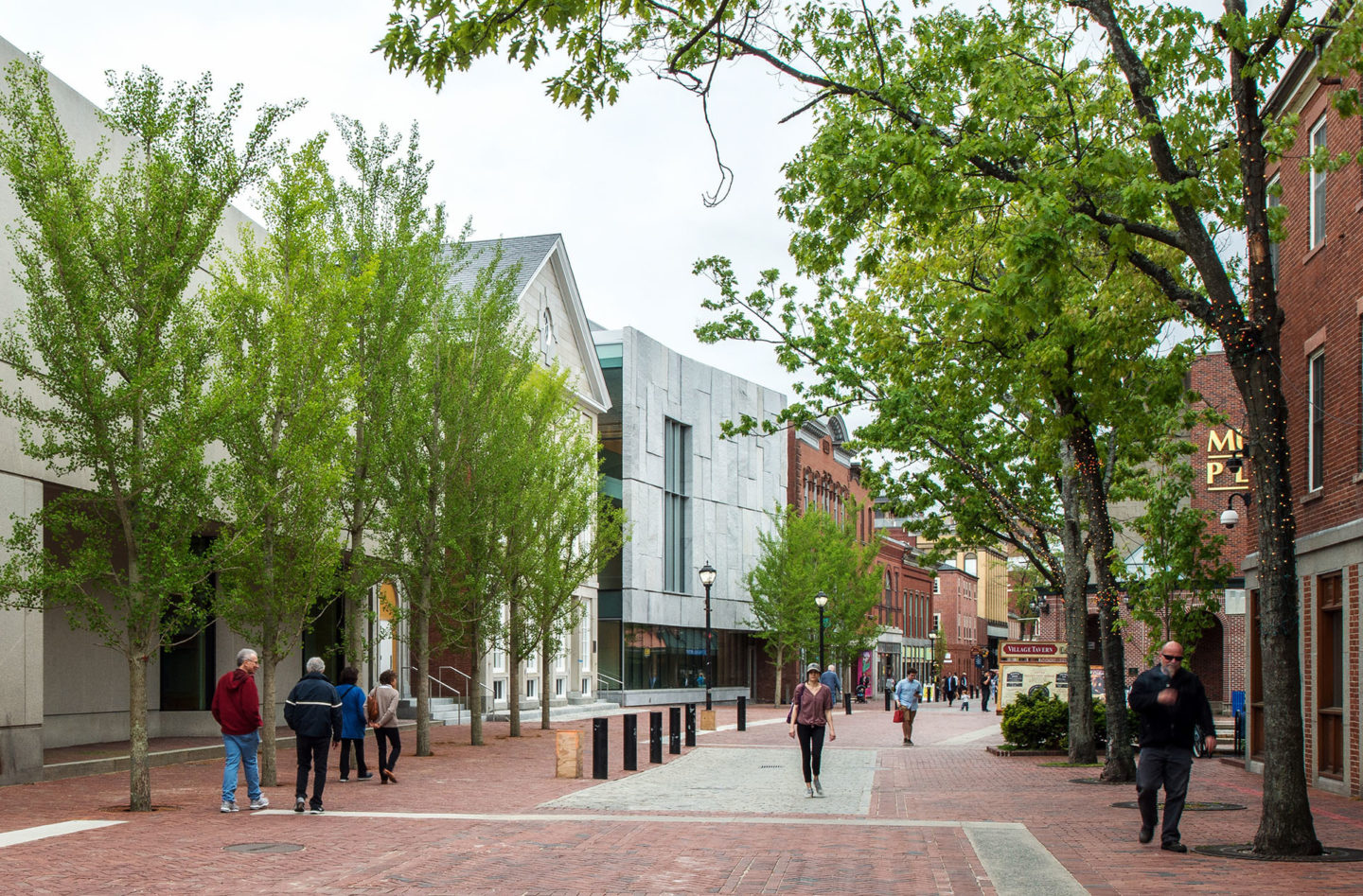
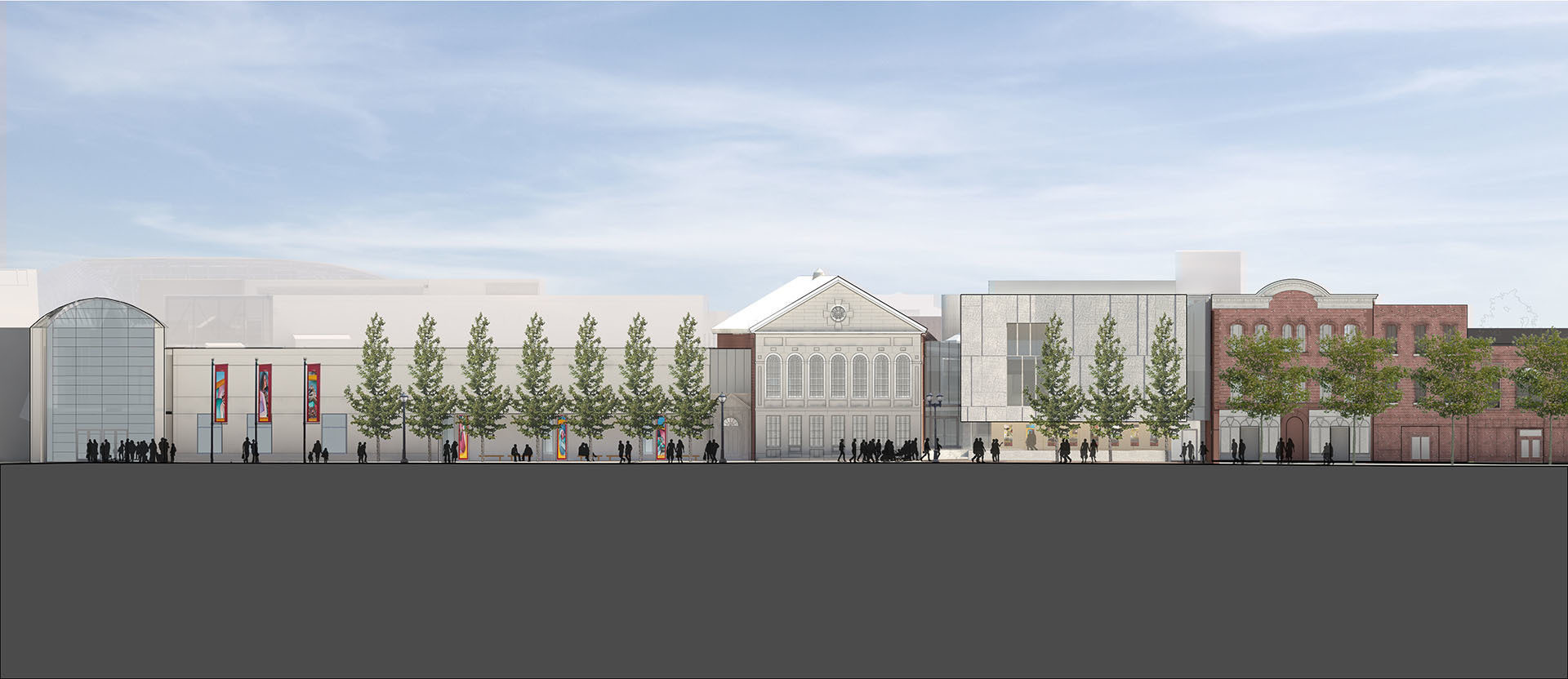
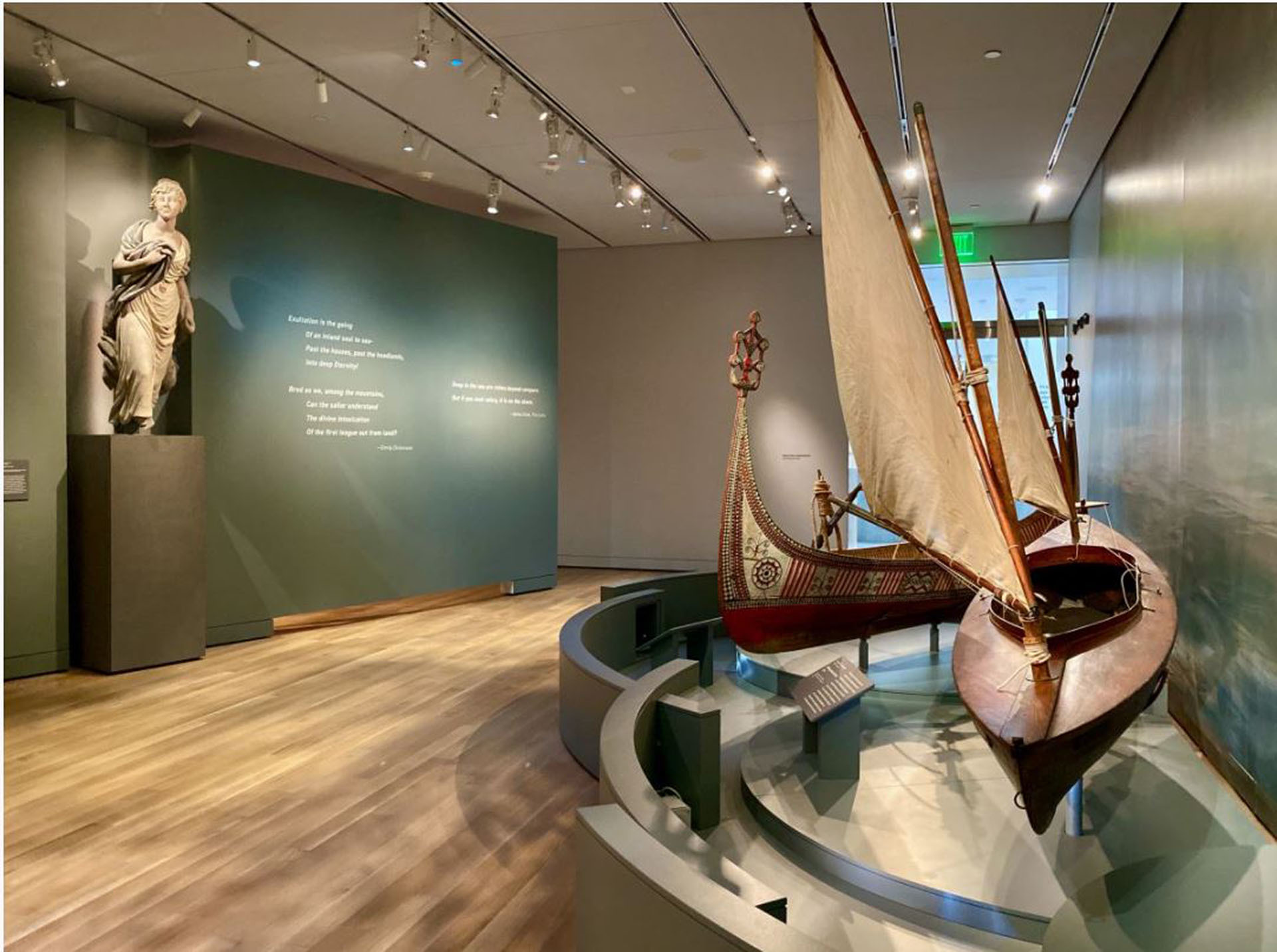
The addition articulates the Peabody Essex Museum’s mission of linking past, present and future by stitching the existing, historic museum campus together with new state-of-the-art galleries to display its extensive local and international art collection.
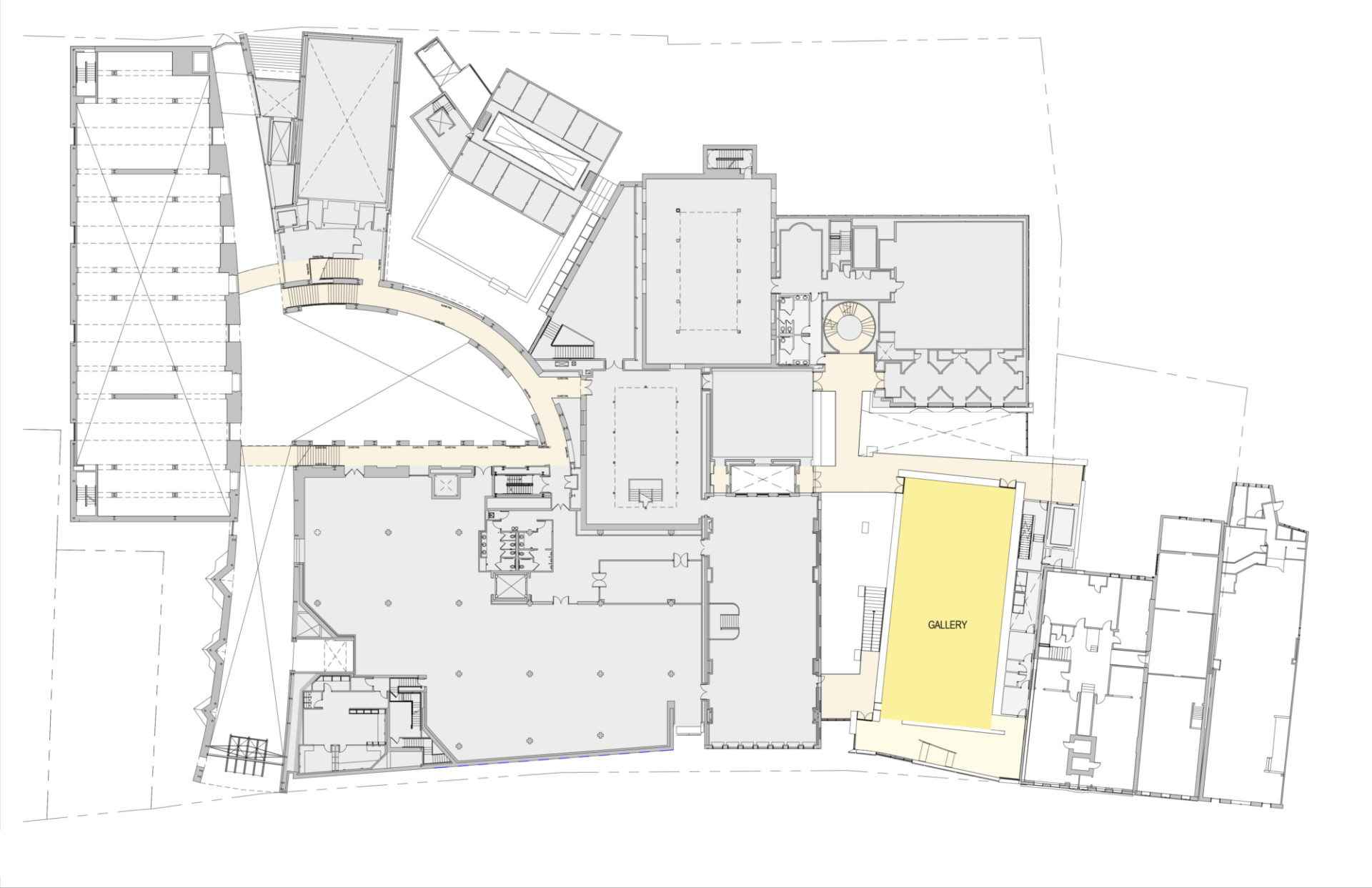
Designed to clarify and strengthen the Museum’s current programming, the new wing will enhance the older sections of the museum while providing new gallery spaces dedicated to the presentation of the museum’s extensive collection, creating a new, unified sequence throughout.
Richard Olcott, Design Partner
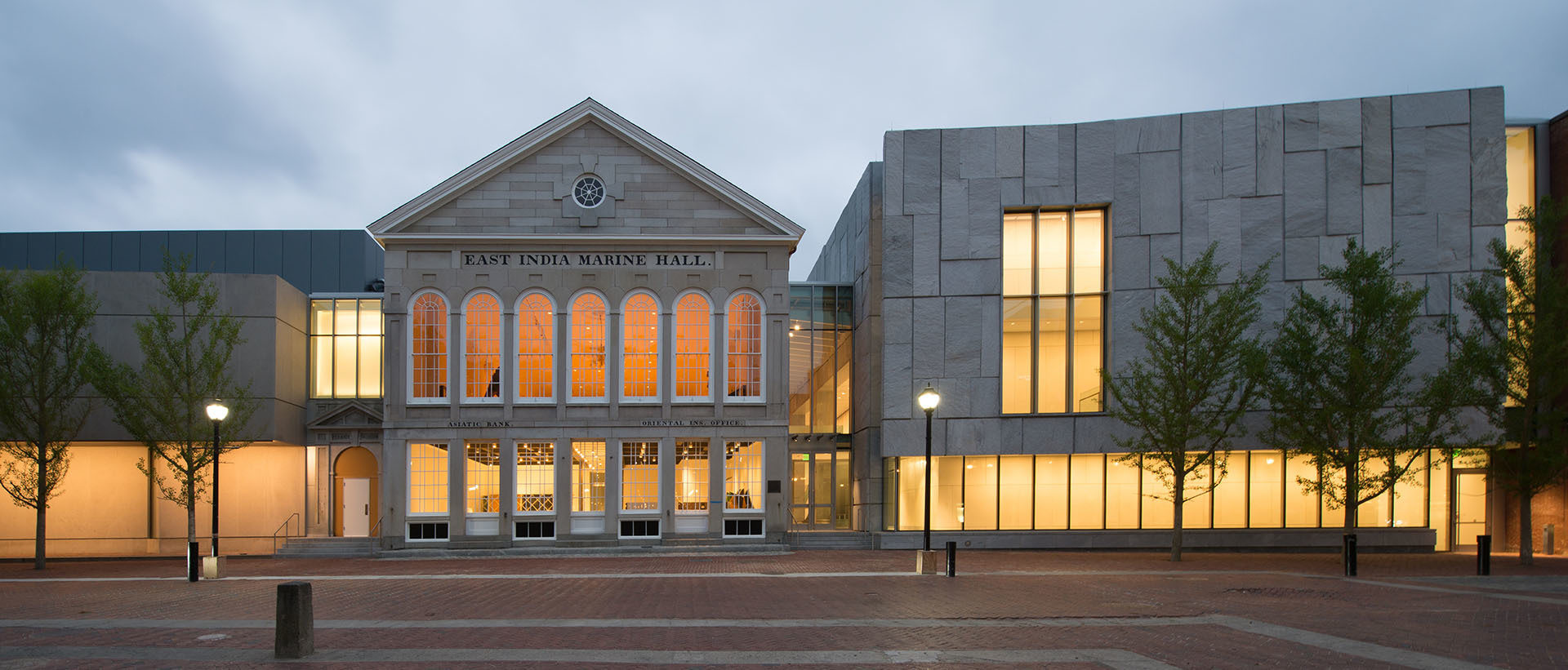
Founded in 1799 as a repository for “curiosities” discovered by the East India Marine Society, the Peabody Essex Museum (PEM) is the nation’s oldest continuously operating museum. The PEM addition pays homage to this history, preserving and incorporating existing historical buildings—including East India Marine Hall, which was the museum’s first building in 1825.
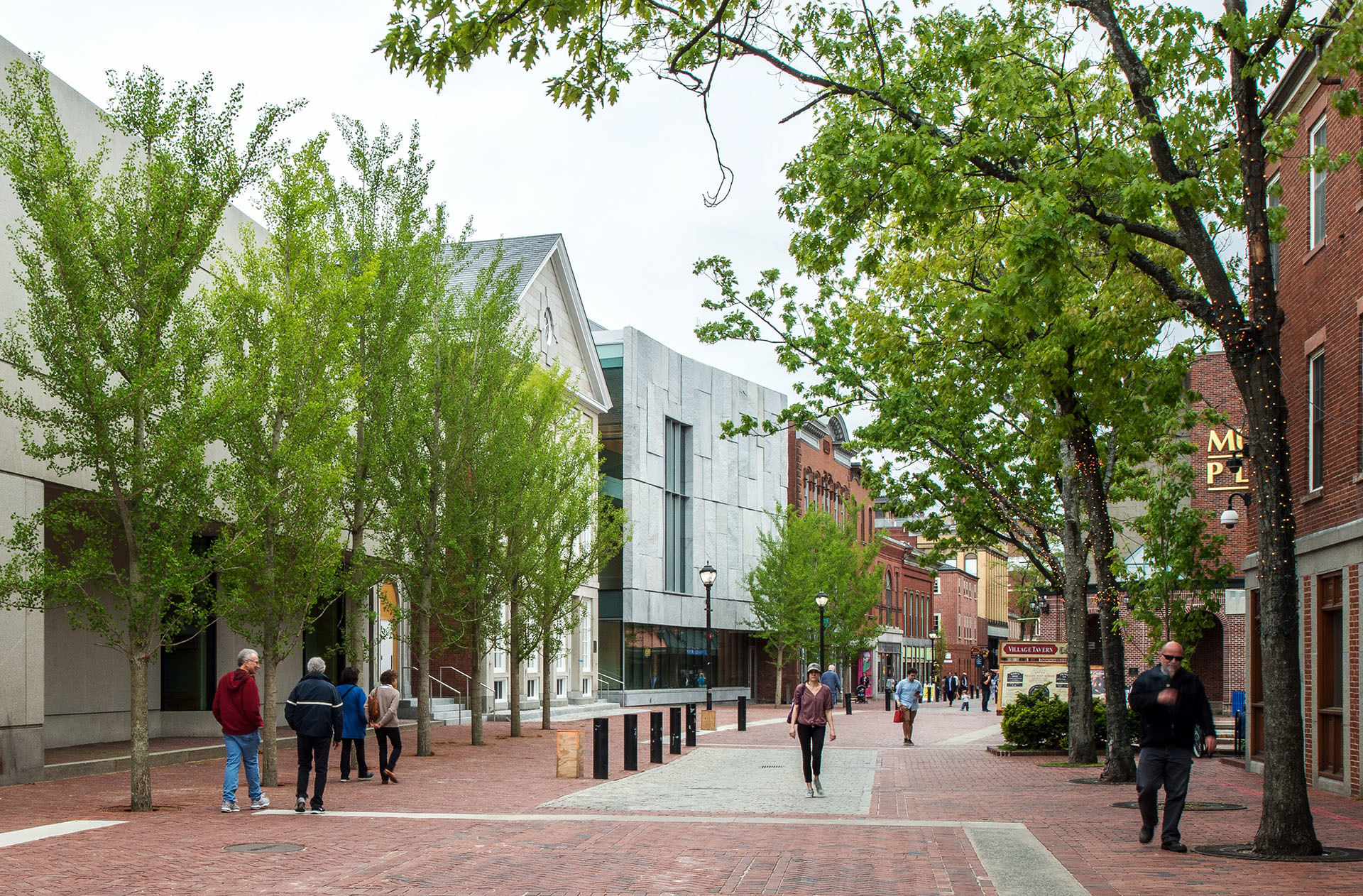
The new PEM addition enlivens Salem’s downtown cultural circuit, activating a formerly underutilized public plaza that doubles as an inviting approach to the museum and a public gathering space for Salem residents and visitors alike. The addition presents a cohesive architectural narrative of the past, present and future of the museum, foregrounded by an updated, seamless streetscape.
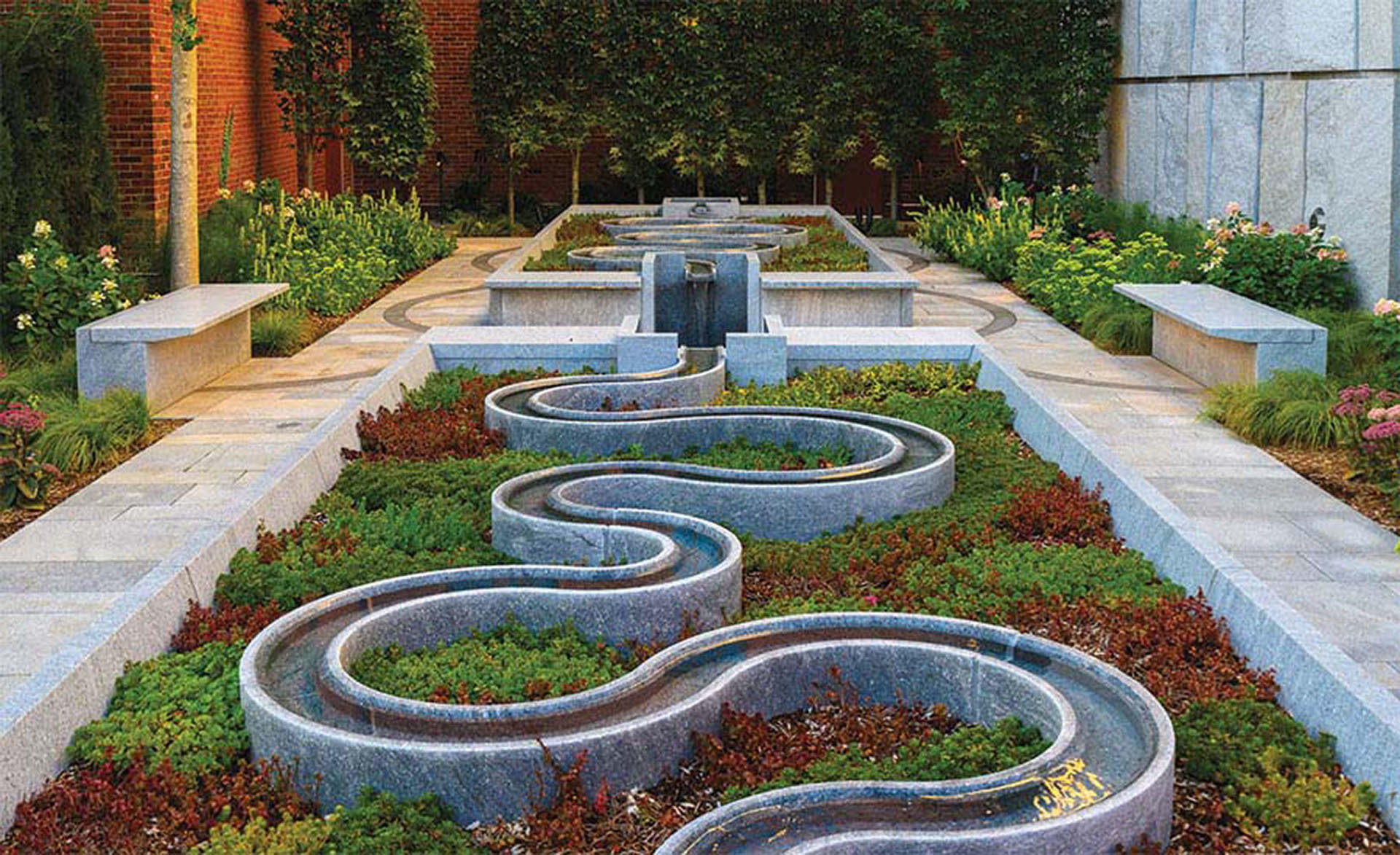
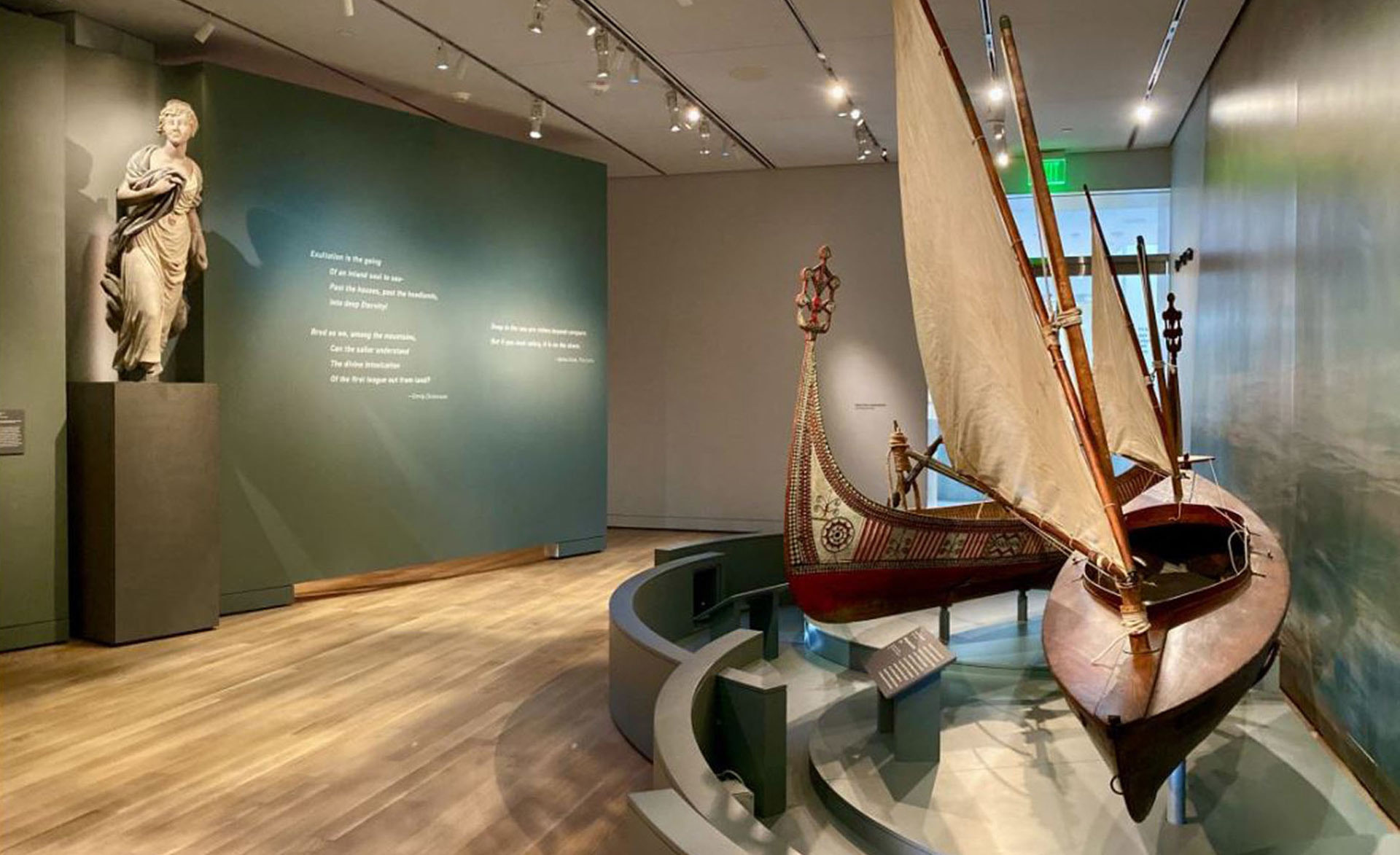
The addition provides 40,000 GSF to the main Peabody Essex Museum facility, including 18,000 GSF of new Class A gallery space, an innovative multi-use atrium and improved circulation paths for the entire museum, and a lush new garden at grade level.
At PEM we push the envelope and never rest on our laurels. Our expansion project gives us an exciting opportunity to reinvent our museum, creating team-based approaches to inquiry, concepting, interpretation and design.
Lynda Roscoe Hartigan, Peabody Essex Museum James B. and Mary Lou Hawkes Deputy Director
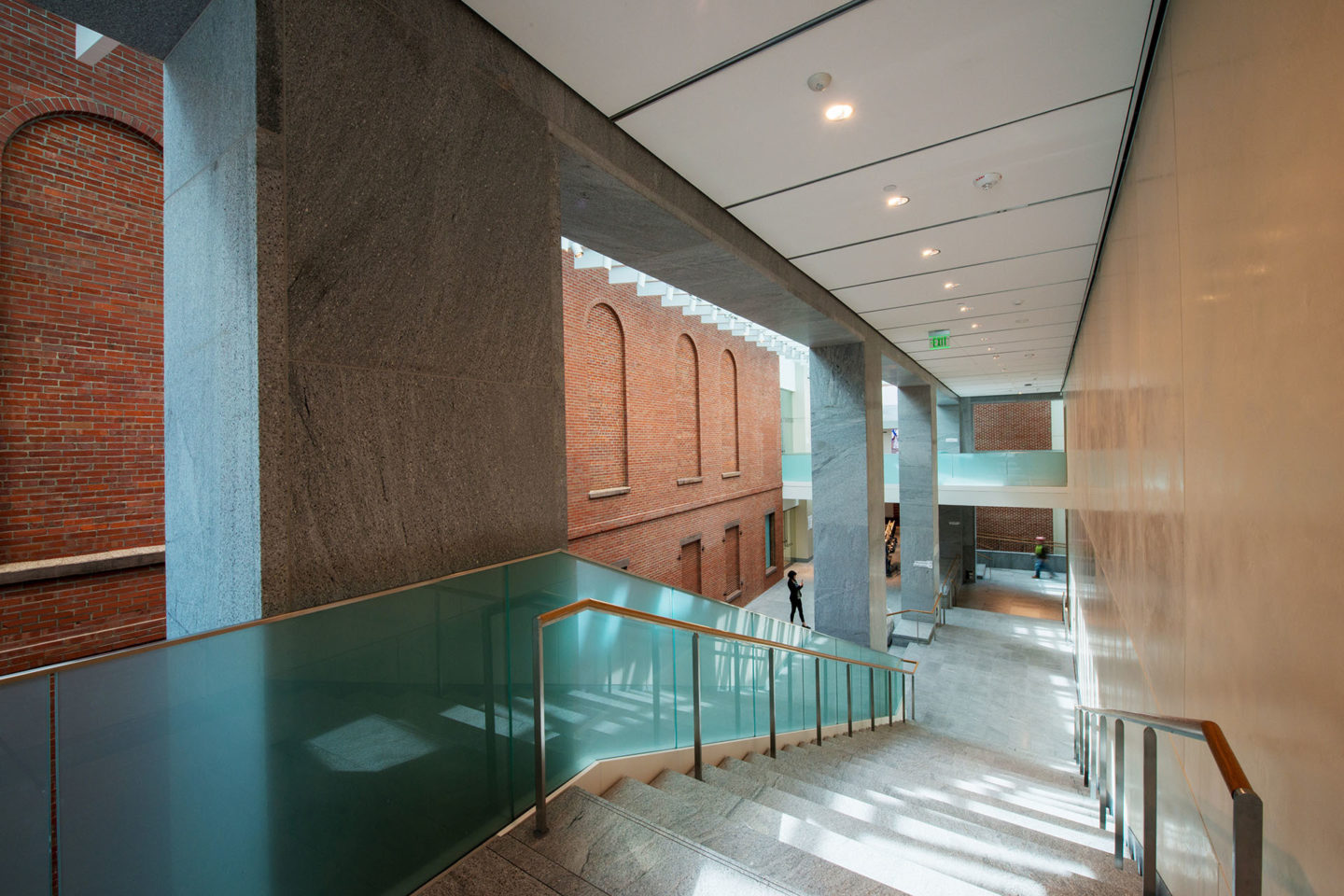
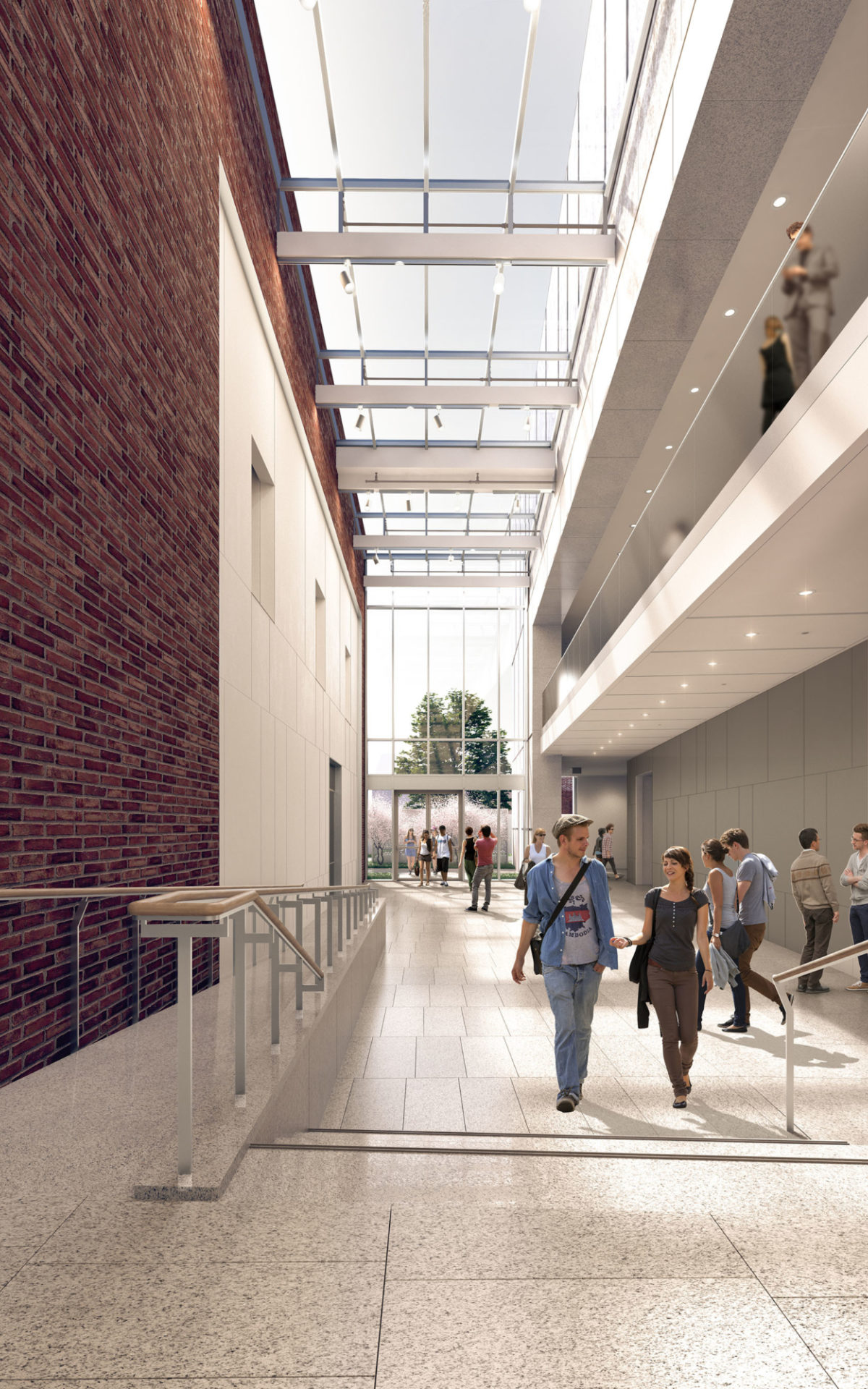
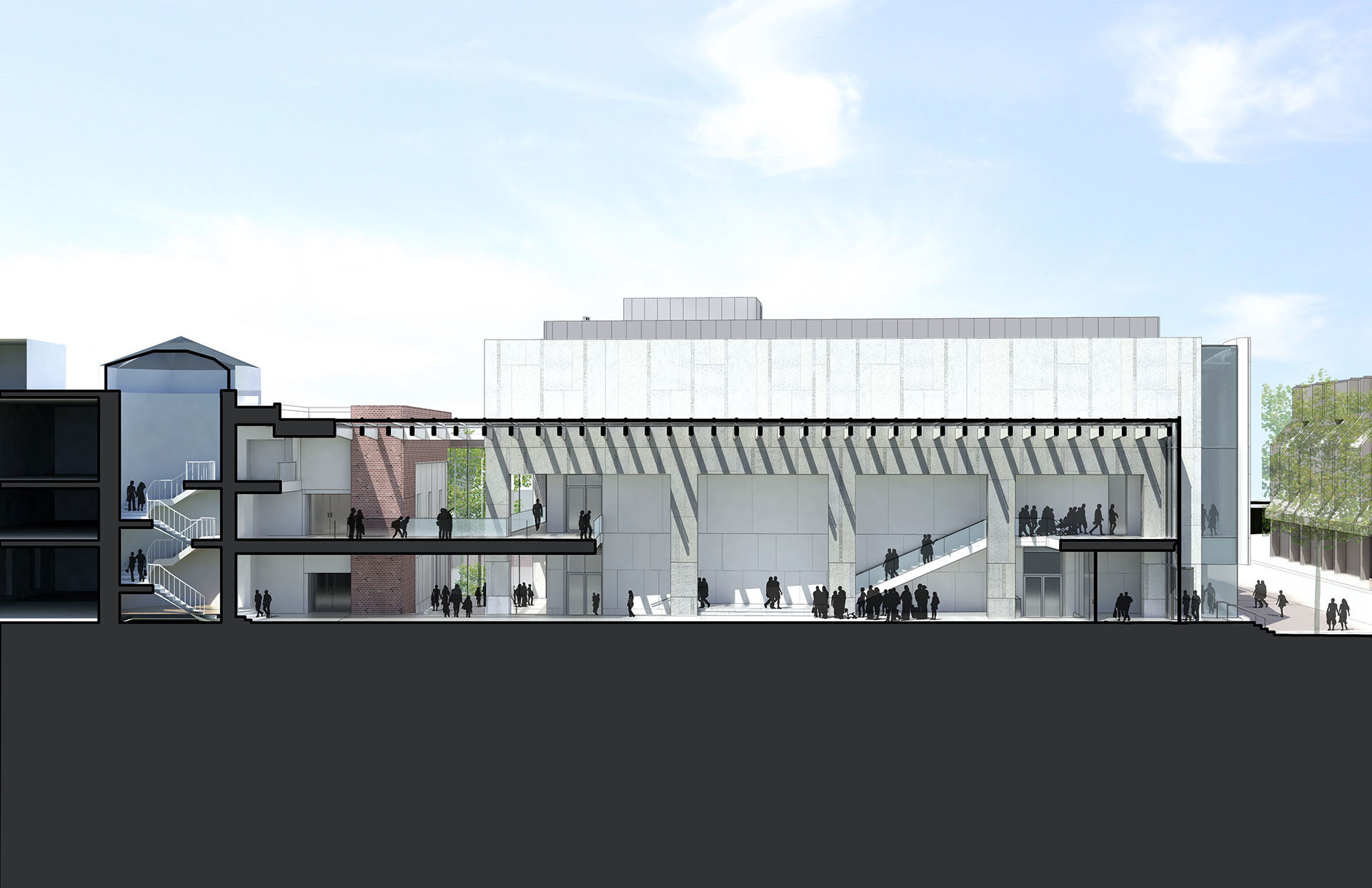
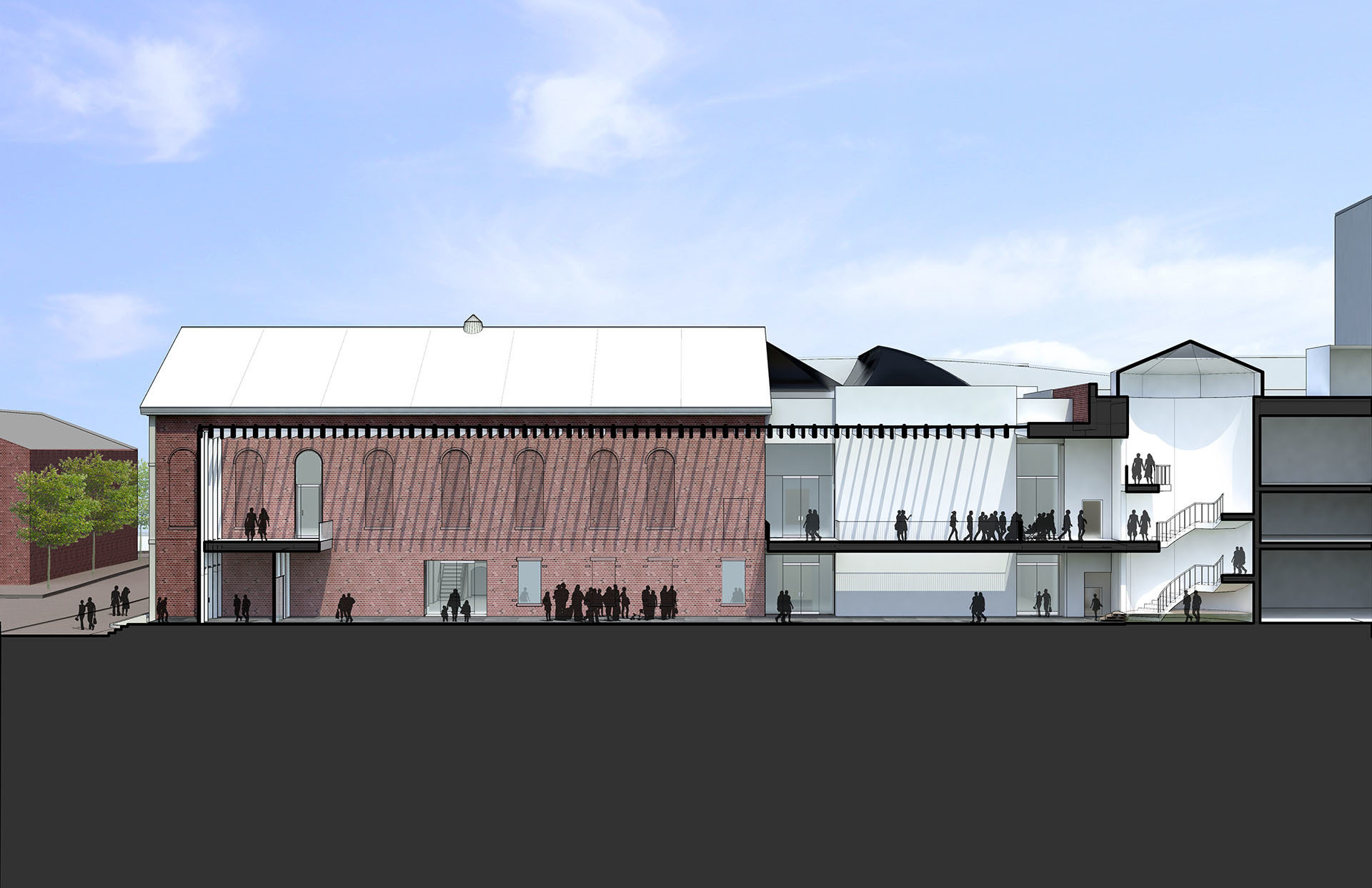
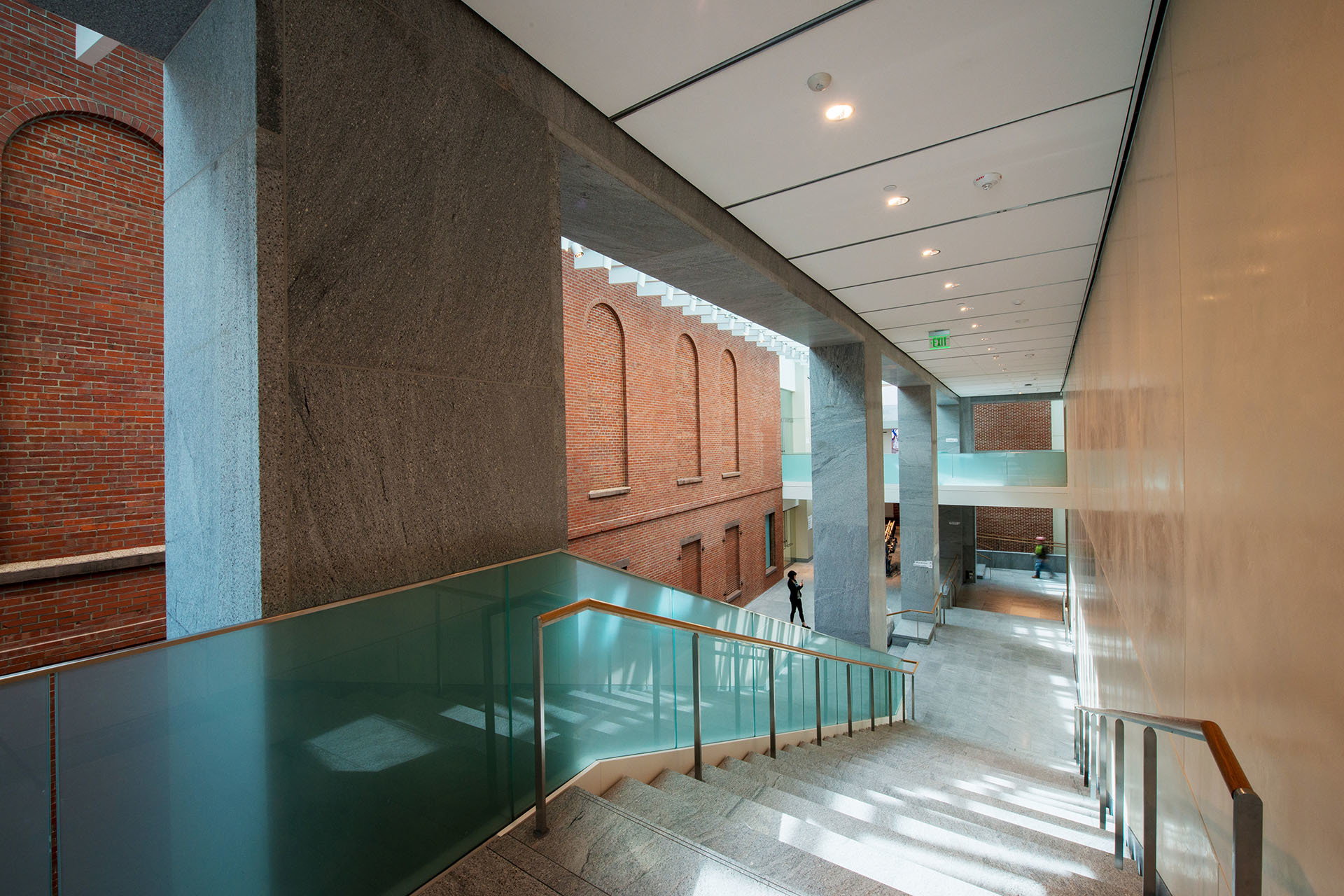
Connecting the addition to the existing museum, the bright glass atrium serves as an interior “street” within the whole. The atrium incorporates the exposed brick of the historic East India Marine Hall building, affirming the distinct identities of the component buildings, while also creating a coherent interstitial space. Bridges across the second level physically and visually connect the space. The new atrium works in concert with the existing ‘Liberty’ atrium to guide visitors through the galleries. The light filled atrium and the adjacent new garden act as a respite space for visitors in their experience through the museum.
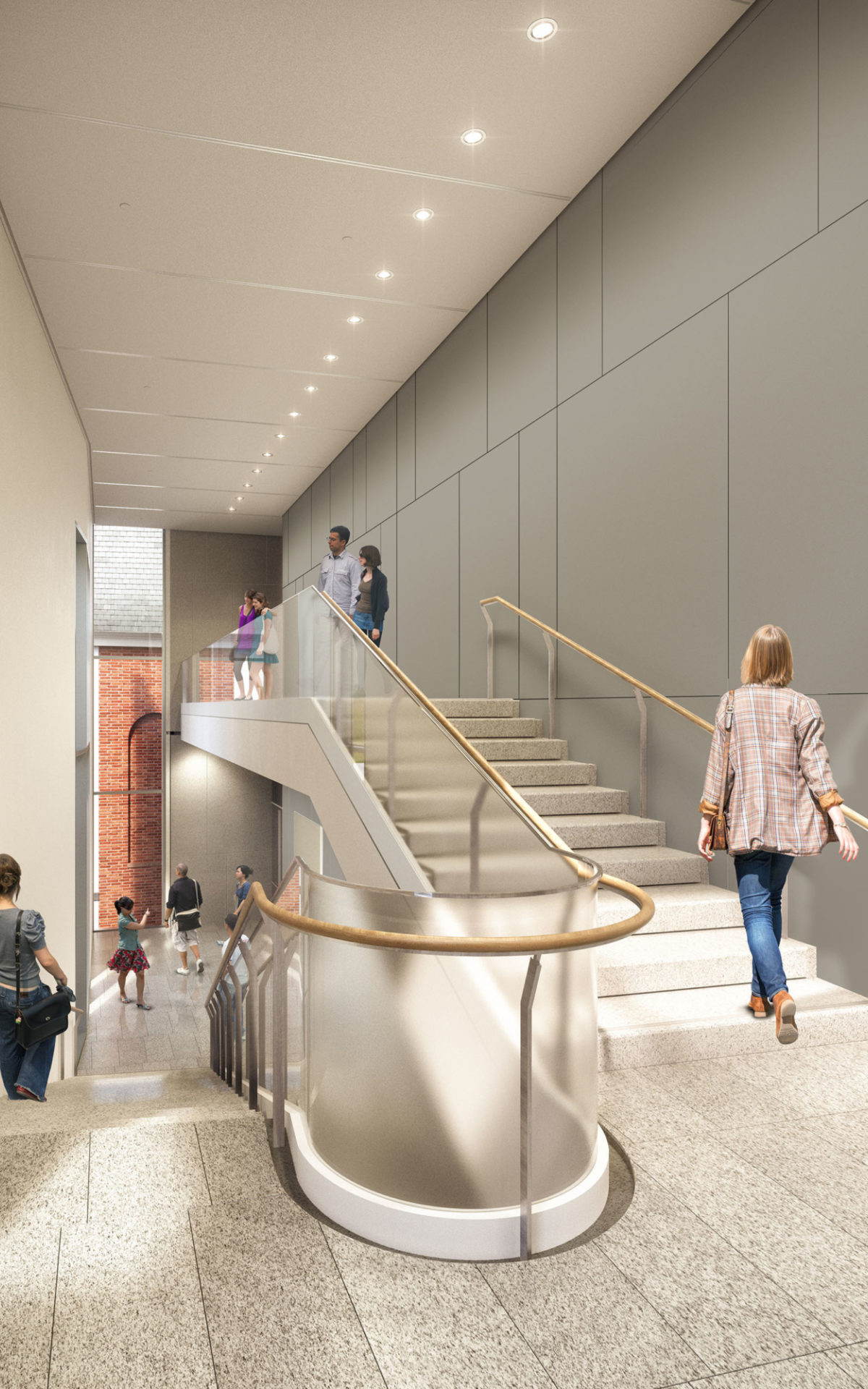
A grand stair at the north end of the atrium connects the top two galleries, allowing the area to be customized for a contiguous exhibition spanning multiple floors. The acoustics of the double-height atrium are optimized for a variety of uses, including events, exhibition openings, daily use and its function as a separate entrance for school groups.