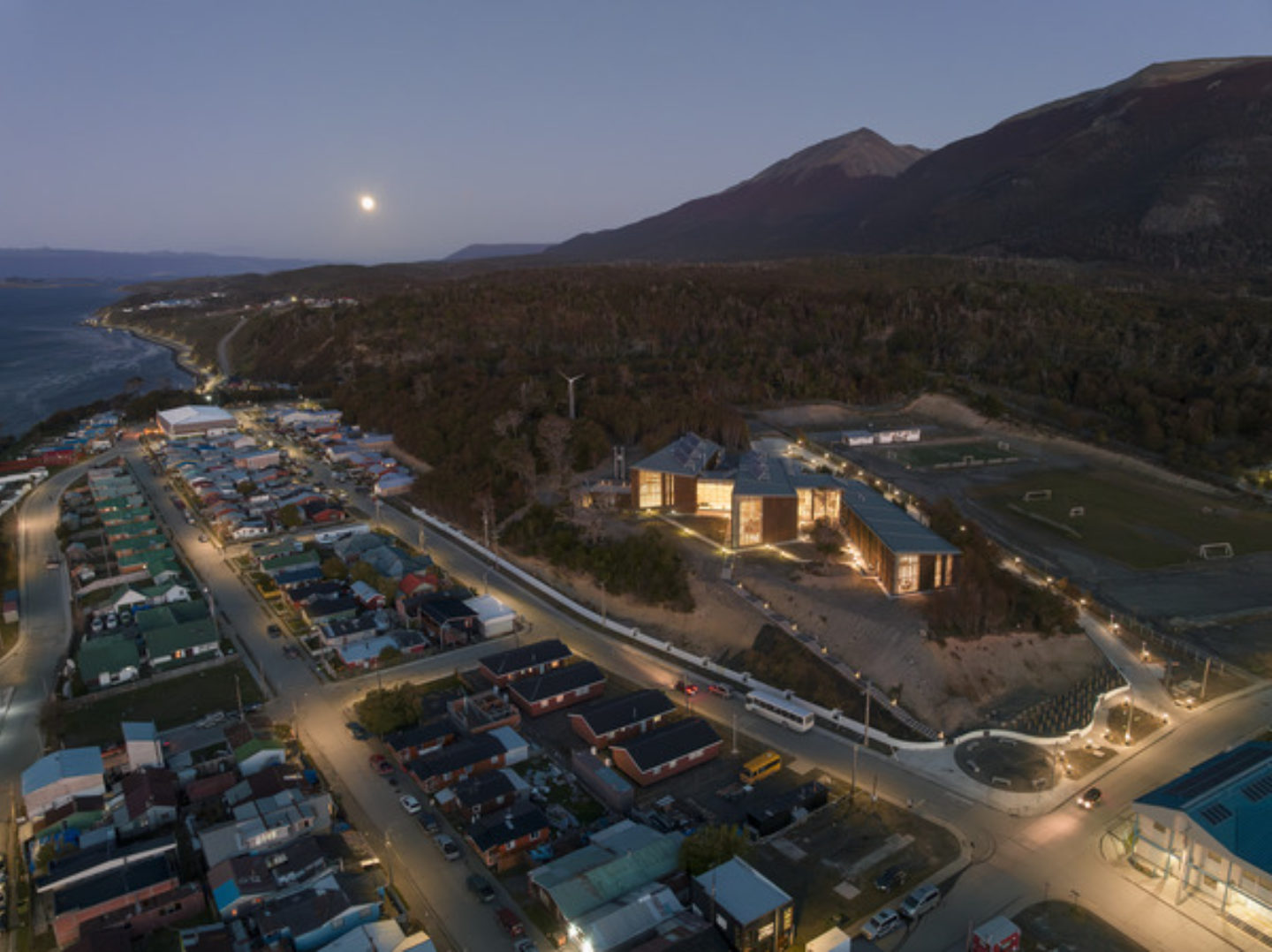
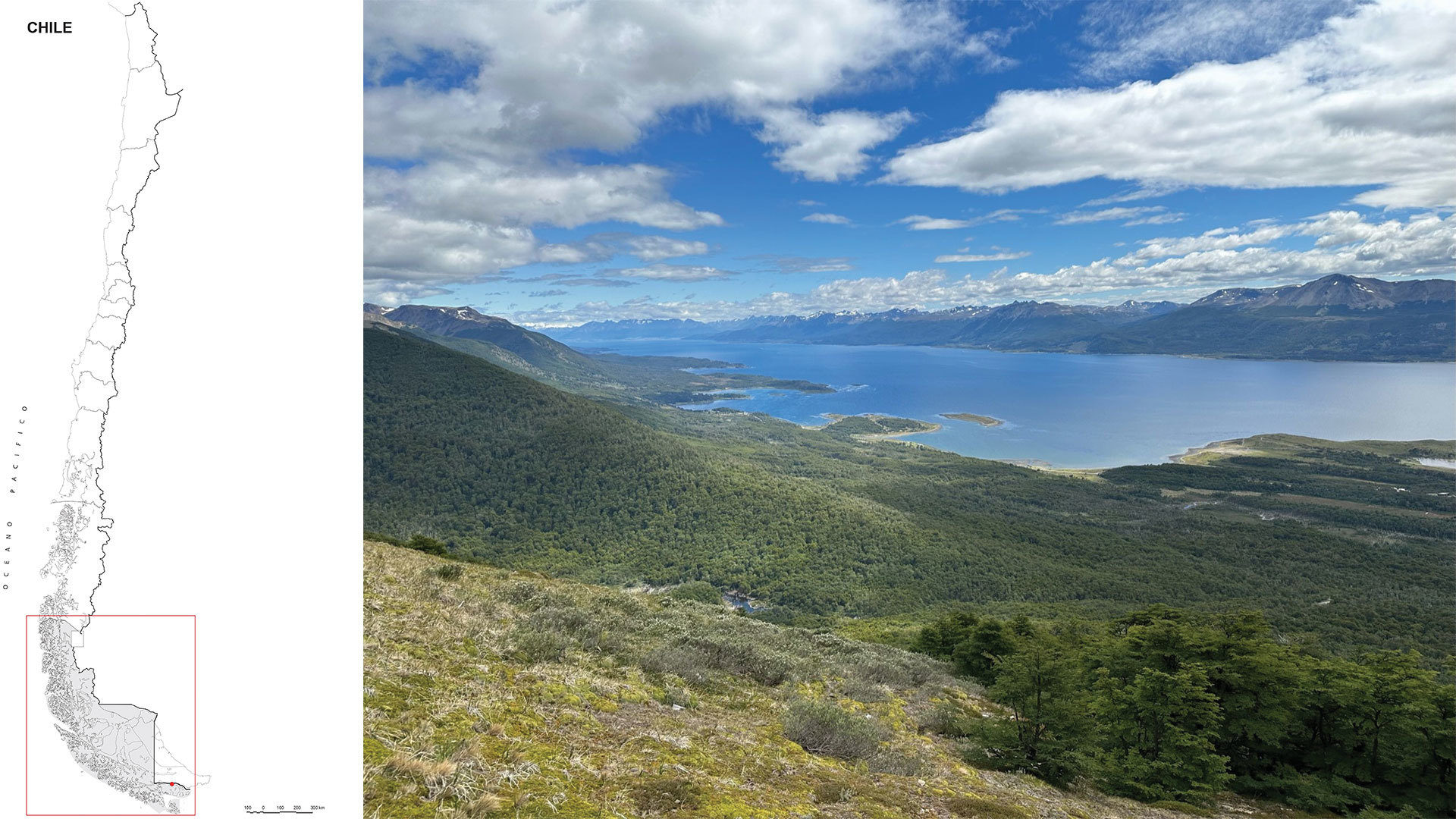
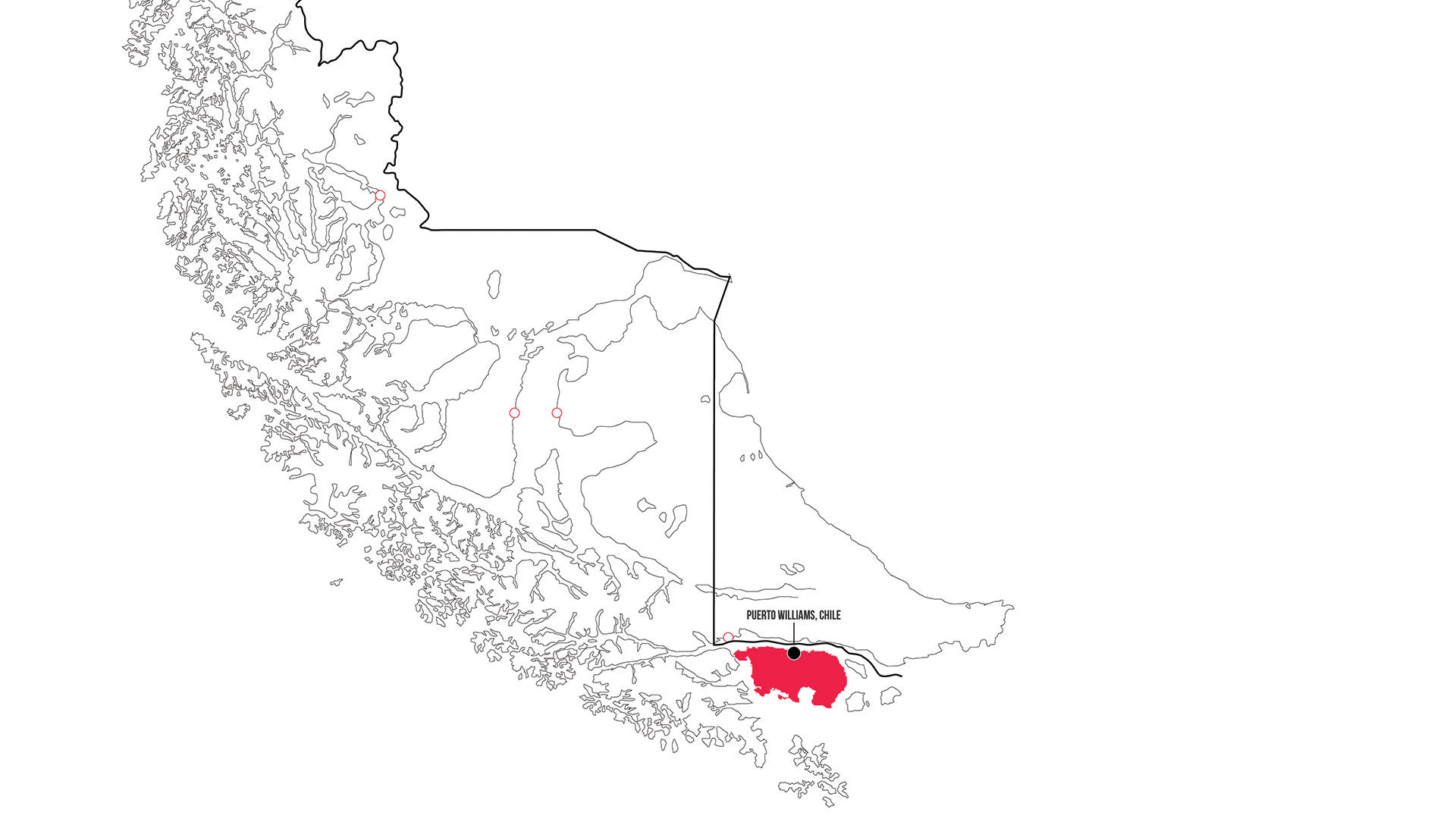
Facing the Beagle Channel on Navarino Island in the Chilean Sub-Antarctic Province and within the UNESCO Cape Horn Biosphere Reserve, this new Research Center creates a forum for the convergence of environmental philosophy and science.
Our intention is to touch this breathtakingly beautiful and delicate landscape lightly, to minimize the Center’s environmental footprint, in terms of natural systems on site, critical common resources such as electricity and potable water, and maintenance over its life-cycle.
Richard Olcott, Design Partner
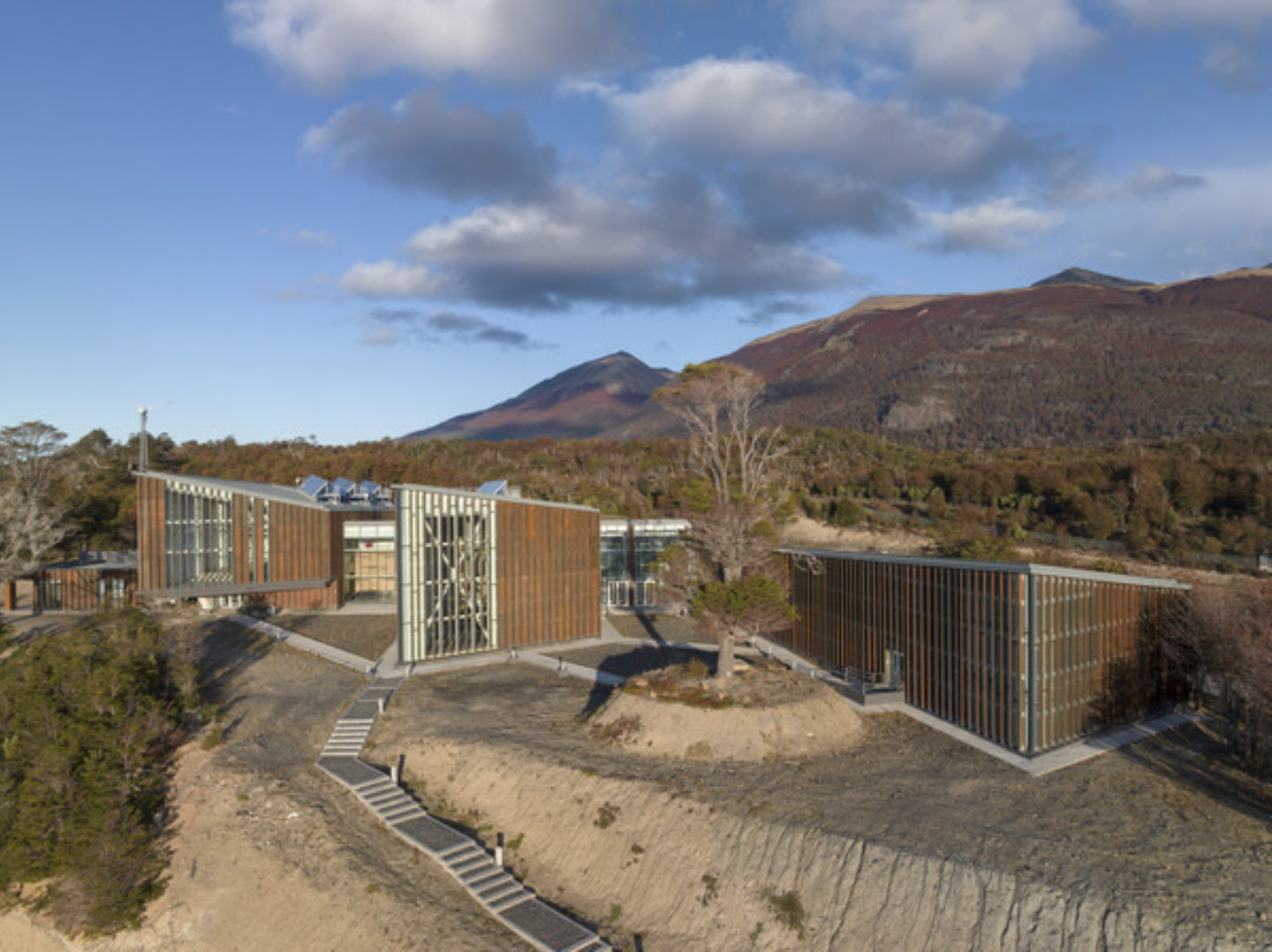
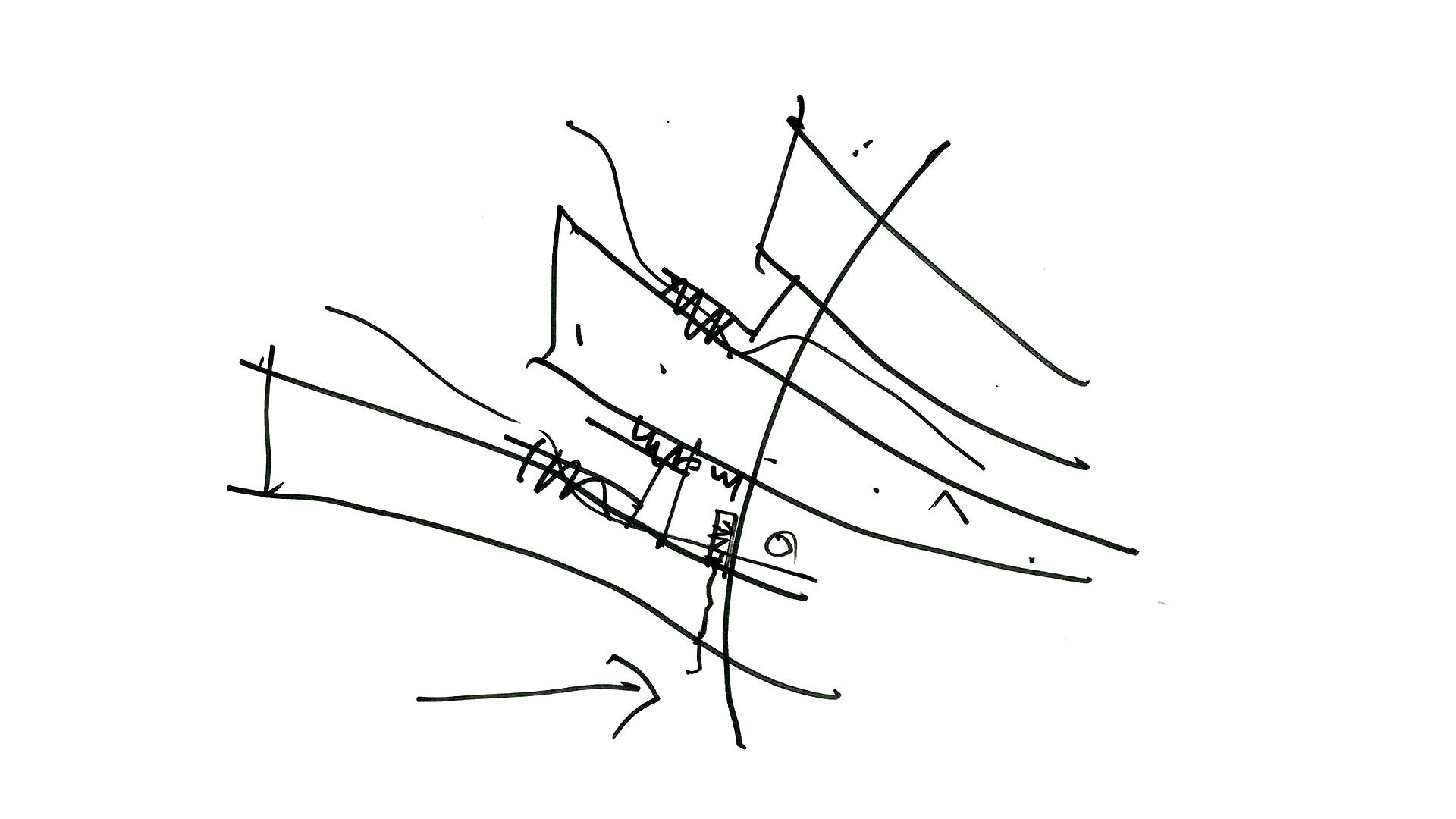
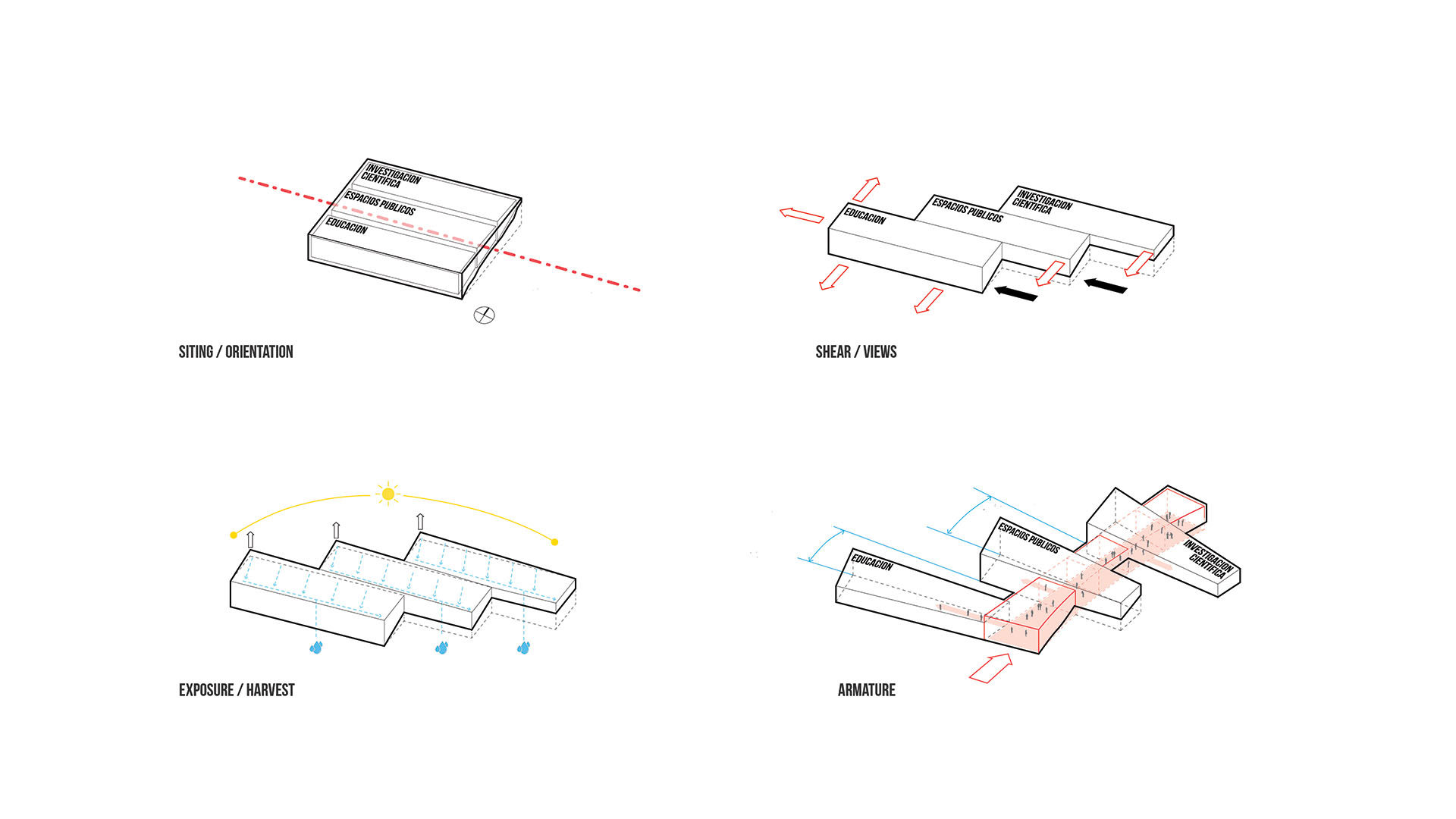
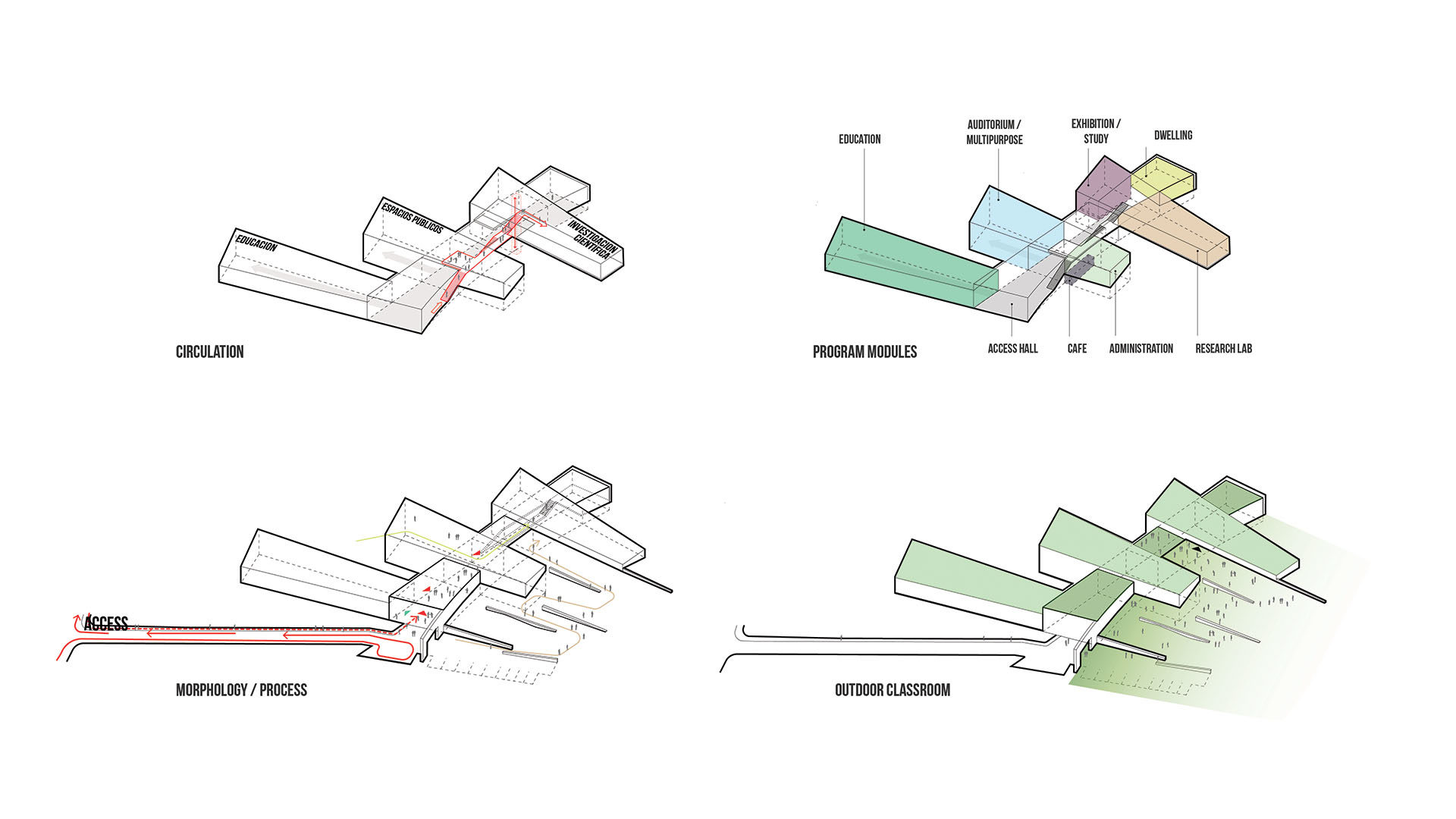
Interdisciplinary, socio-ecological research programs that bring together scientists, intellectuals, artists, indigenous people and the local community to exchange knowledge related to biological and cultural conservation are housed in three pavilions integrated with the local context and landscape and organized along a primary axis oriented for optimum solar exposure and protection from the harsh climate.
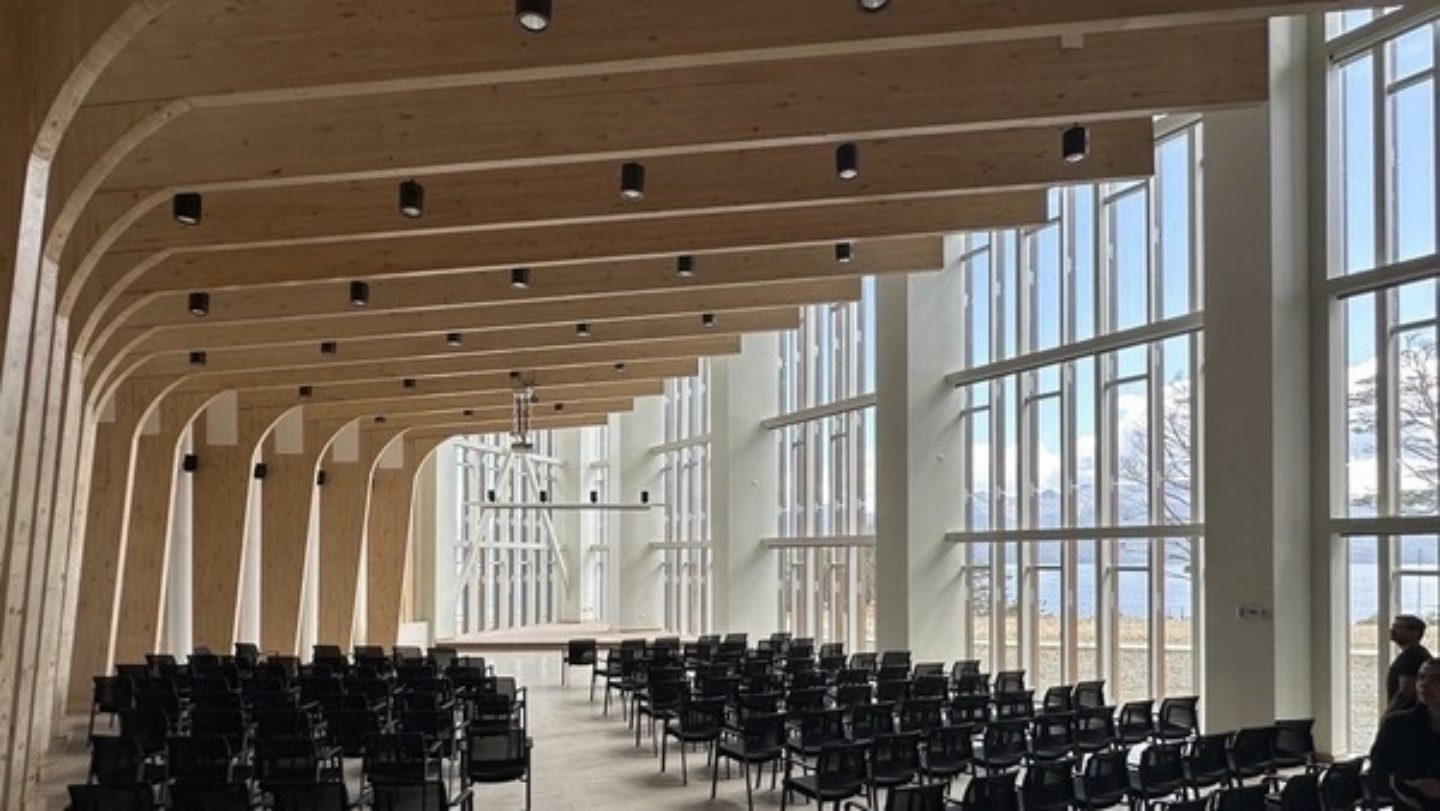
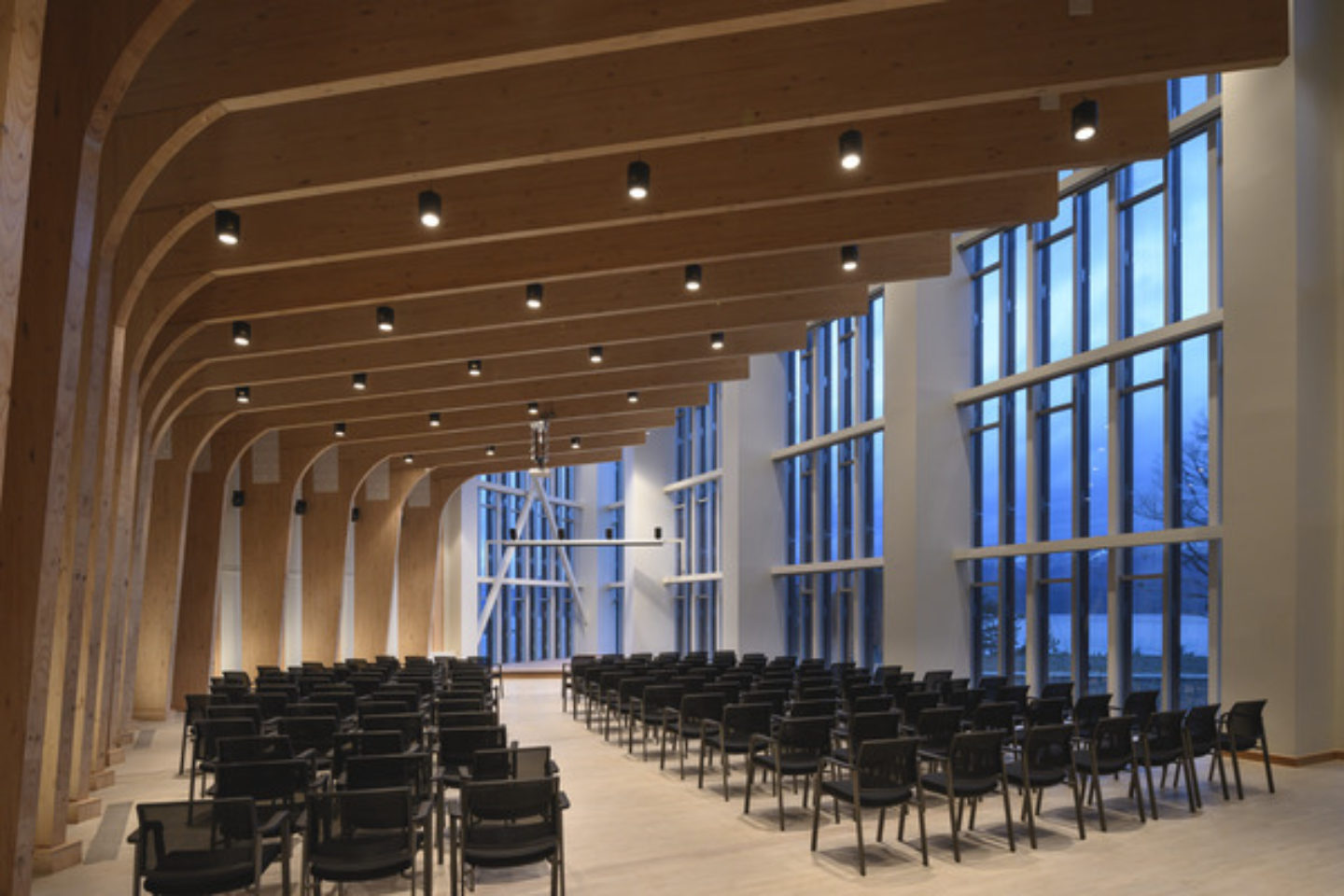
The Southernmost pavilion houses educational spaces for sustainable tourism and biocultural conservation, including classrooms, a library and study spaces. The middle pavilion contains administration offices, a multi-purpose lecture hall and café, and the northernmost pavilion contains exhibition space, research and laboratory facilities for sub-Antarctic transdisciplinary research and two apartments for visiting researchers.
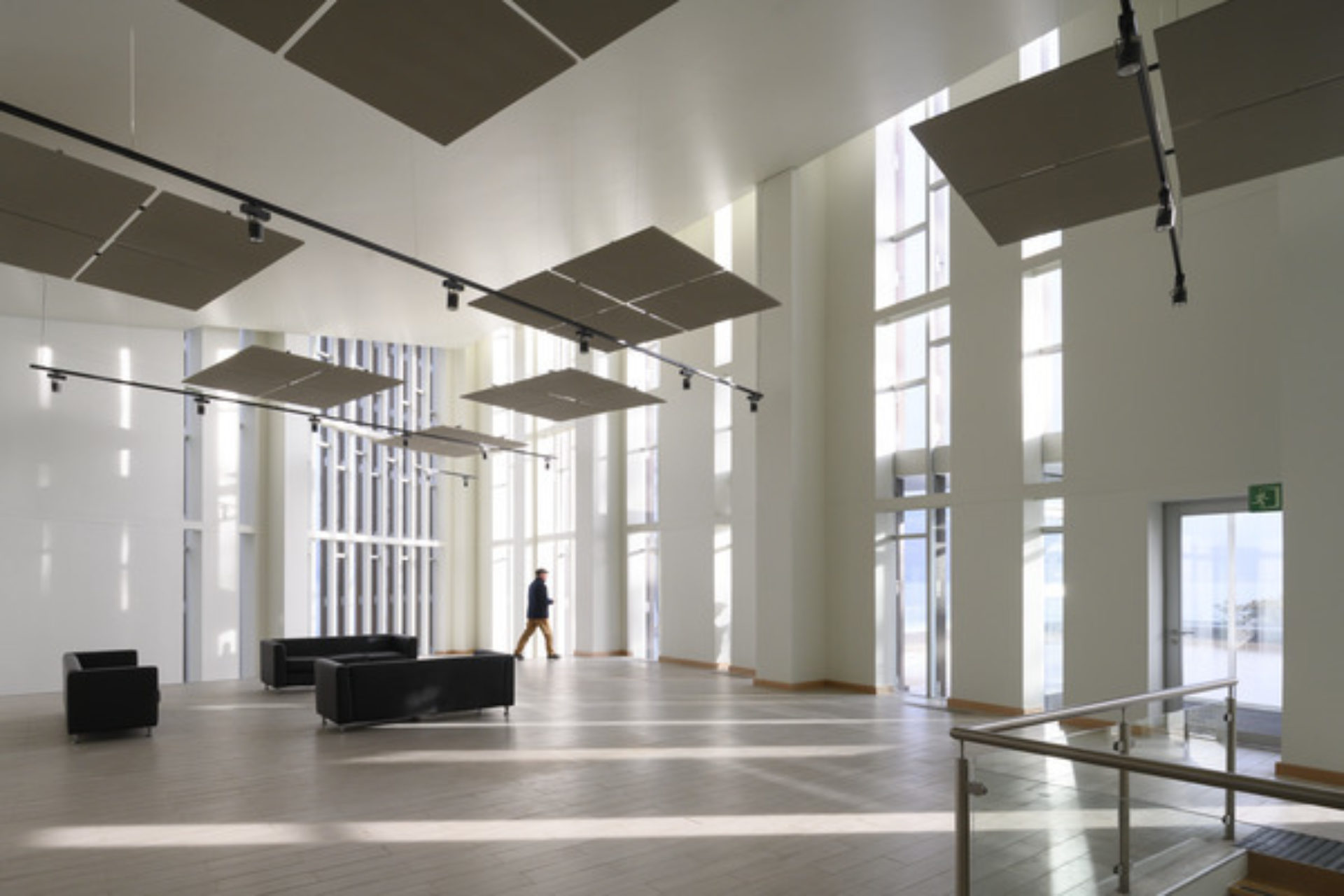
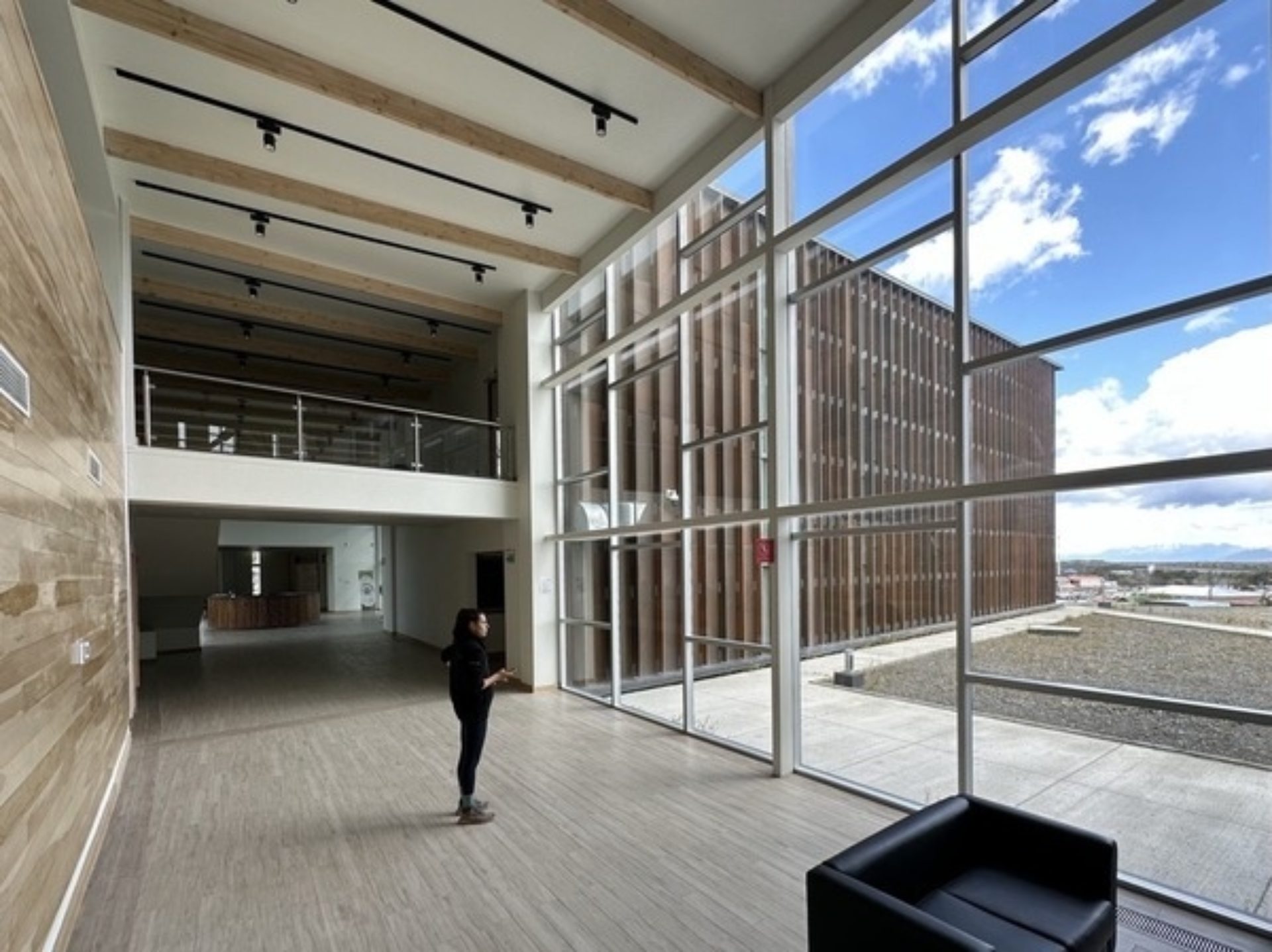
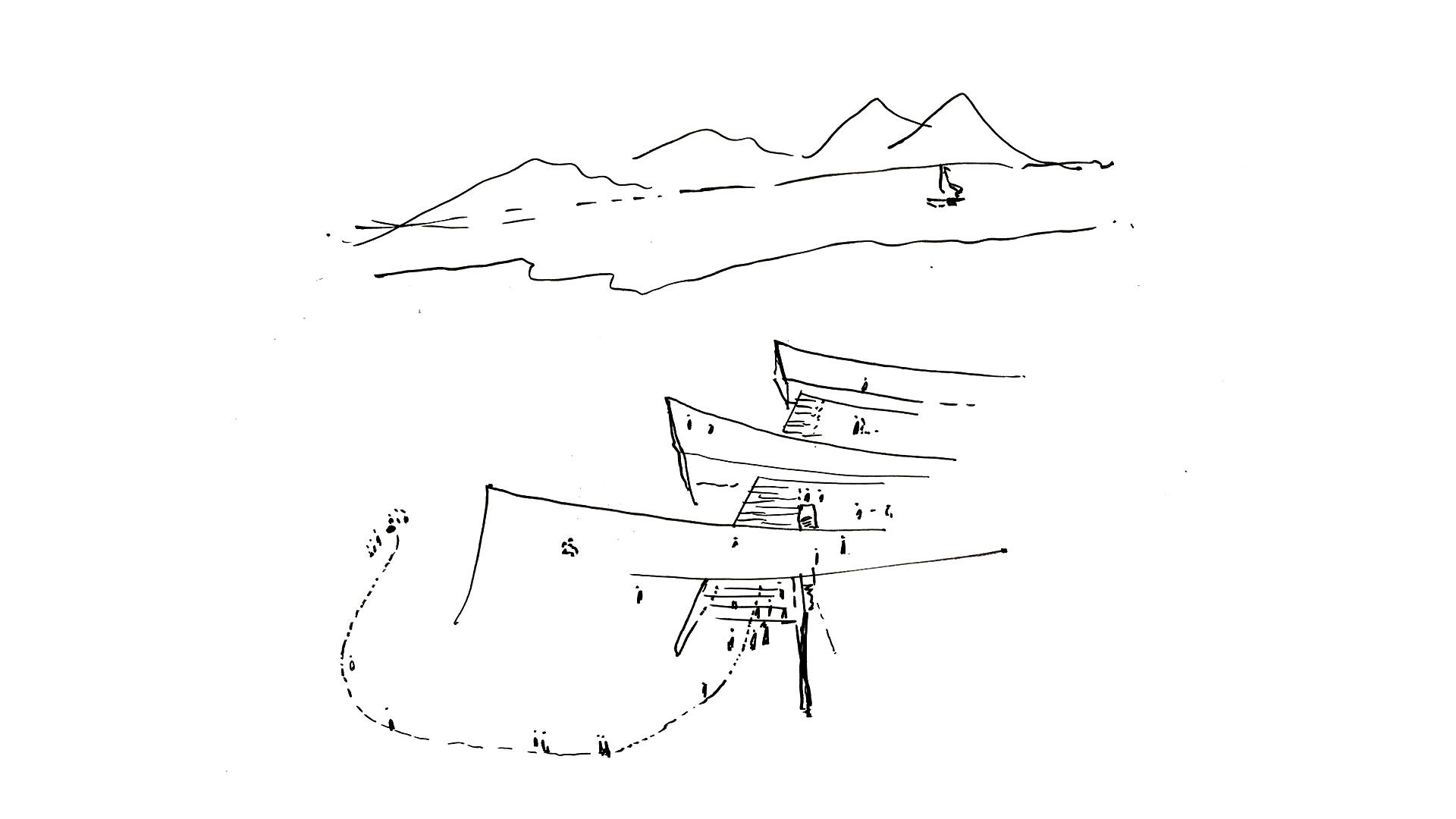
Pavilions are connected by a continuous, transparent public hall that leverages the natural topography of the site by providing access to outdoor classroom environments and the spectacular views of the Beagle Channel, Darwin Mountain Range and Tierra del Fuego.
Habitable green roofs provide living classrooms, extend the wildlife habitat potential, provide storm water management for the site and assist in the collection and storage of rainwater for re-use. Passive design strategies, such as solar exposure calibration and thermal mass, create comfortable indoor environments.