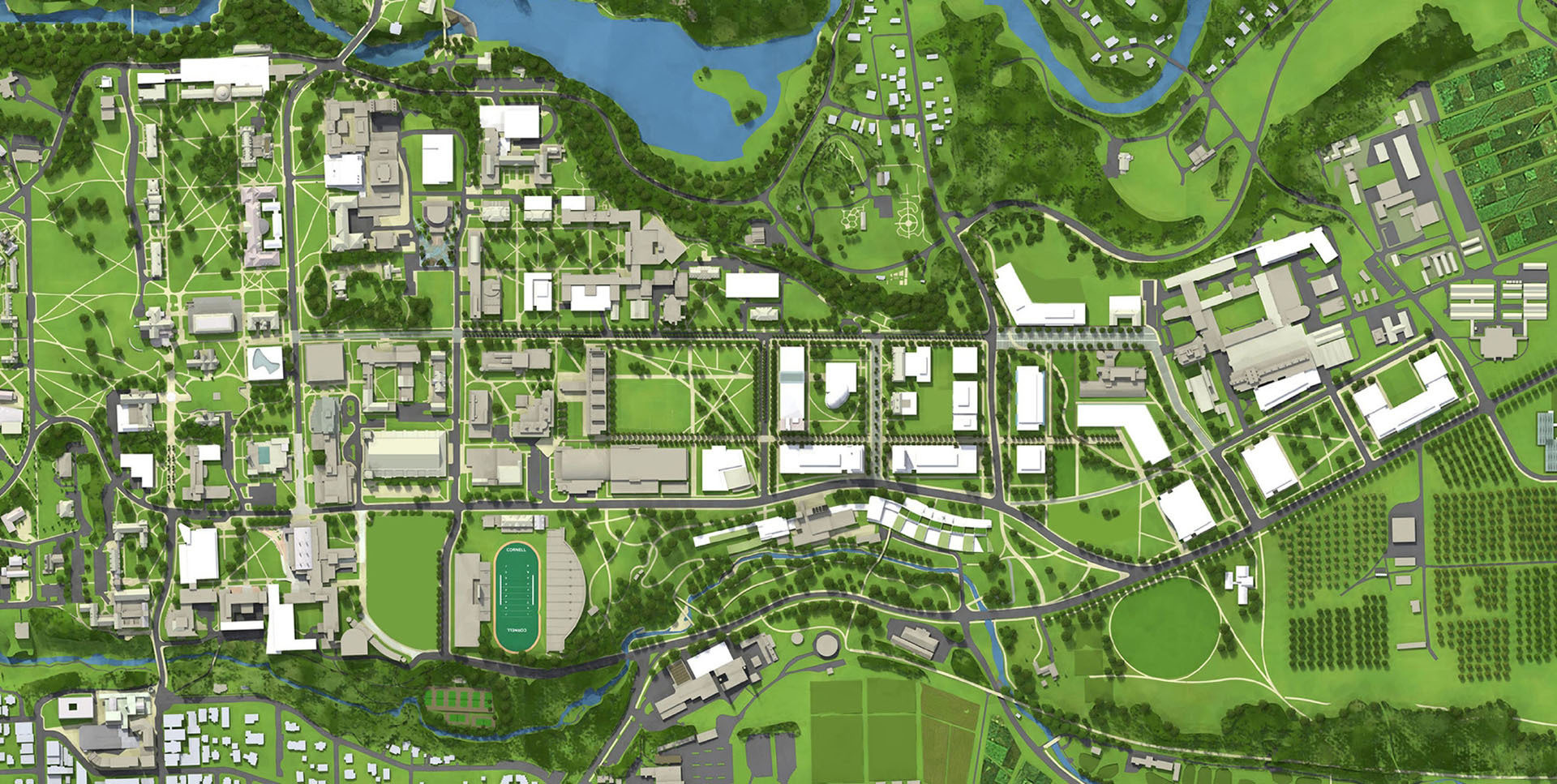
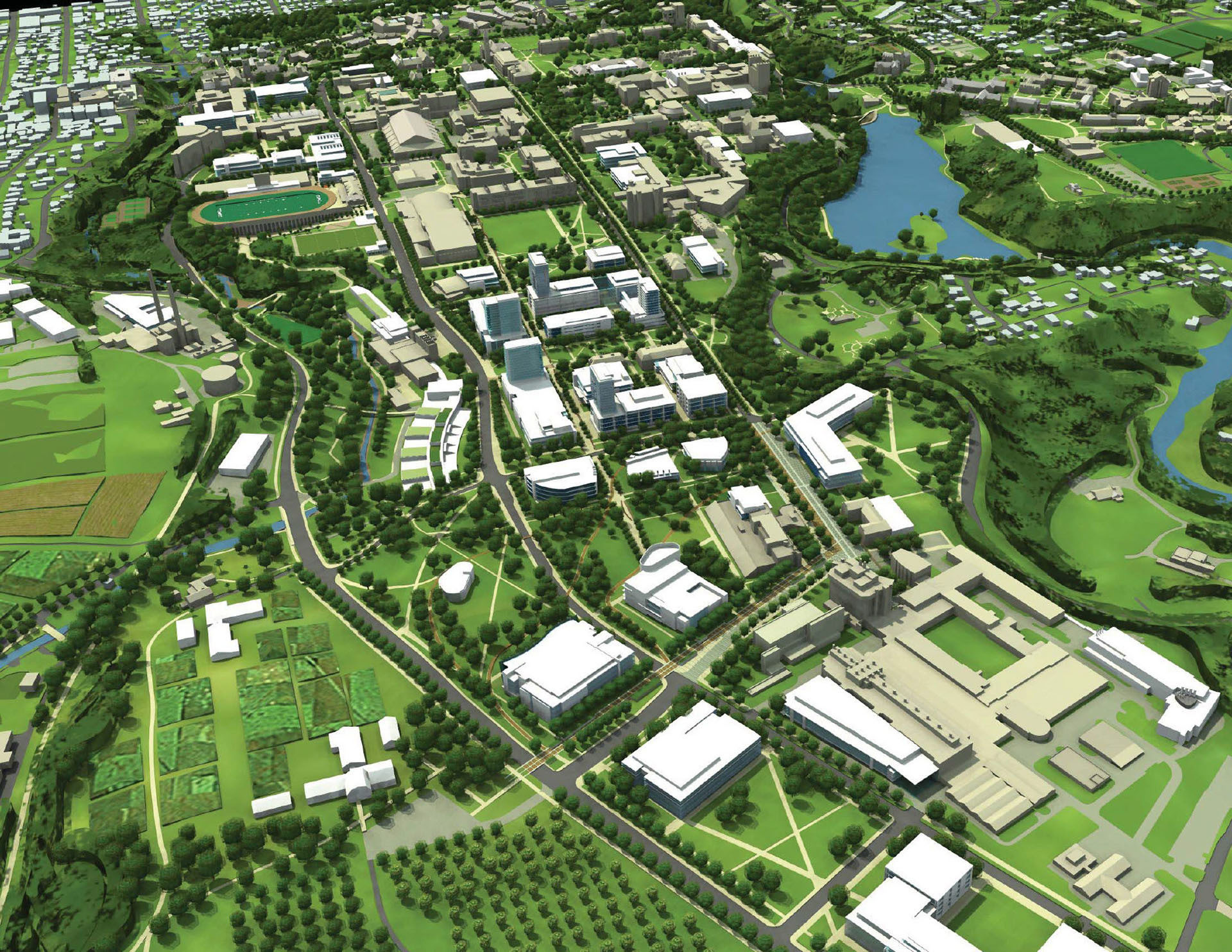
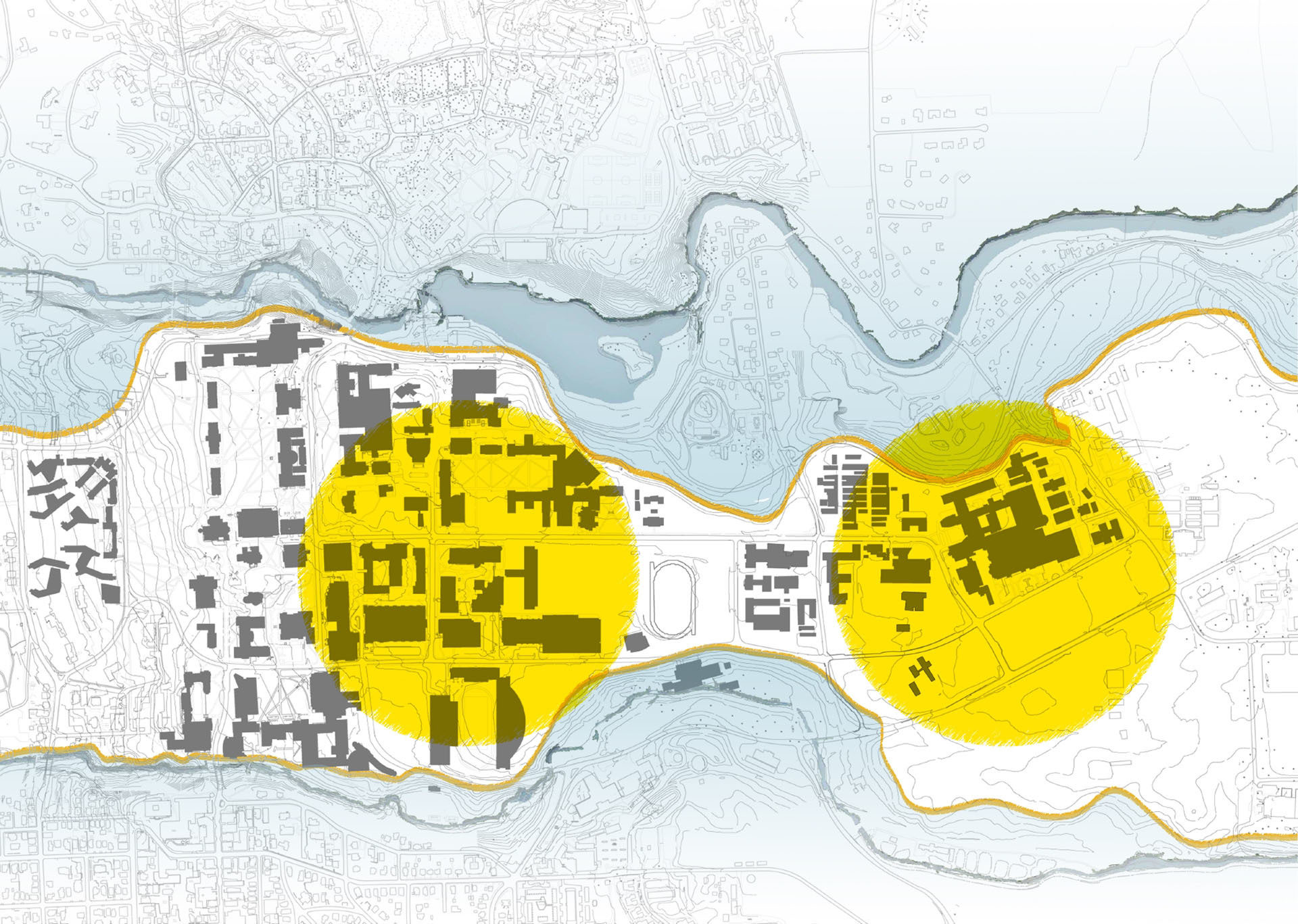
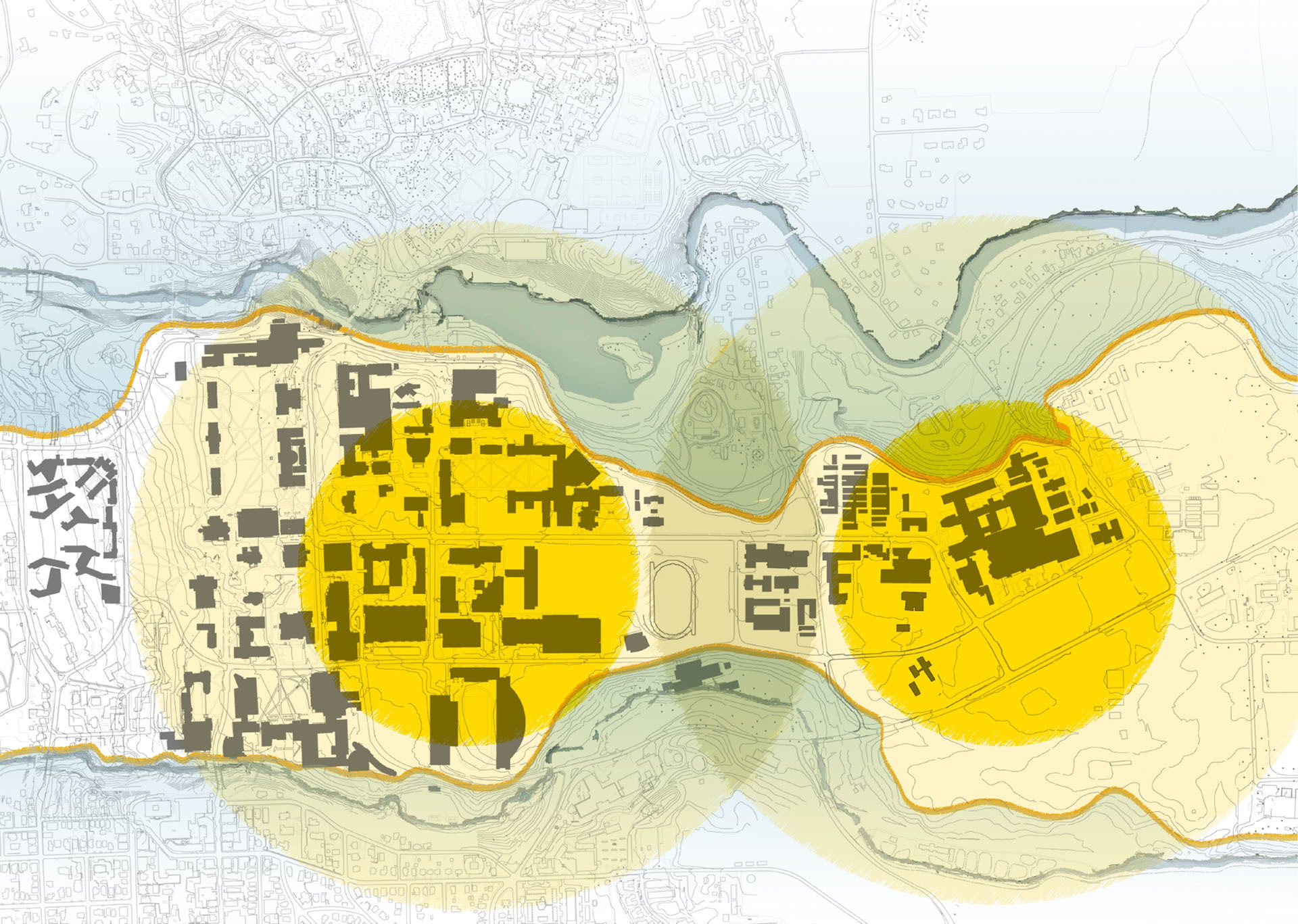
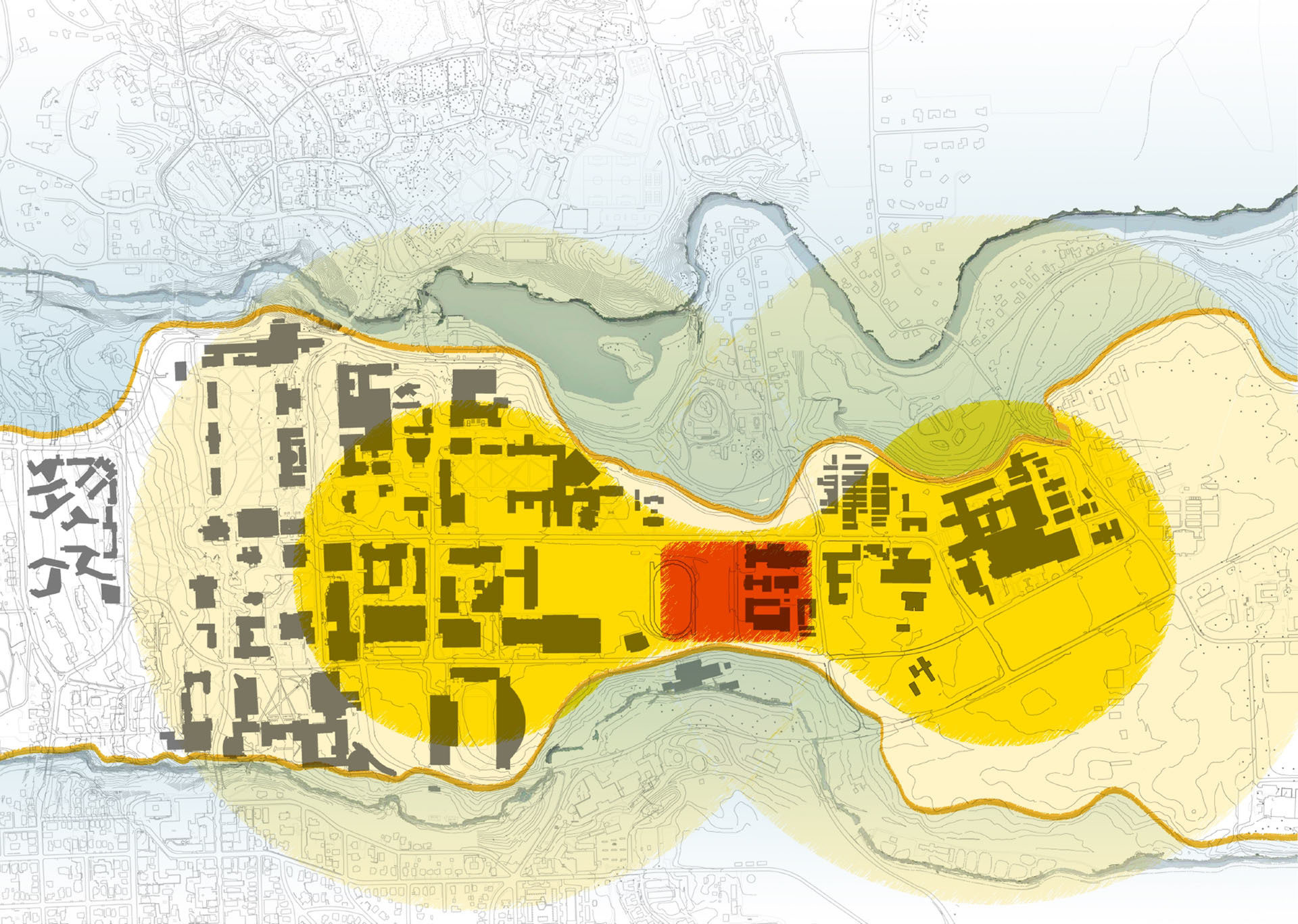
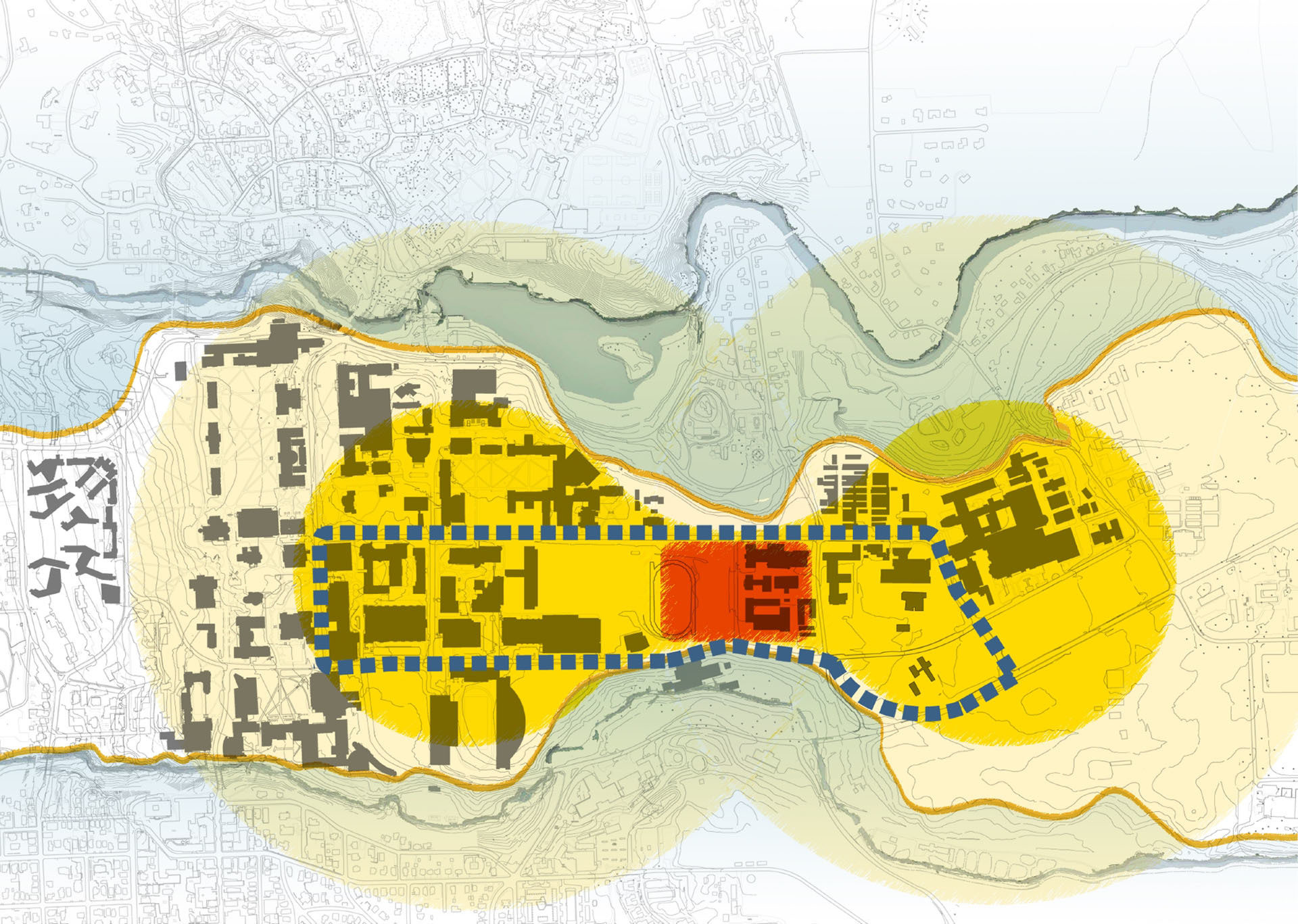
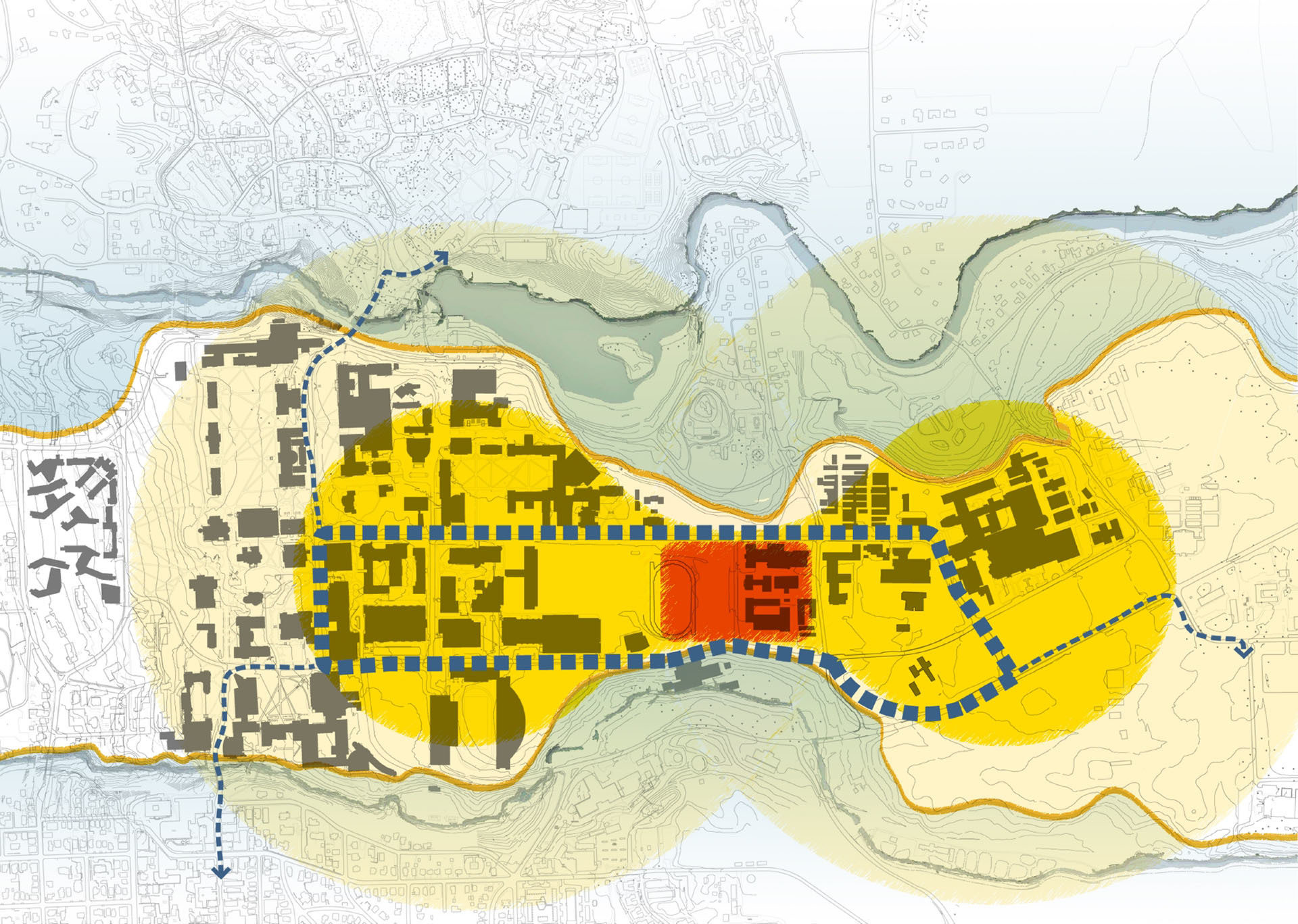
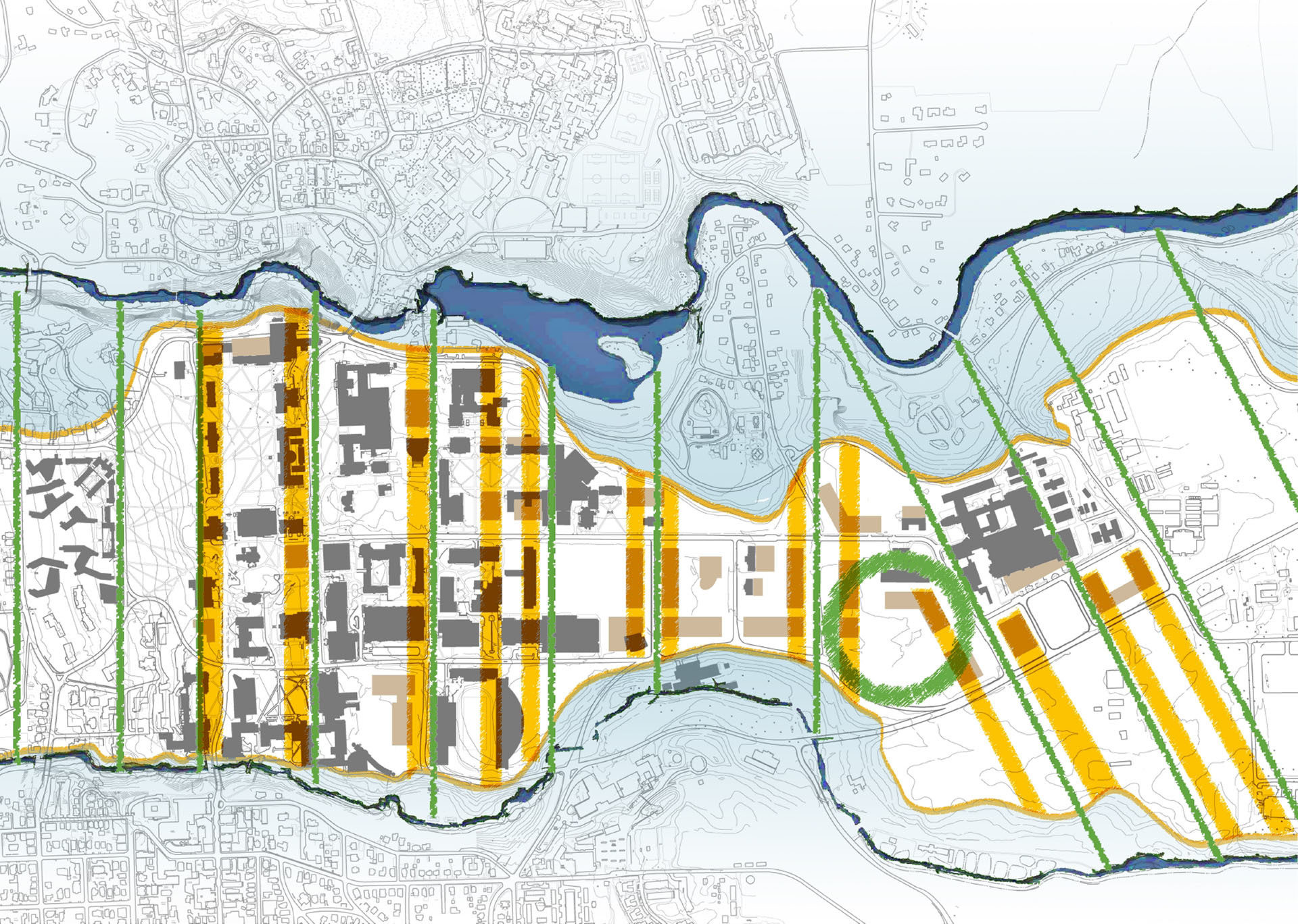
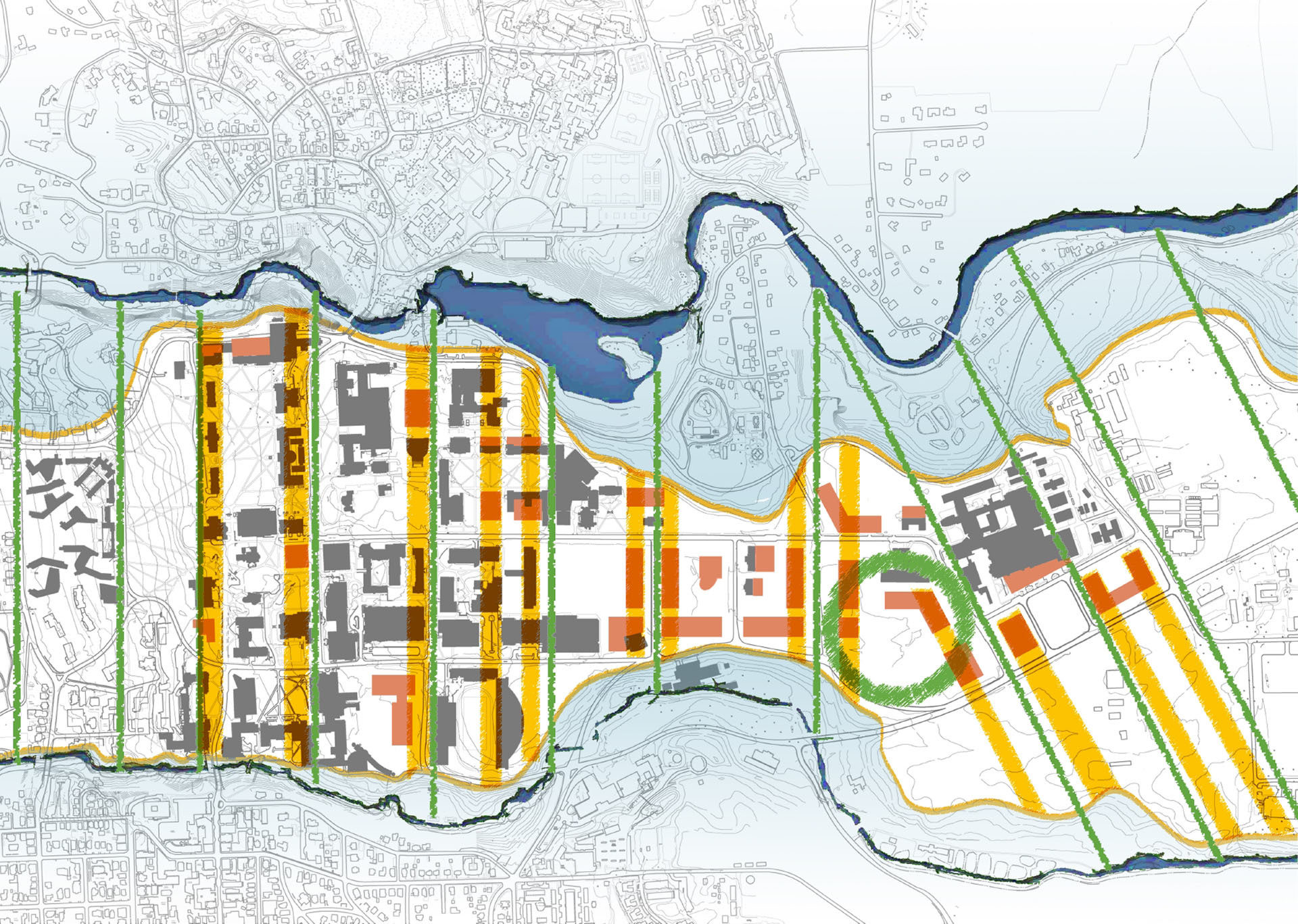
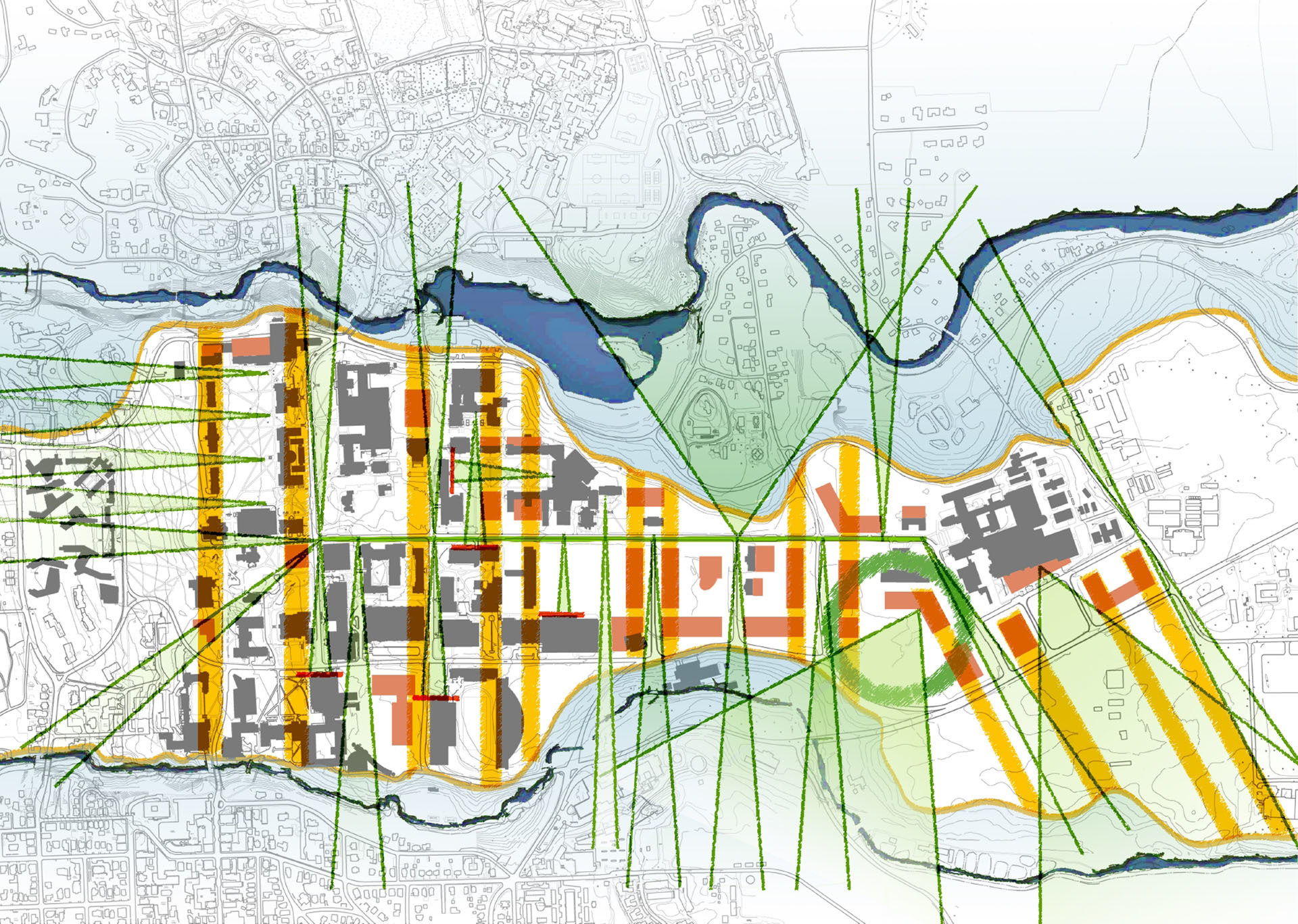
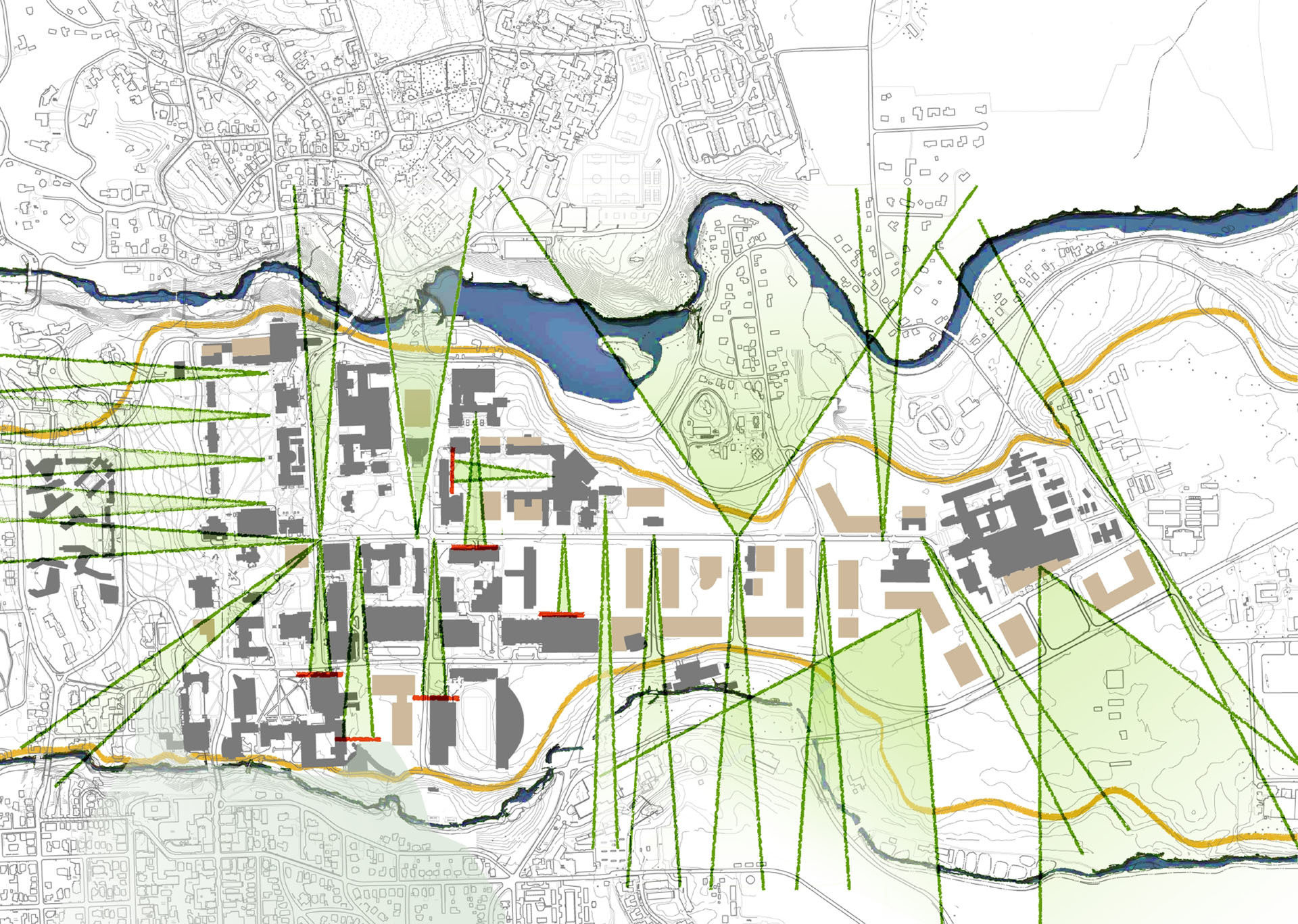
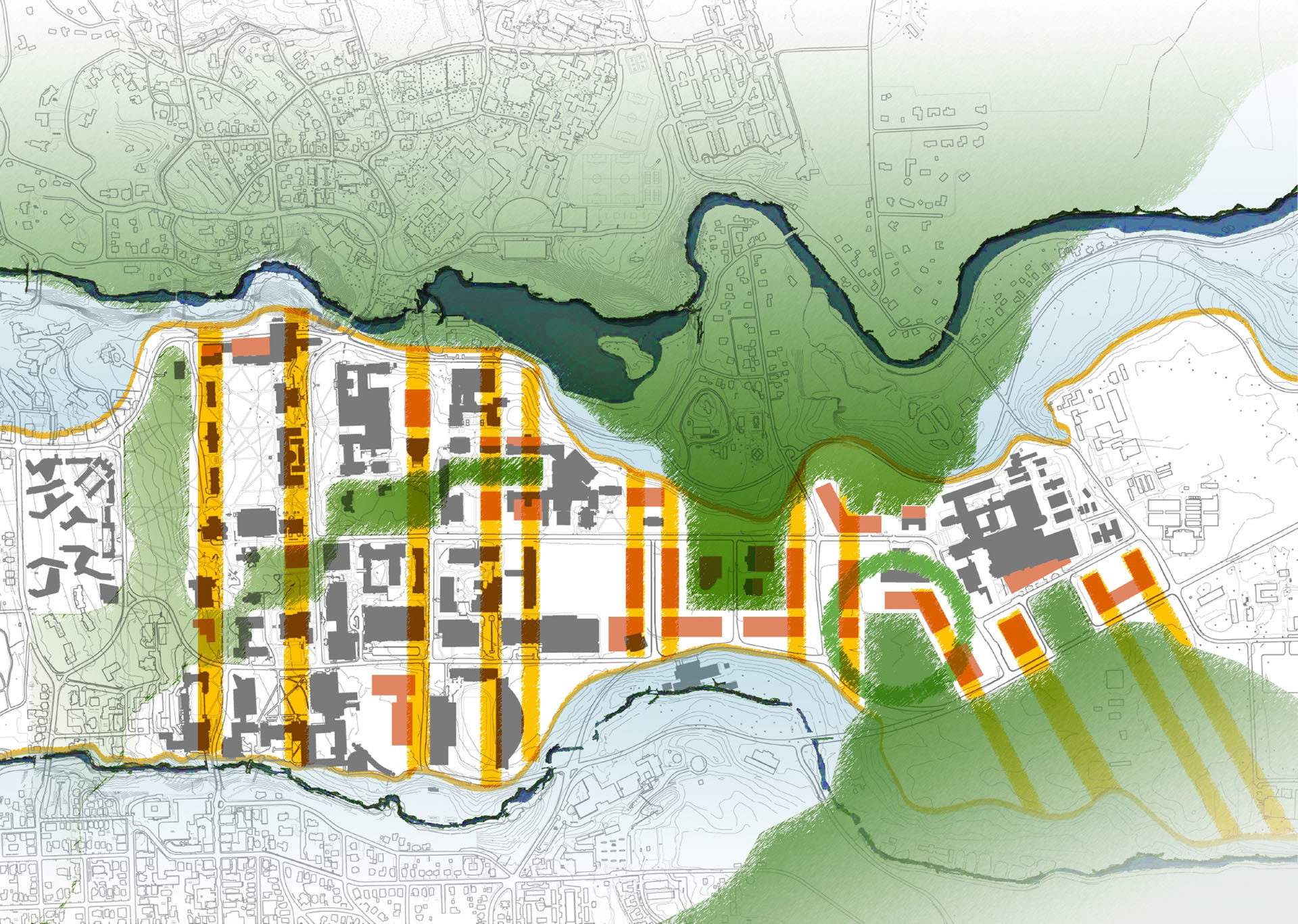
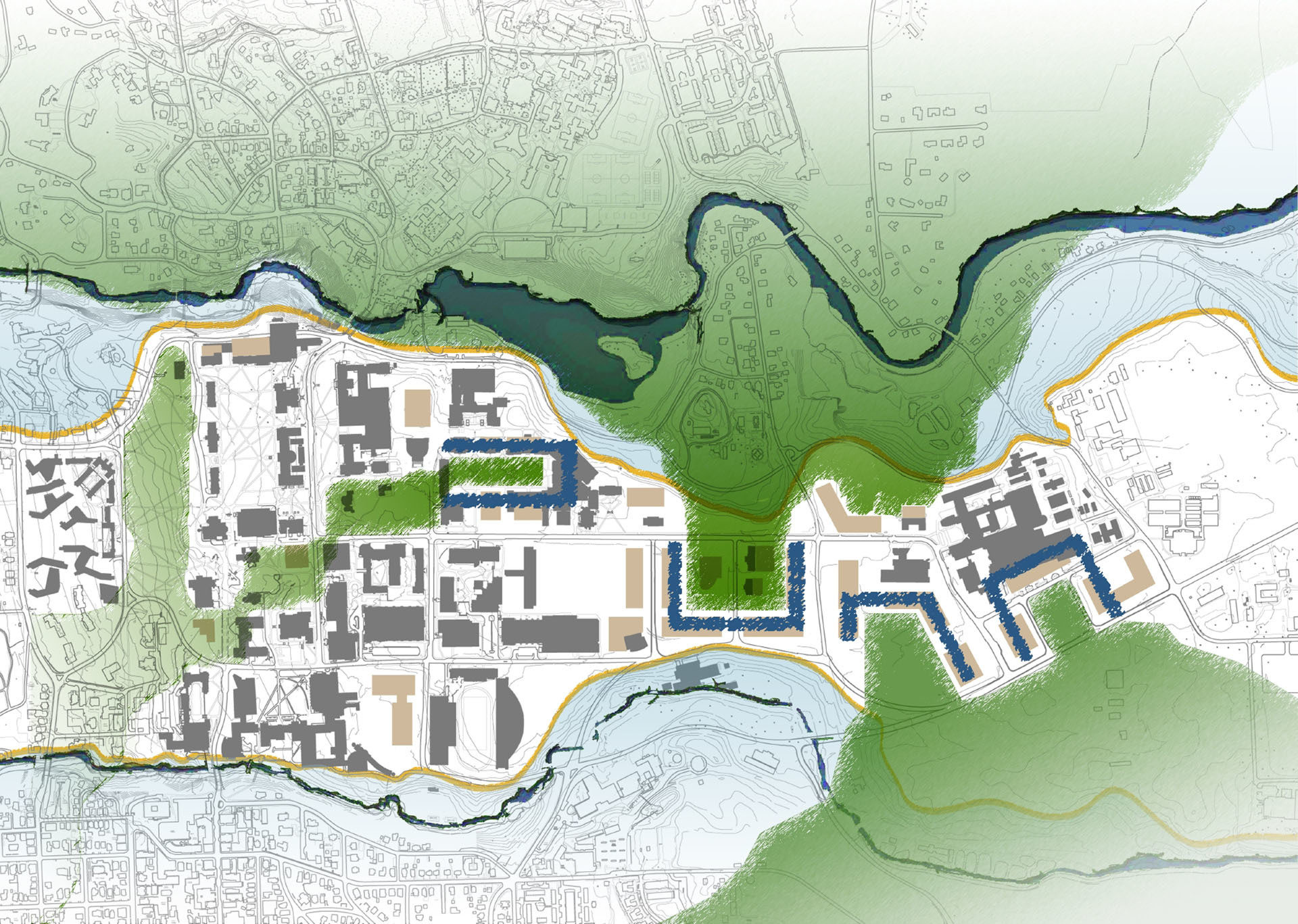
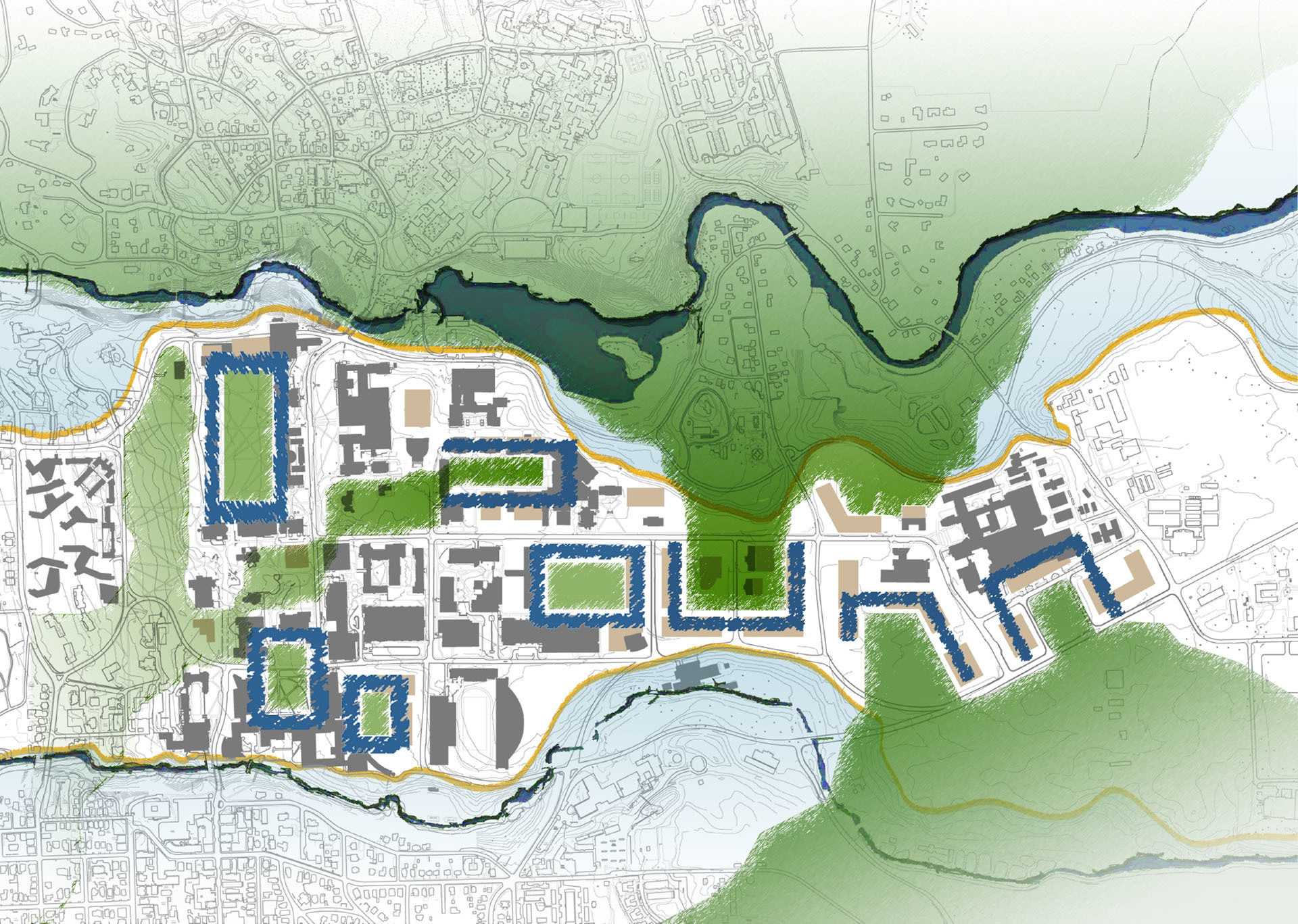
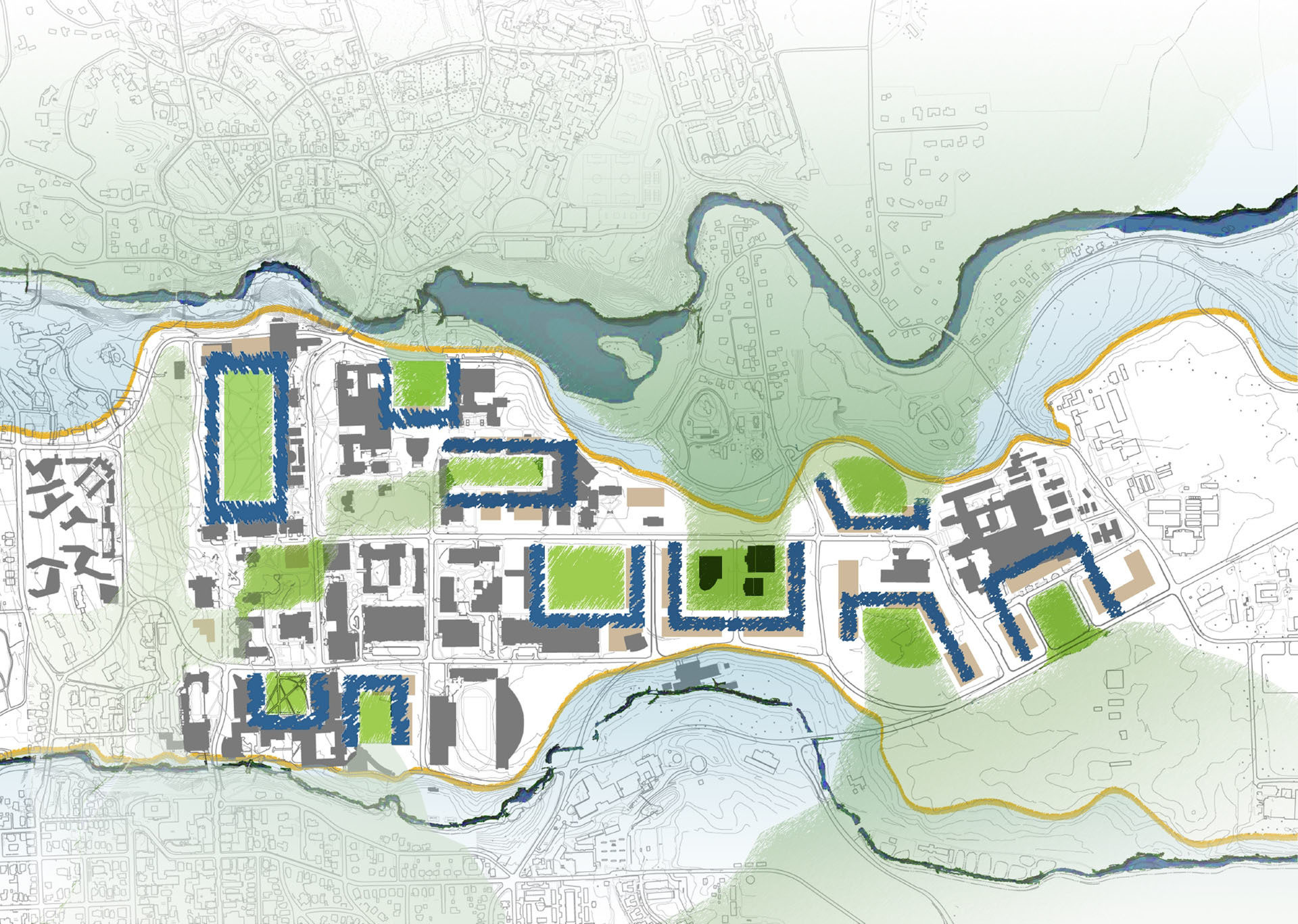
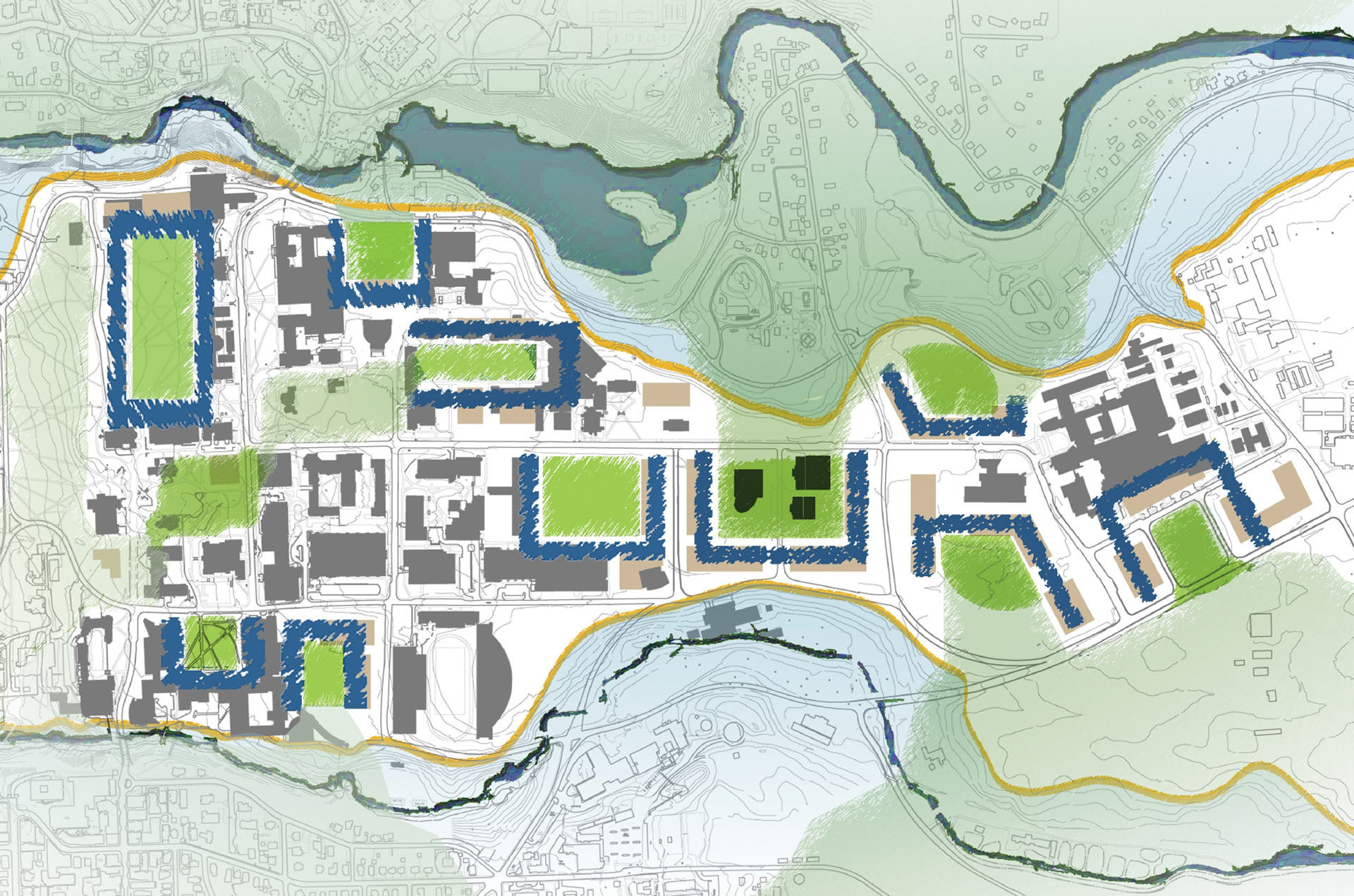
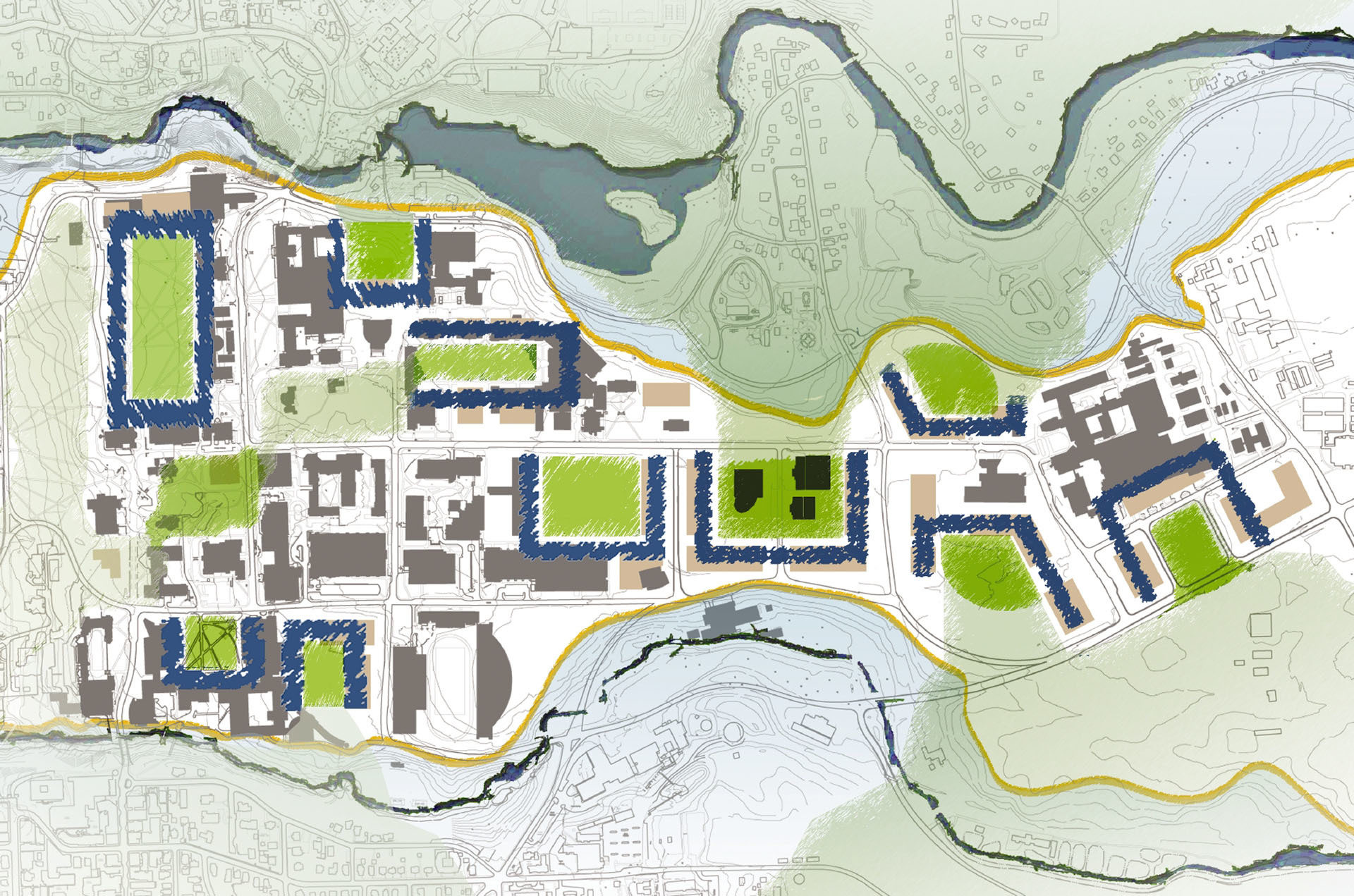
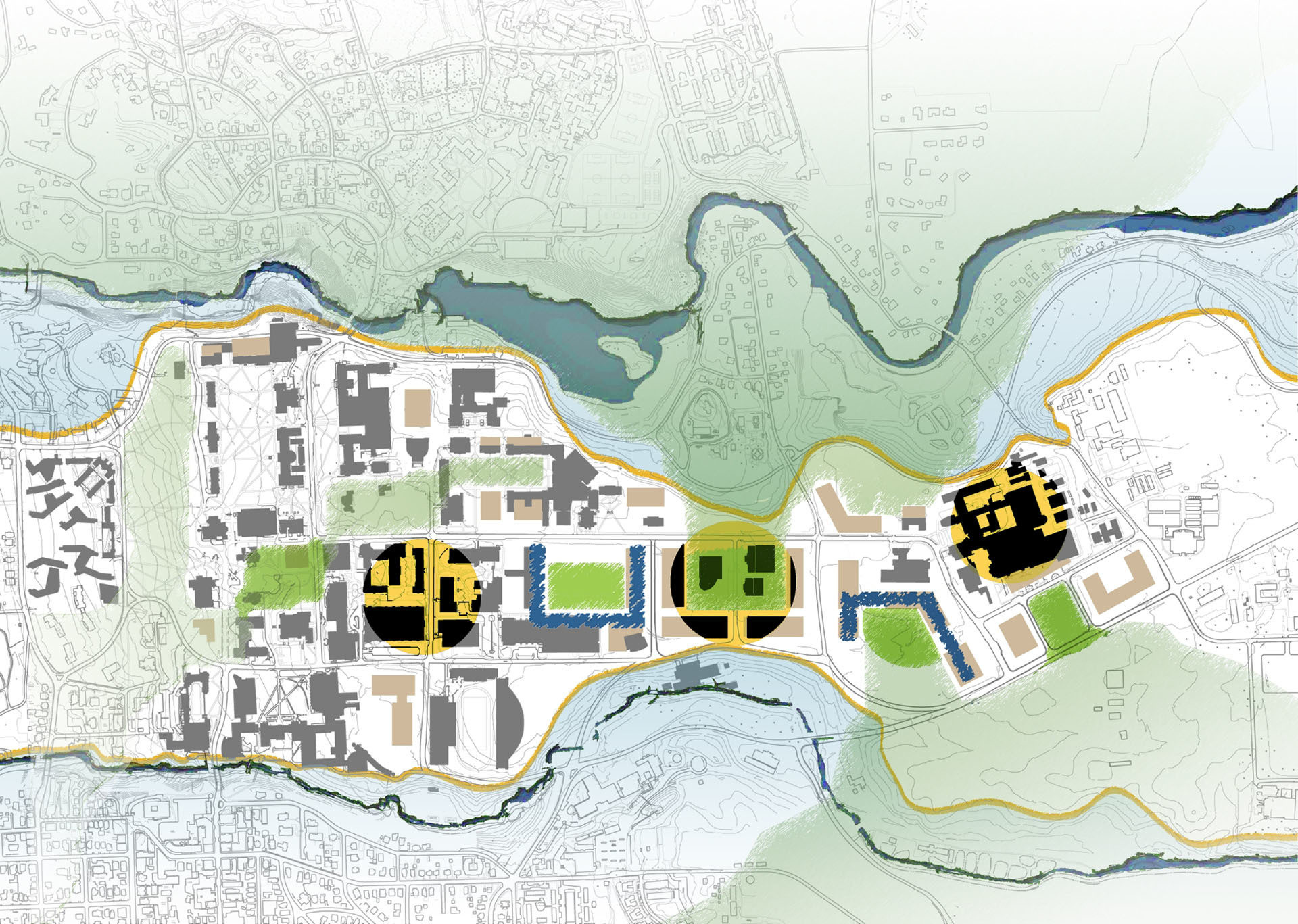
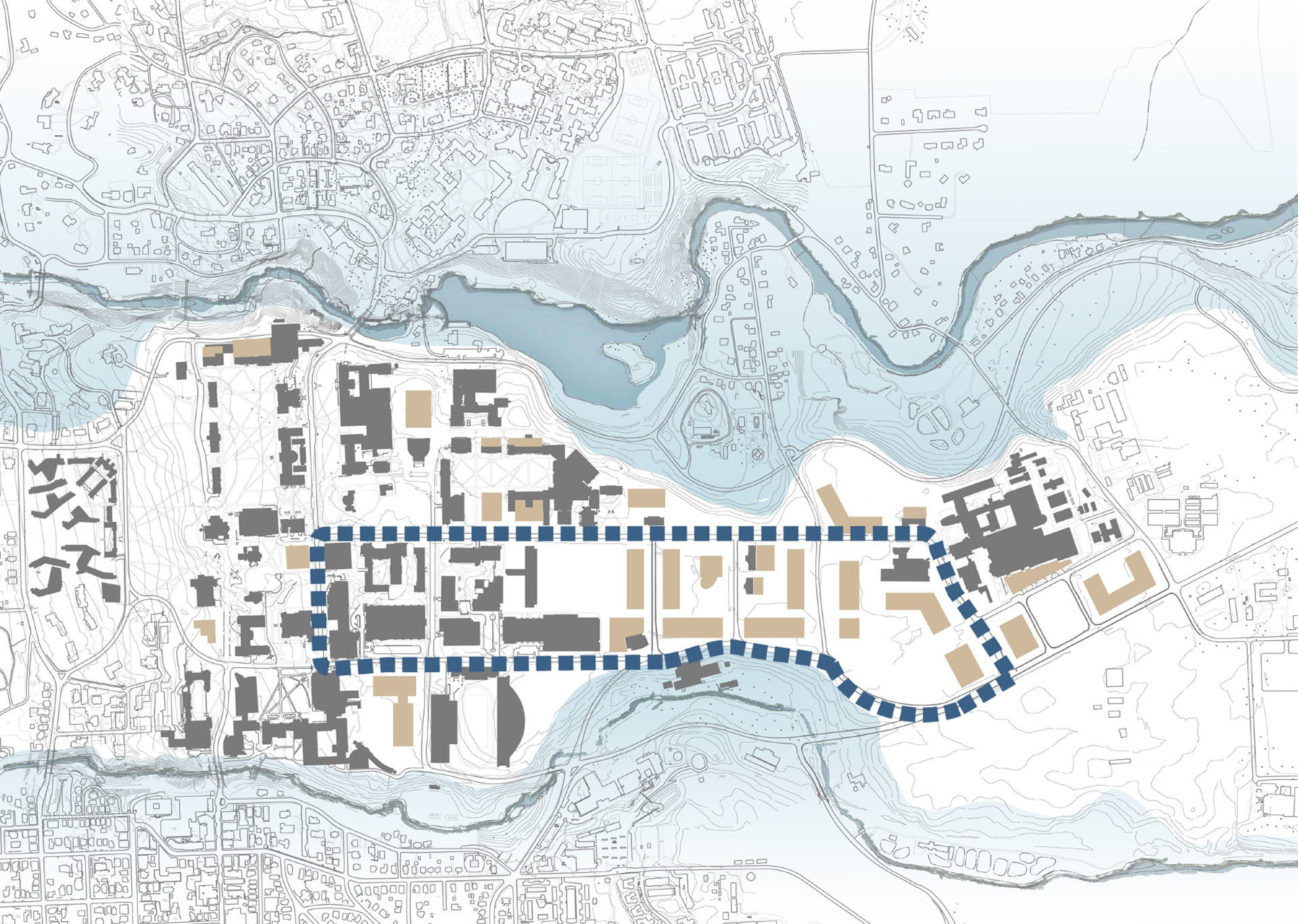
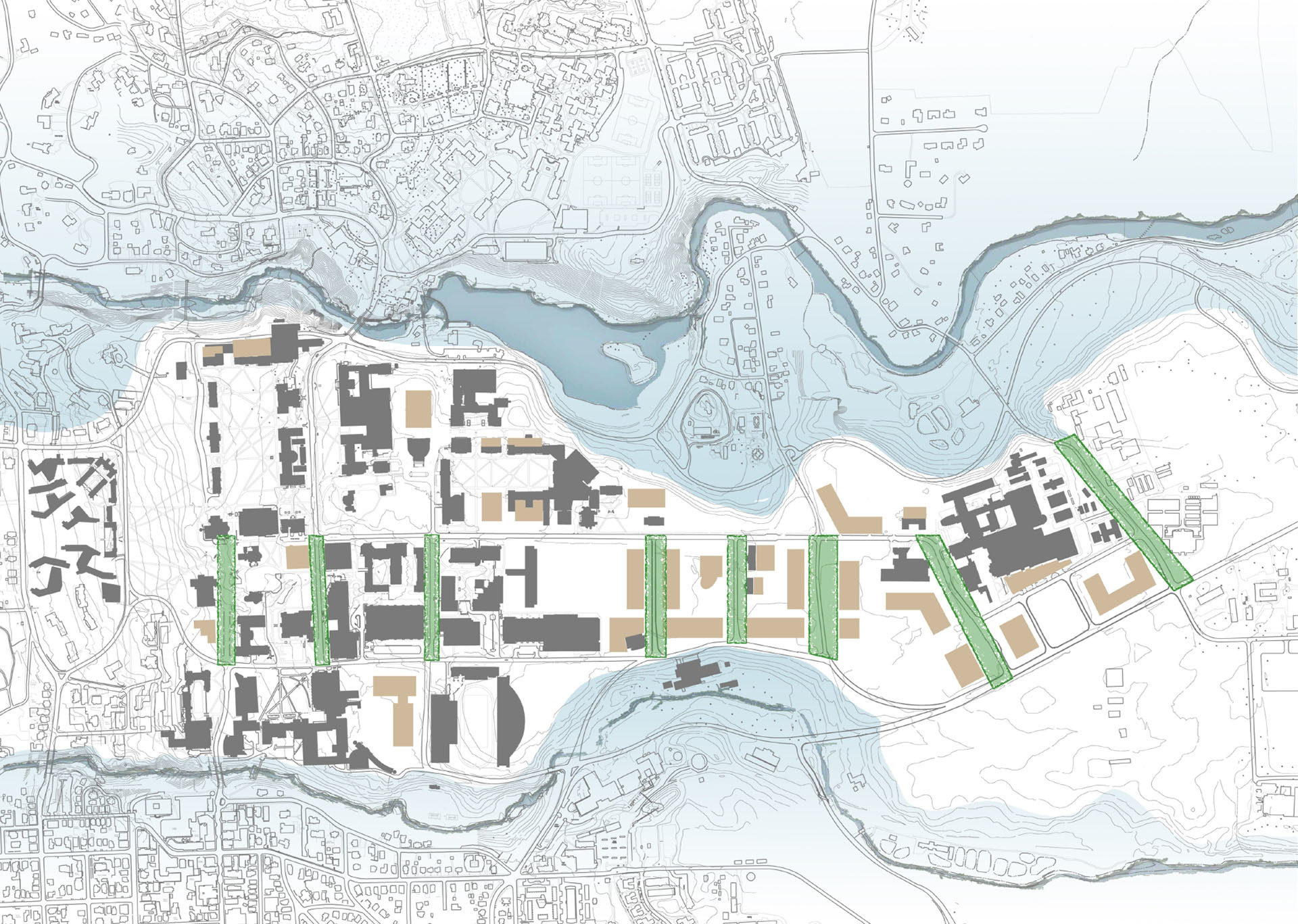
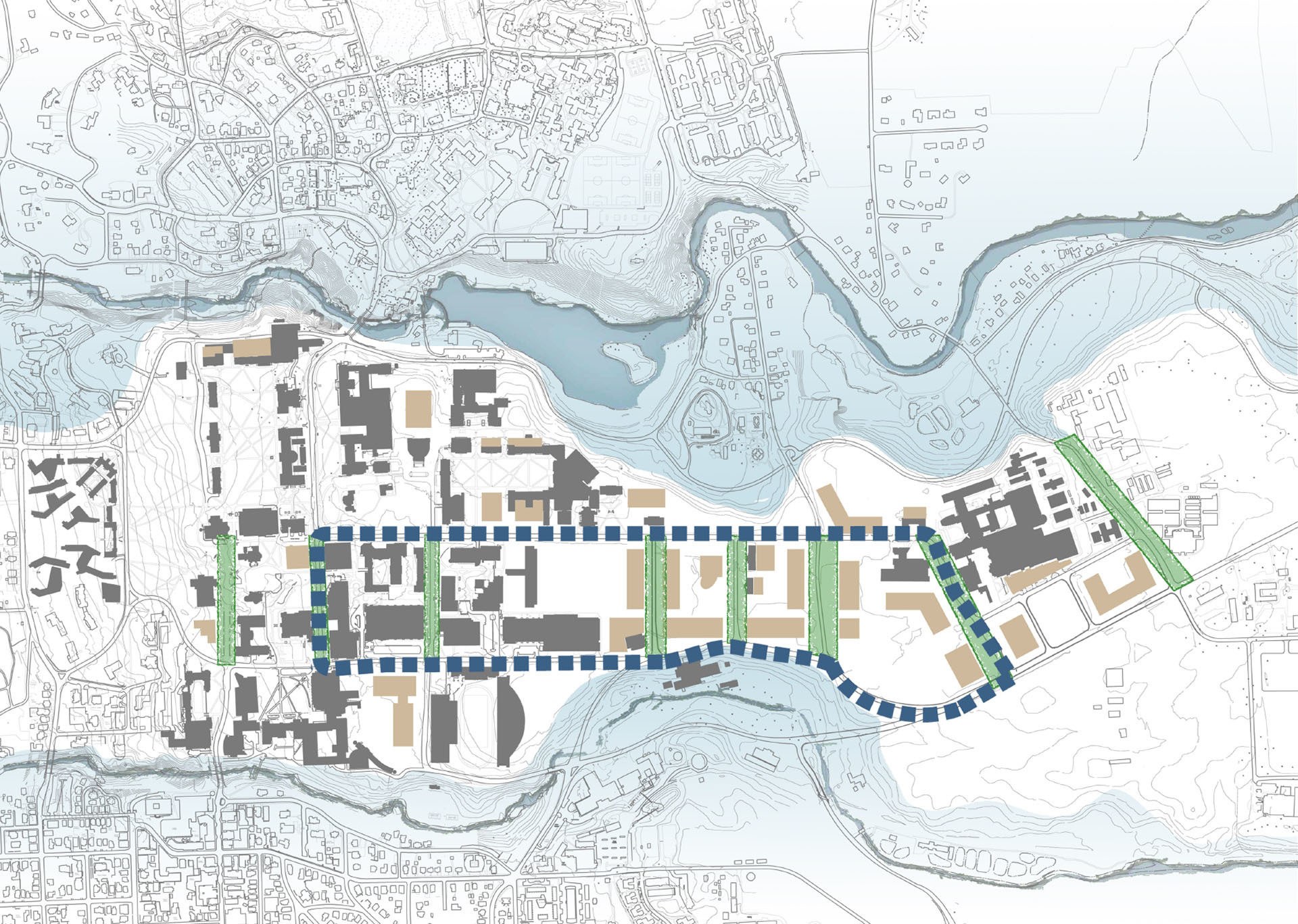
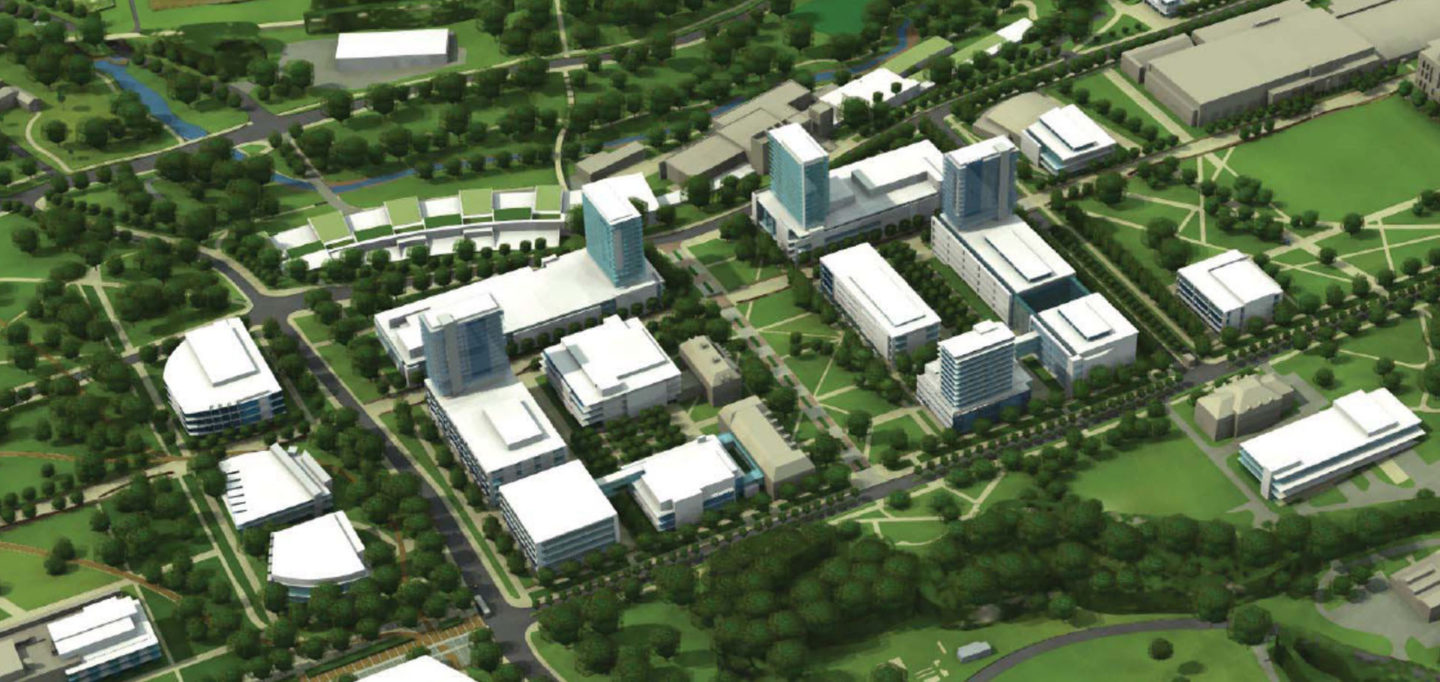
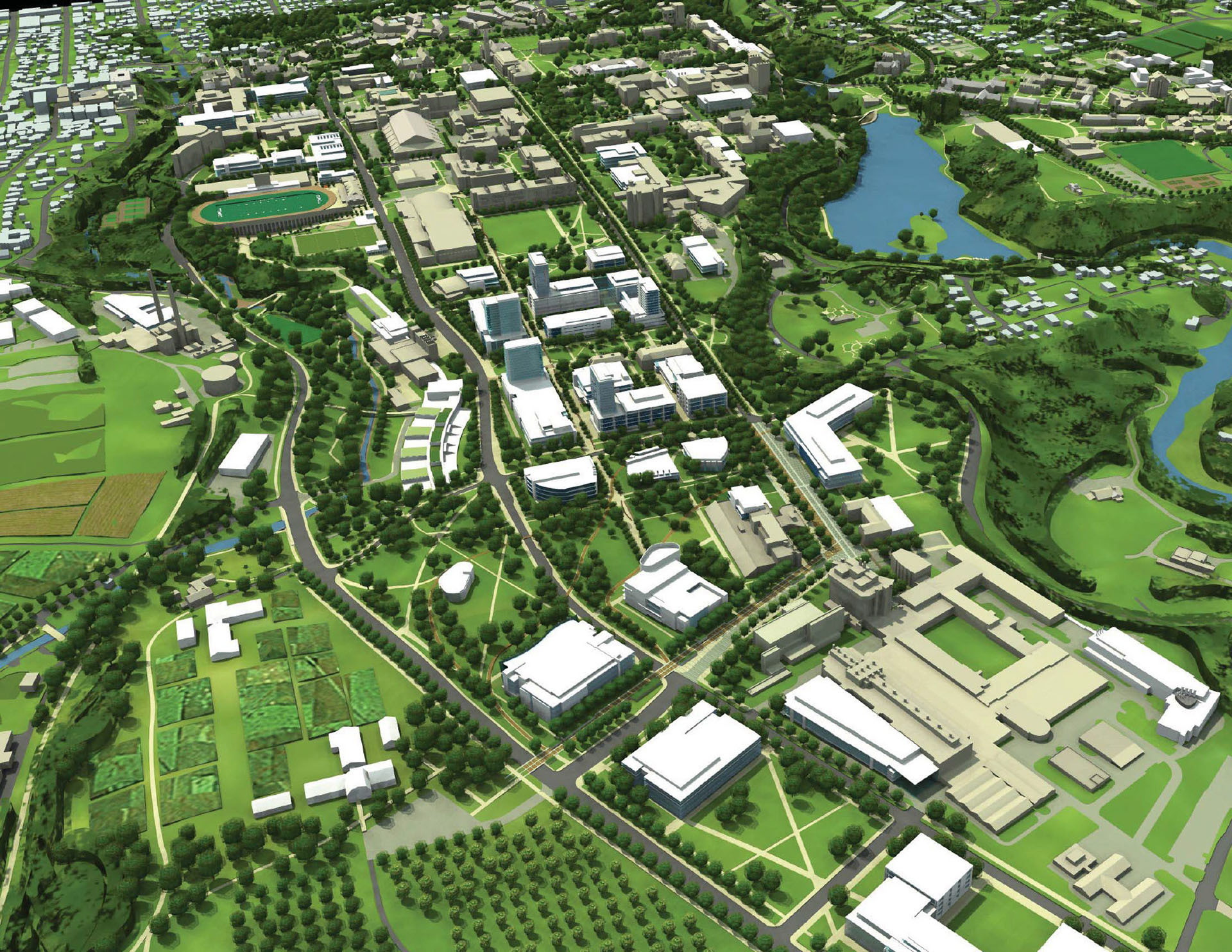
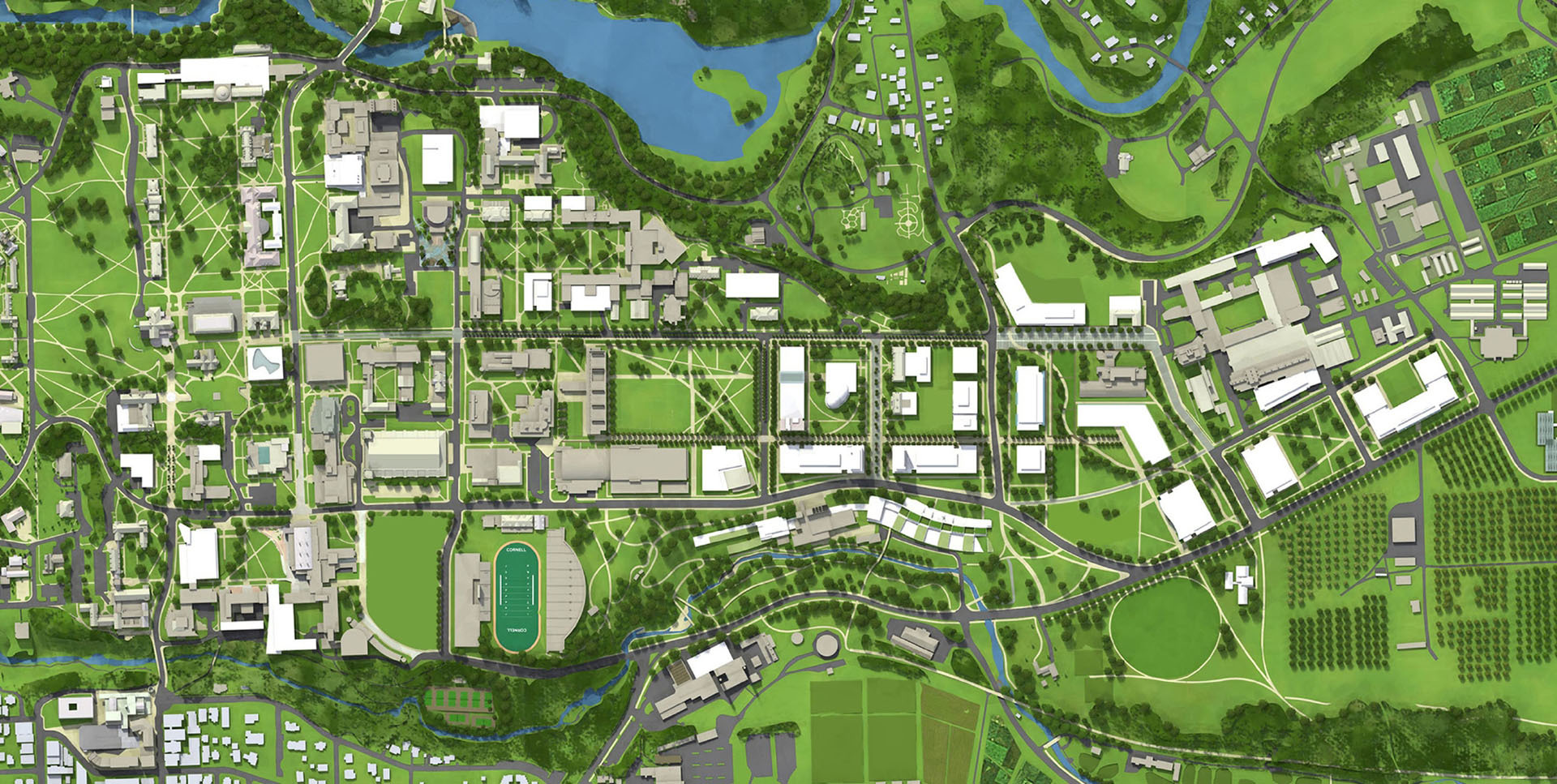
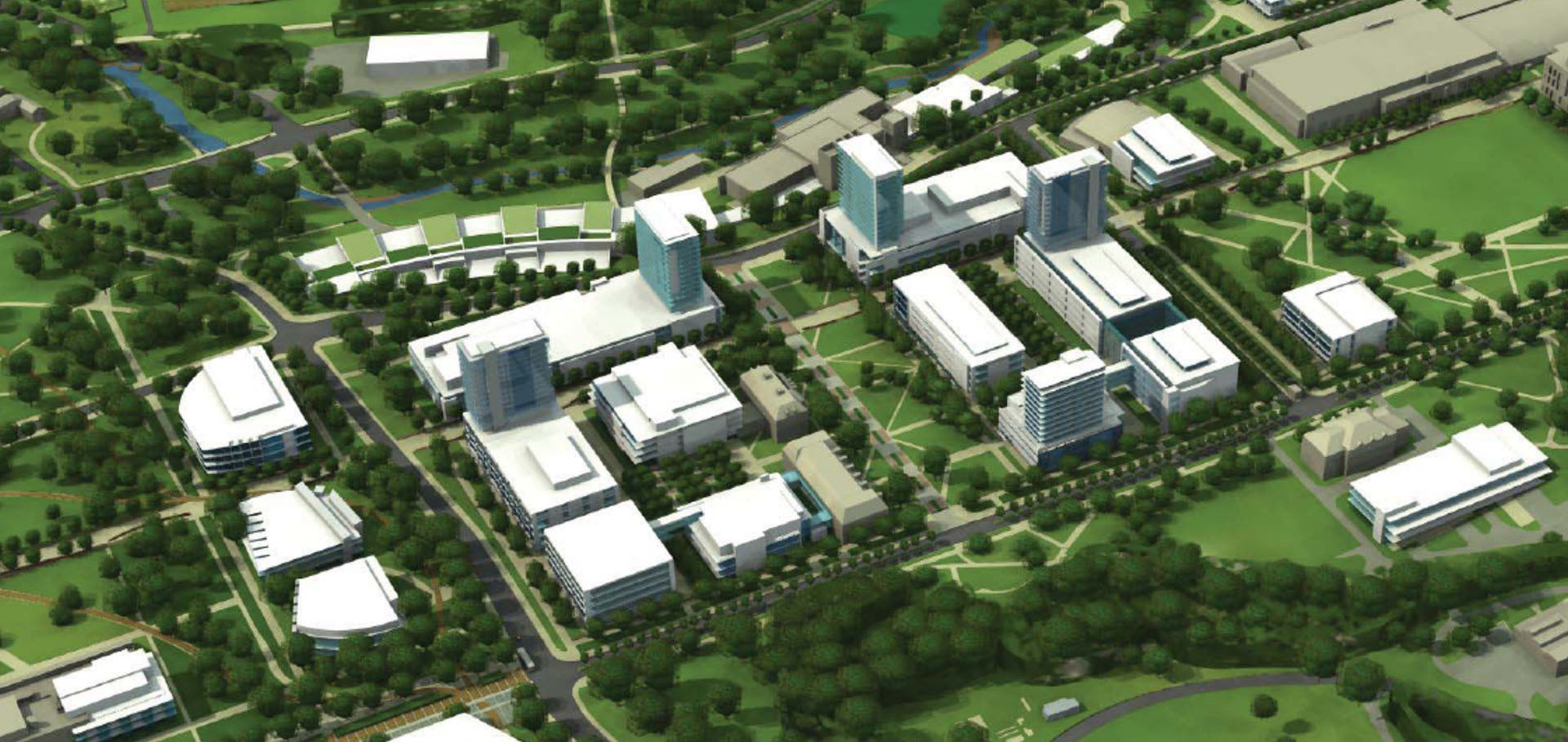
The Comprehensive Master Plan for Cornell University’s Ithaca campus provides a flexible physical planning and decision-making structure to accommodate the development of the University’s future research, teaching, residential and recreational priorities and programs.
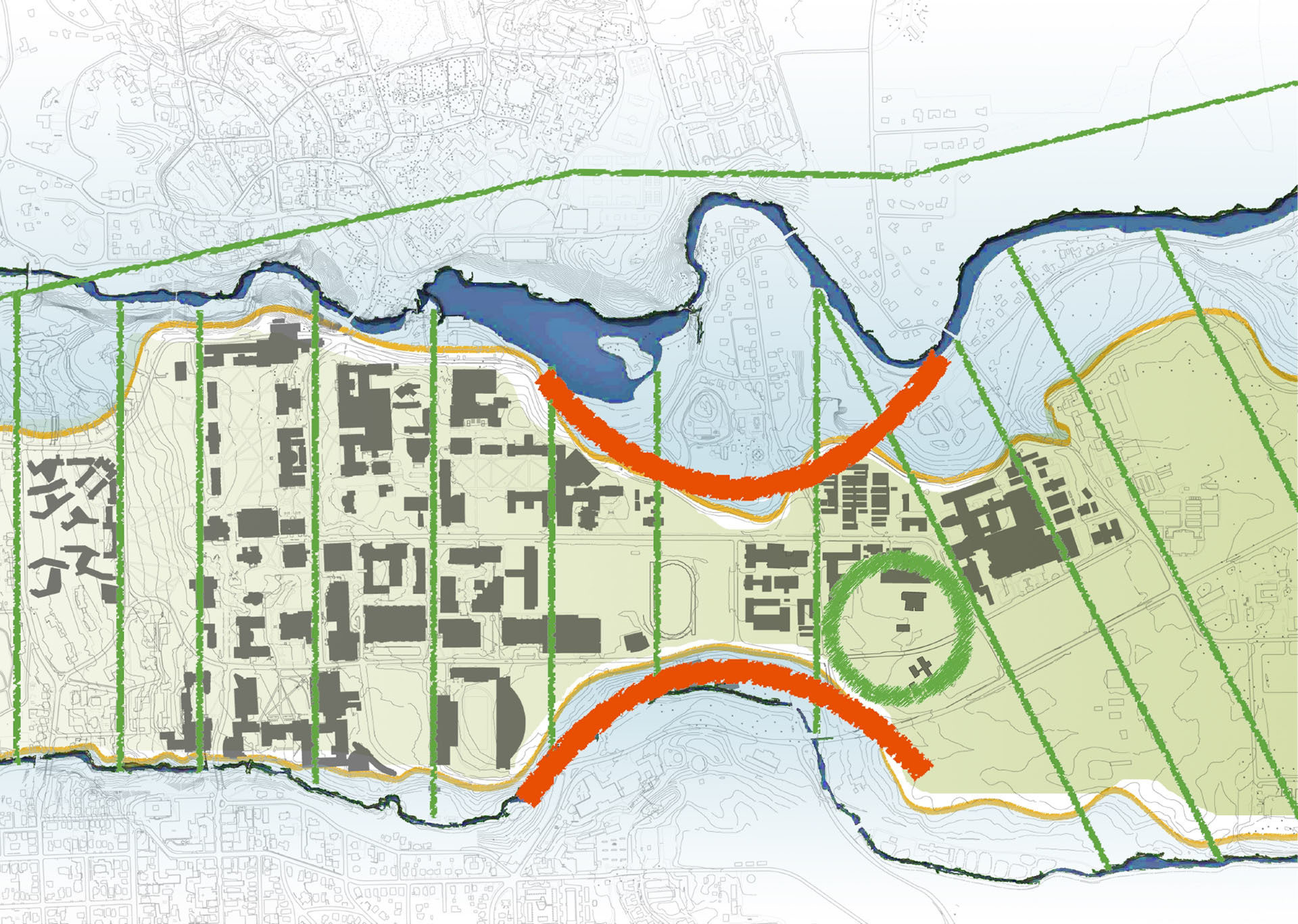
In recent decades, increasing interdisciplinary collaboration among the 13 colleges on campus has resulted in a change in the distribution and organization of academic units, as well as shifts in precinct boundaries. Our strategy addresses these patterns, likely to continue, and allows for adaptability based on new trends moving forward.
Duncan Hazard, Management Partner
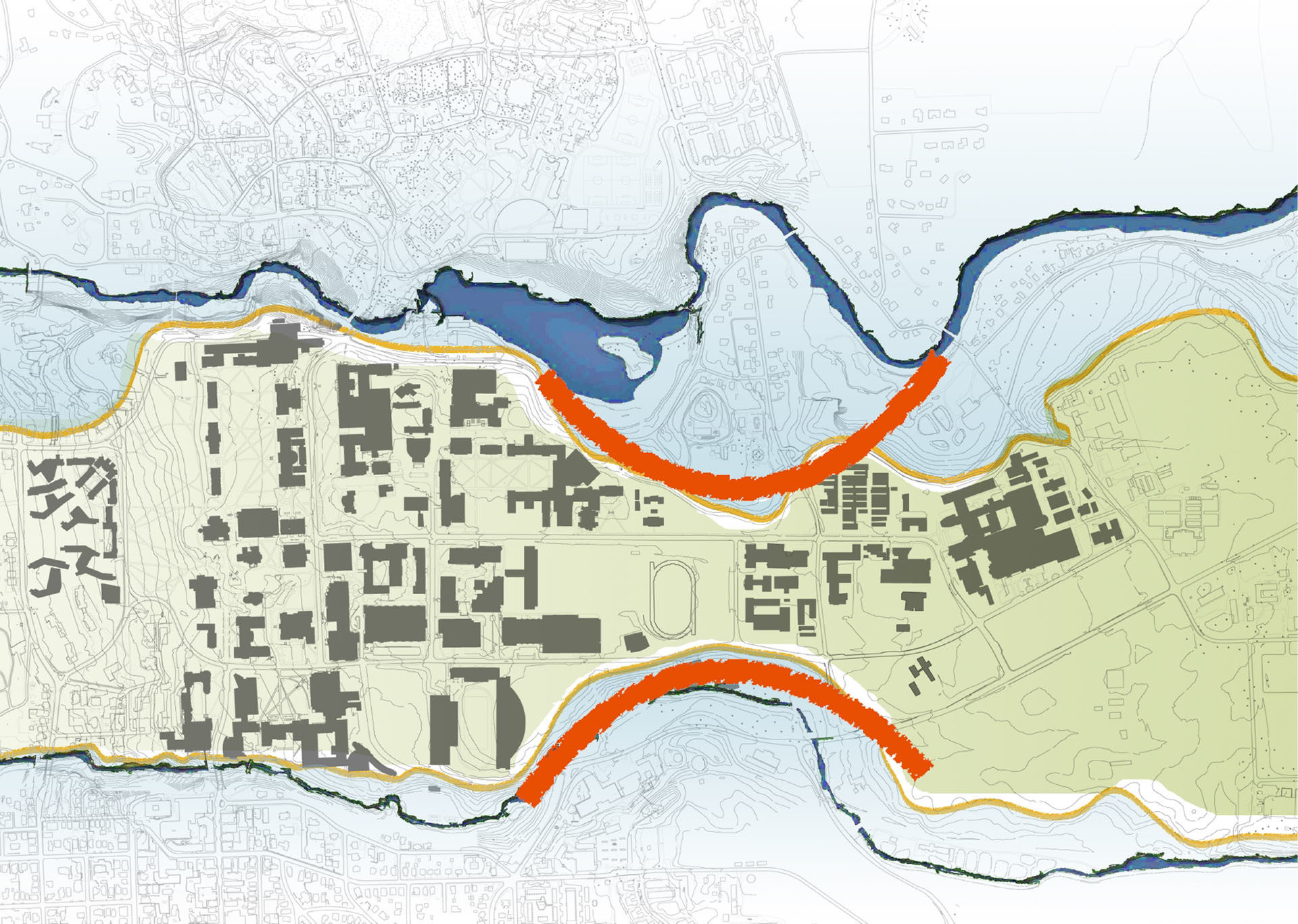
In 2005, Cornell identified the need for a Comprehensive Master Plan for the Ithaca campus that looked at least thirty years into the future. Among the issues analyzed were opportunities for growth at the heart of campus, locations for growth generally and land use beyond the academic core.
Completed in 2008, the Comprehensive Master Plan provides a means for the University to plan for and manage anticipated growth and restructuring in order to best serve the needs of its broad constituency.
It also suggests a strategy for relating to the University’s four surrounding home communities and defines and addresses the institution’s approach to sustainable development.
Landscaped open spaces, both natural and designed, distinguish the unique character of the campus. The Master Plan seeks to improve the quality of these spaces to enhance the experience of, organize and unify the campus.