
New Business
Press
Vendors
Webmaster
General Inquiries
Shanghai
Suite 5205, Block 5, Bridge 8,
No. 10 Jian Guo Zhong Road,
Huangpu District,
Shanghai 200025, PRC
Los Angeles
The Bradbury Building
Suite 205
304 S Broadway
Los Angeles, CA 90013
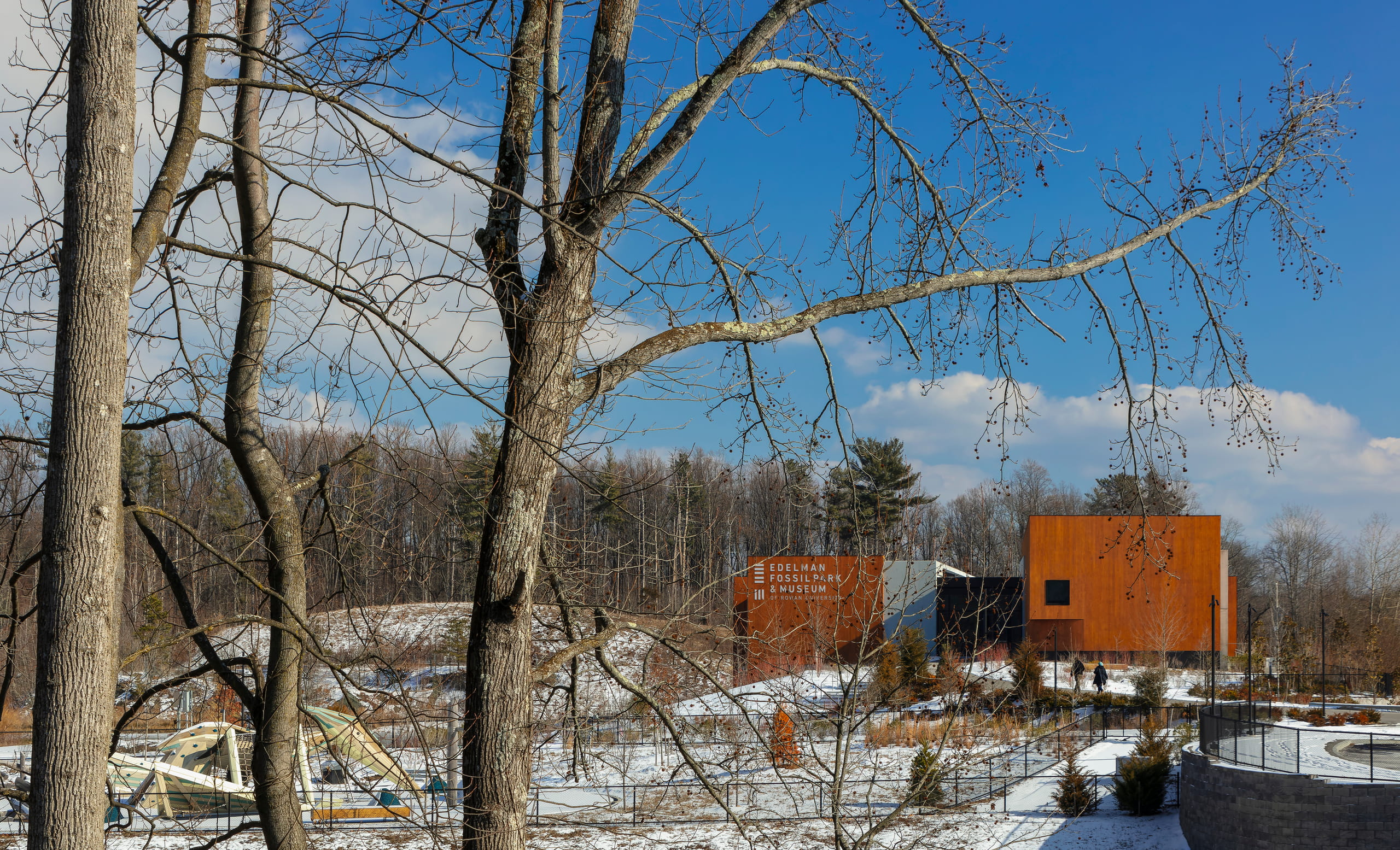
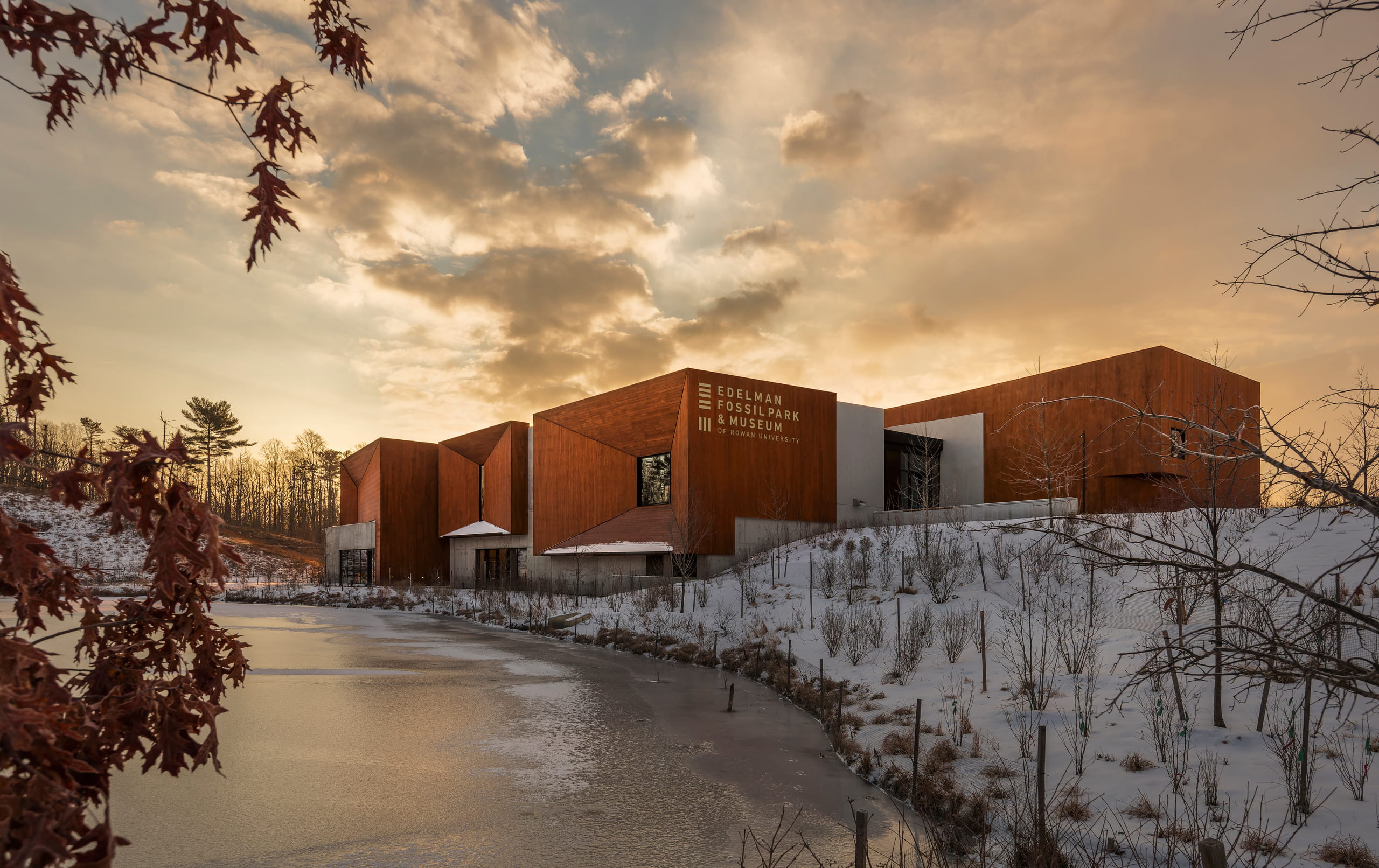
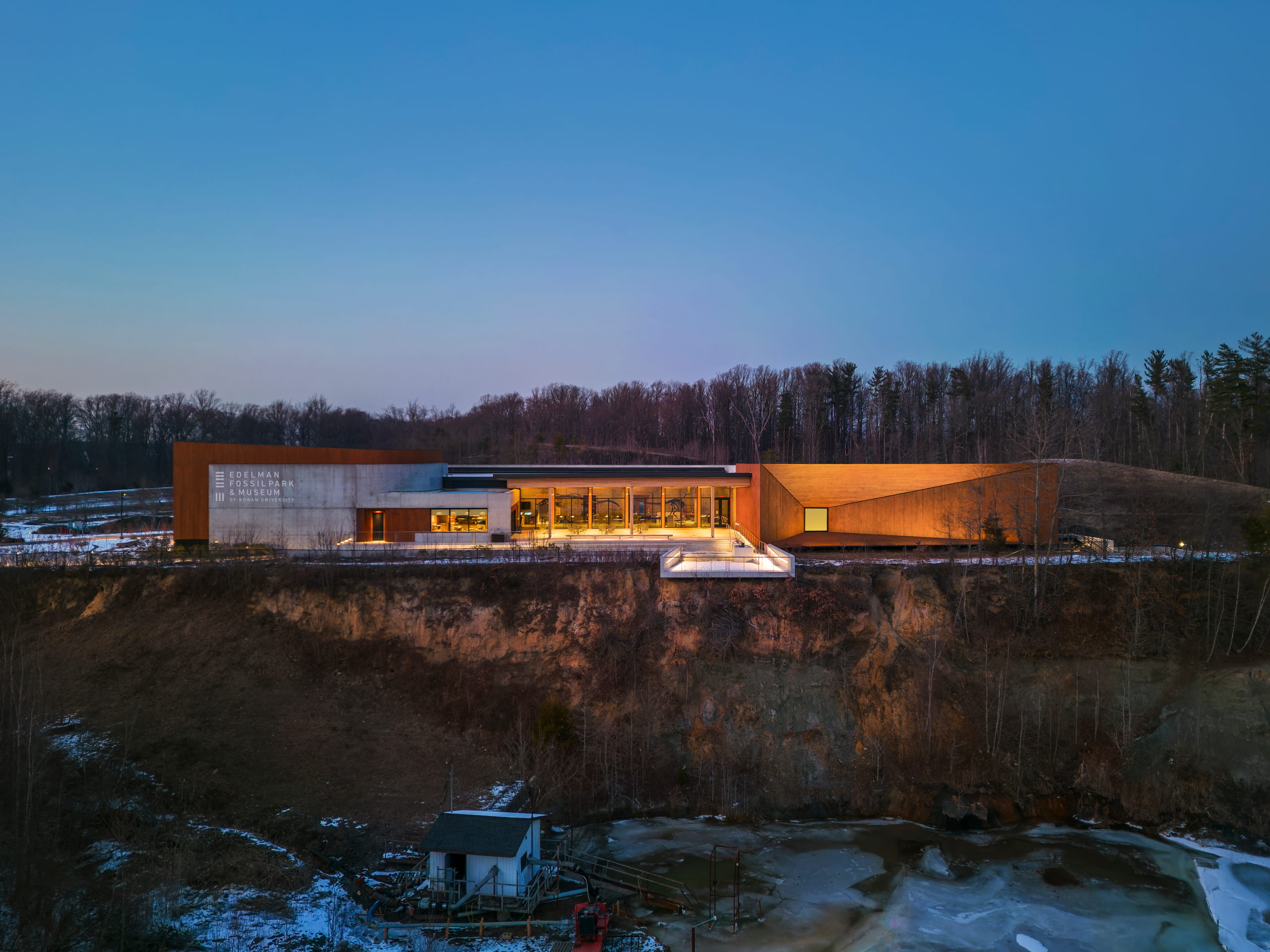
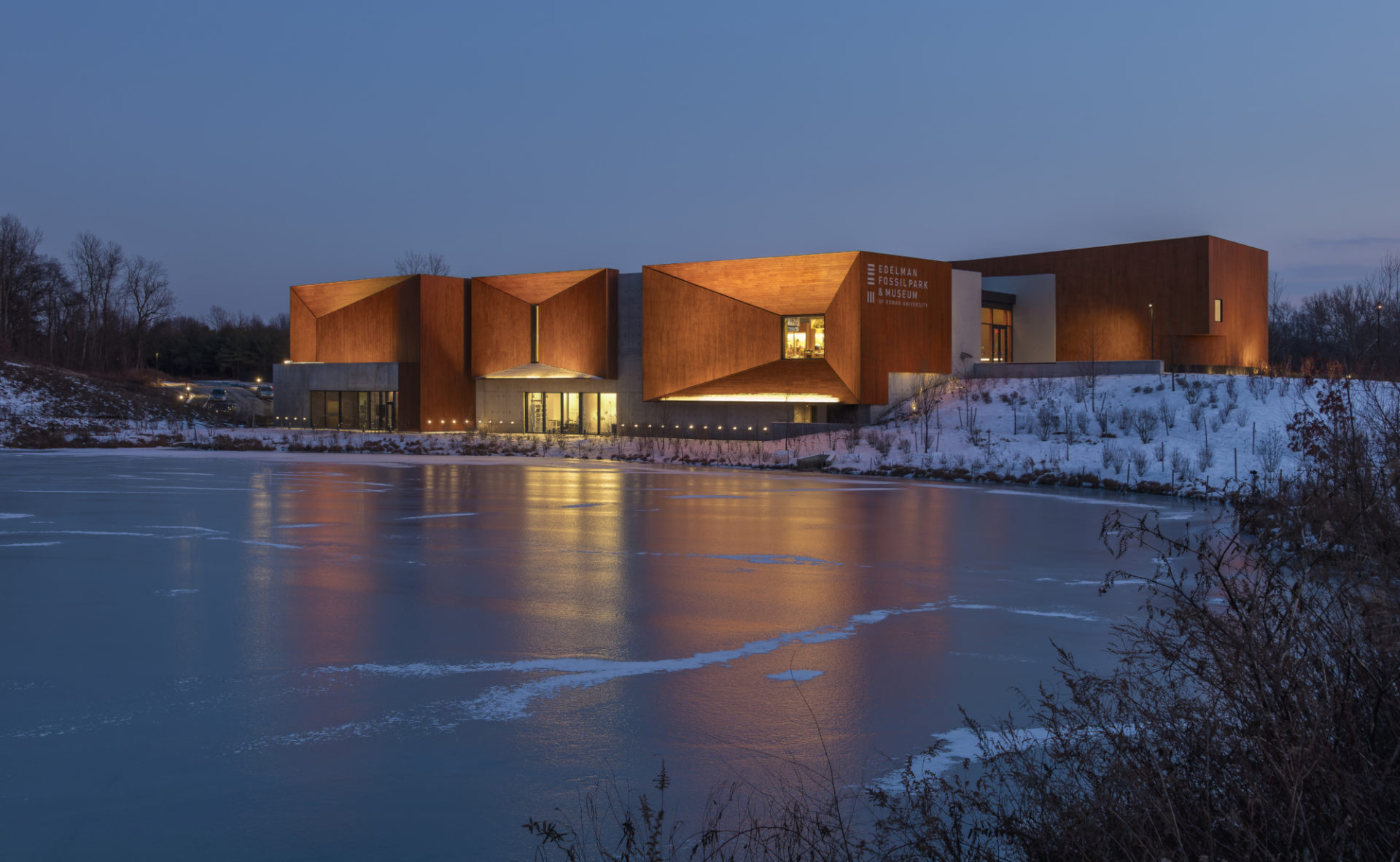
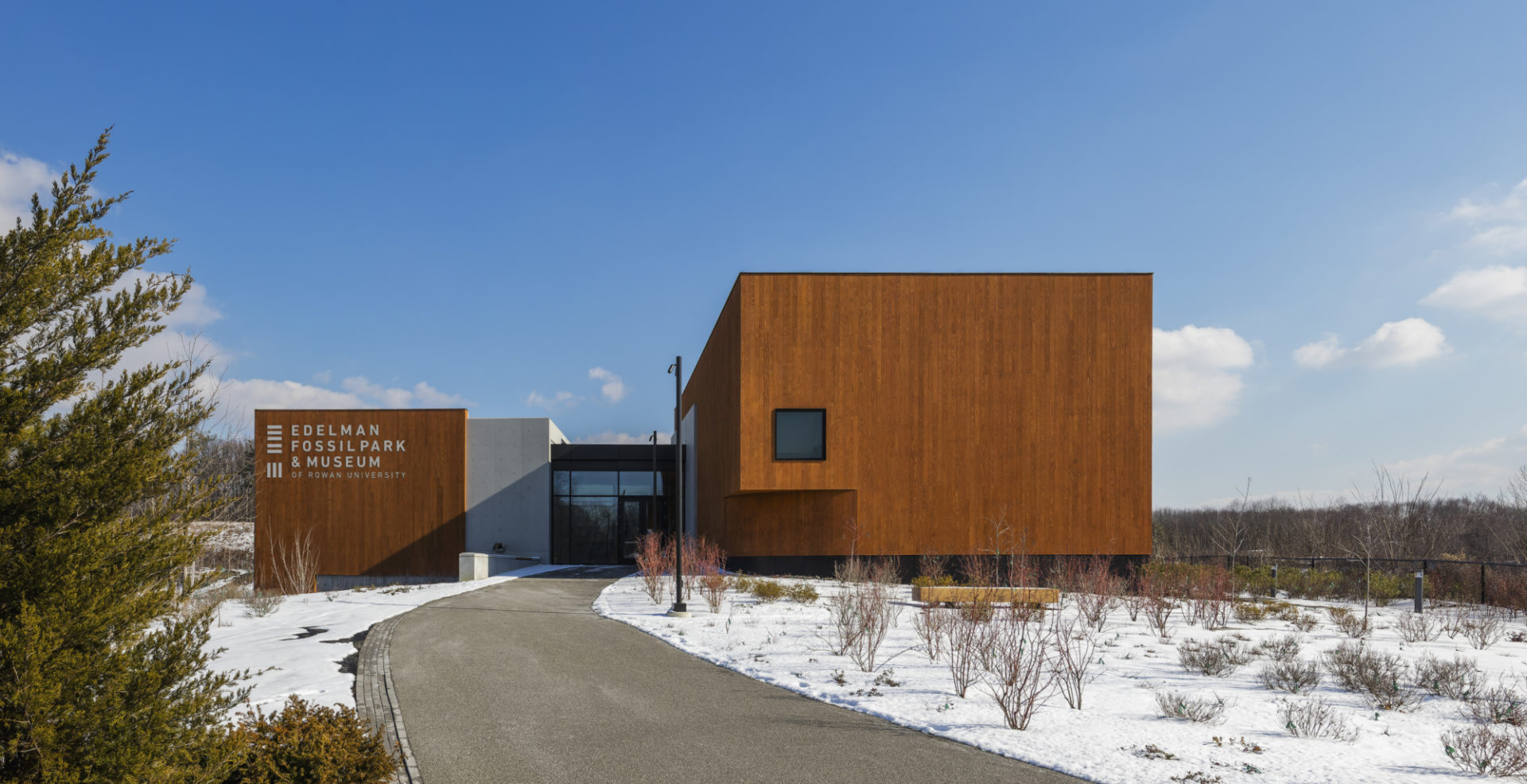
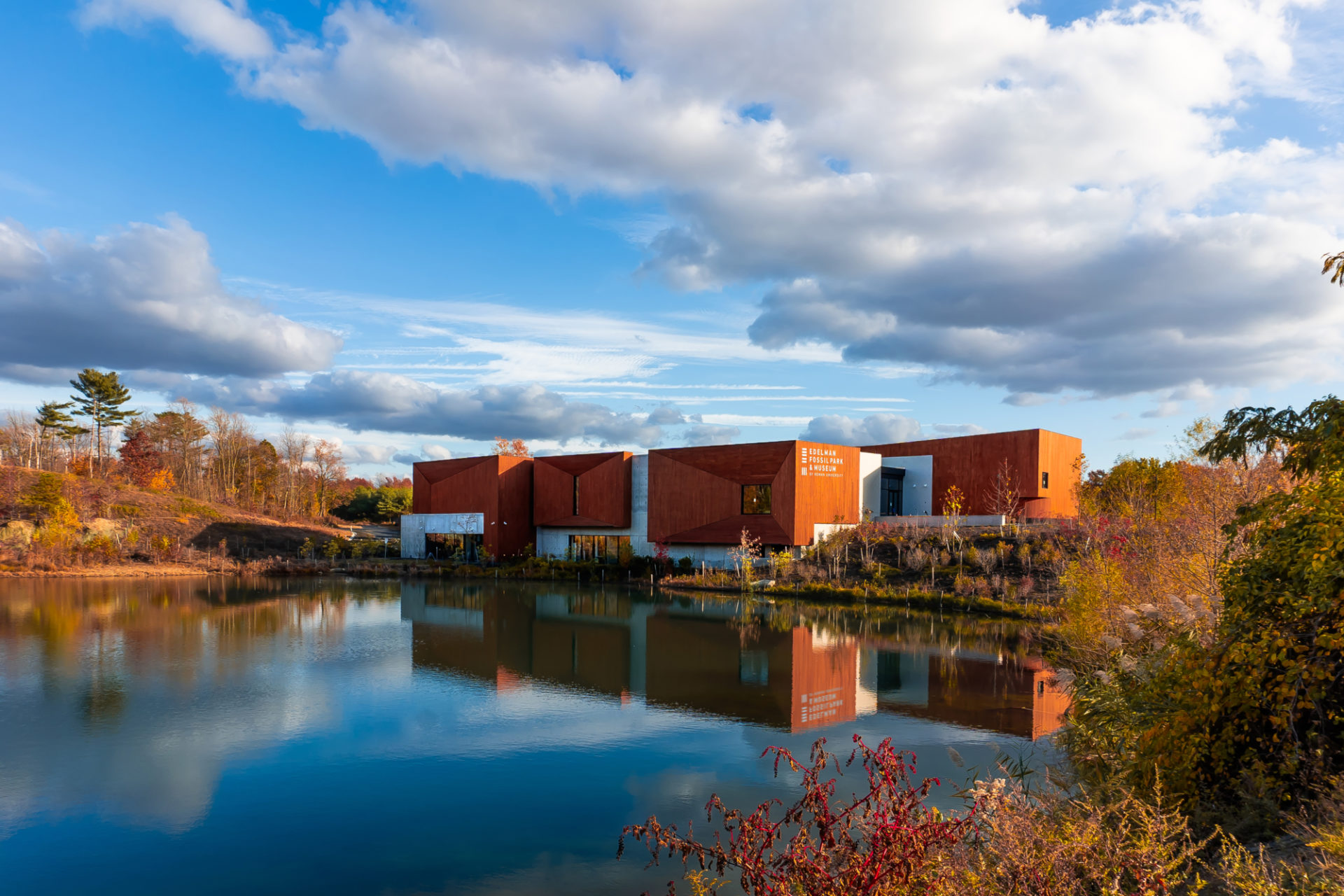
Just as the site itself offers a window into the earth’s deep past and the devastation of mass extinction, the highly sustainable, carbon net-zero building looks to the earth’s future and the critical importance of planetary stewardship in the Anthropocene.
Thomas J. Wong, AIA, Design Partner
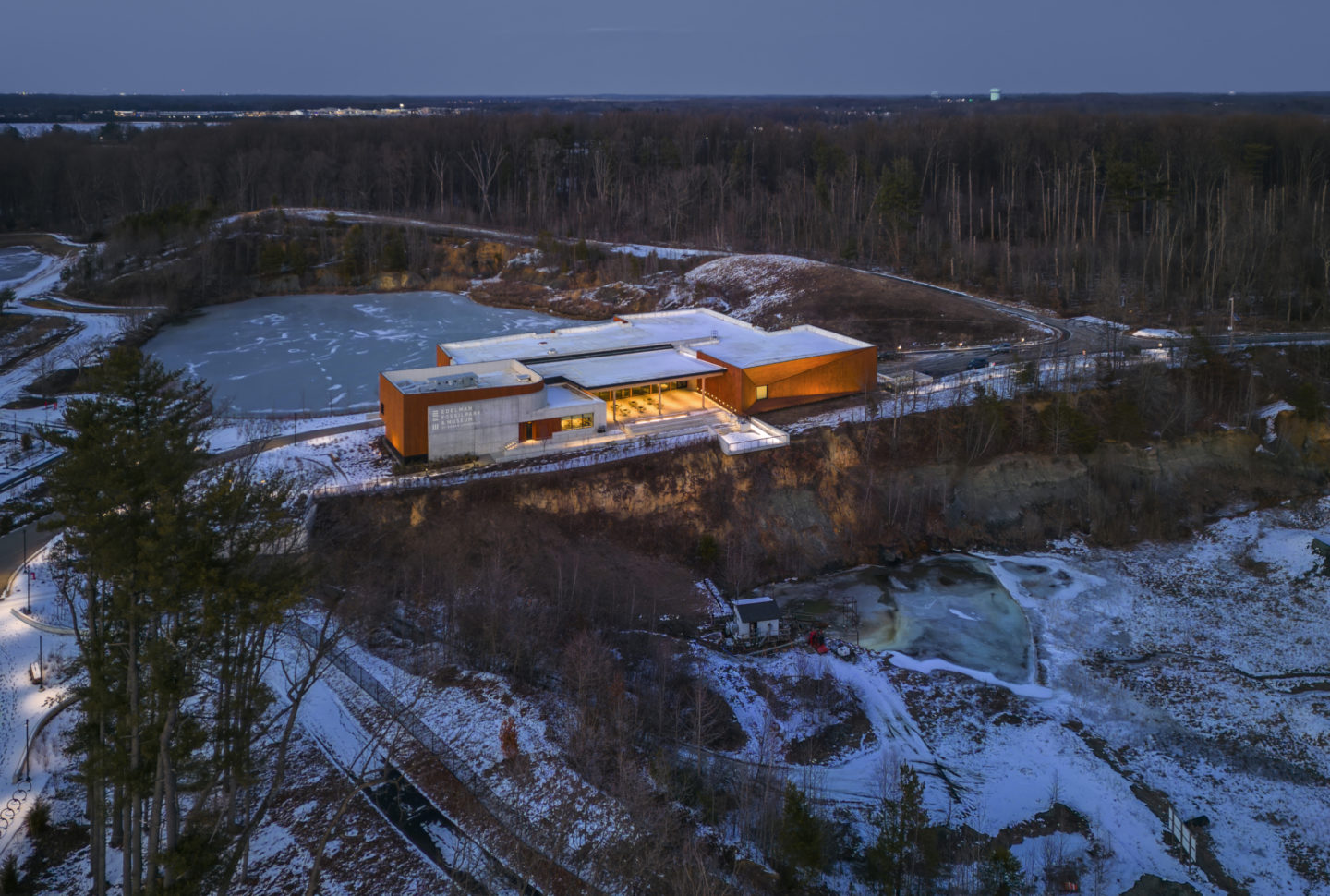
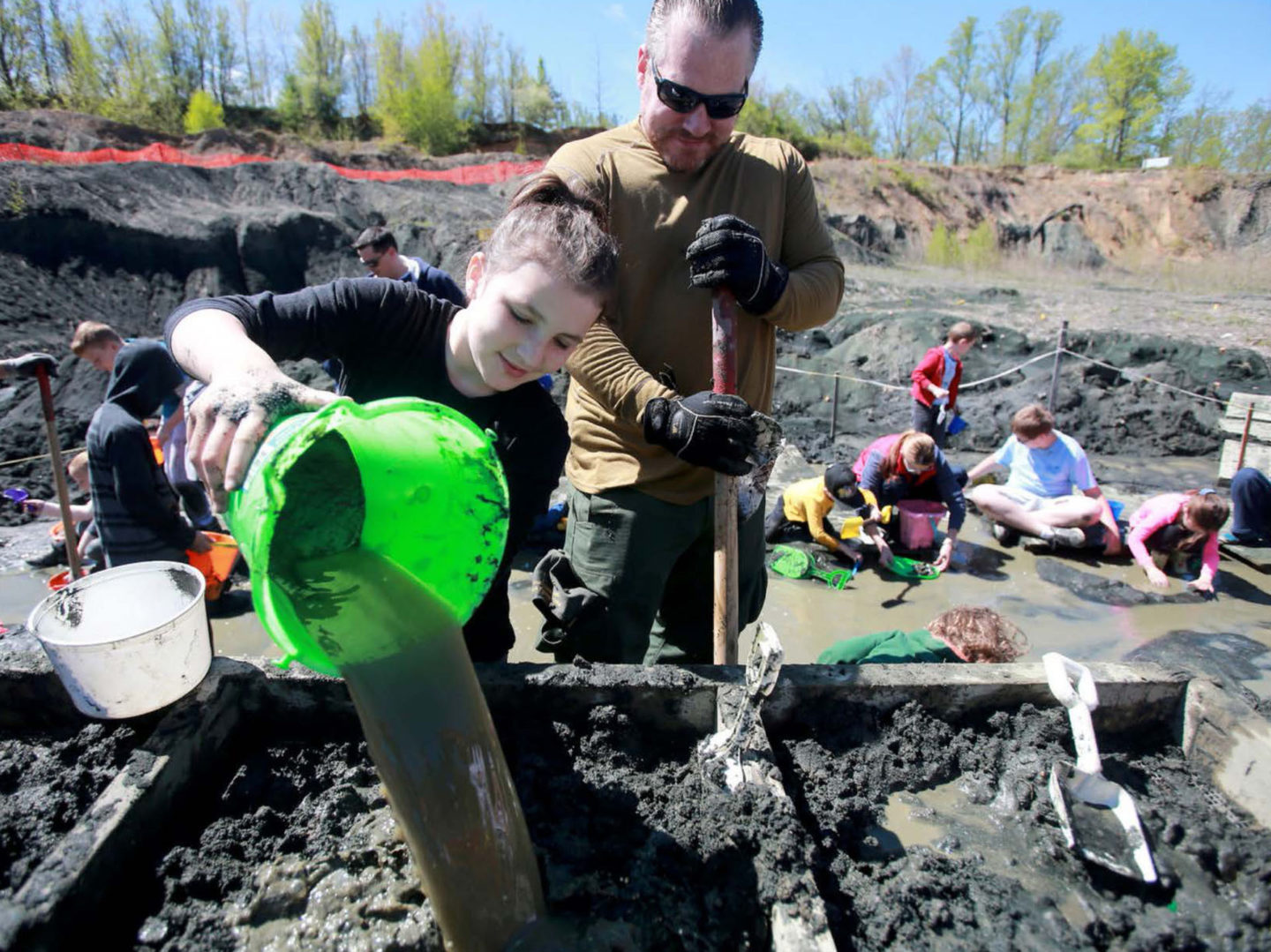
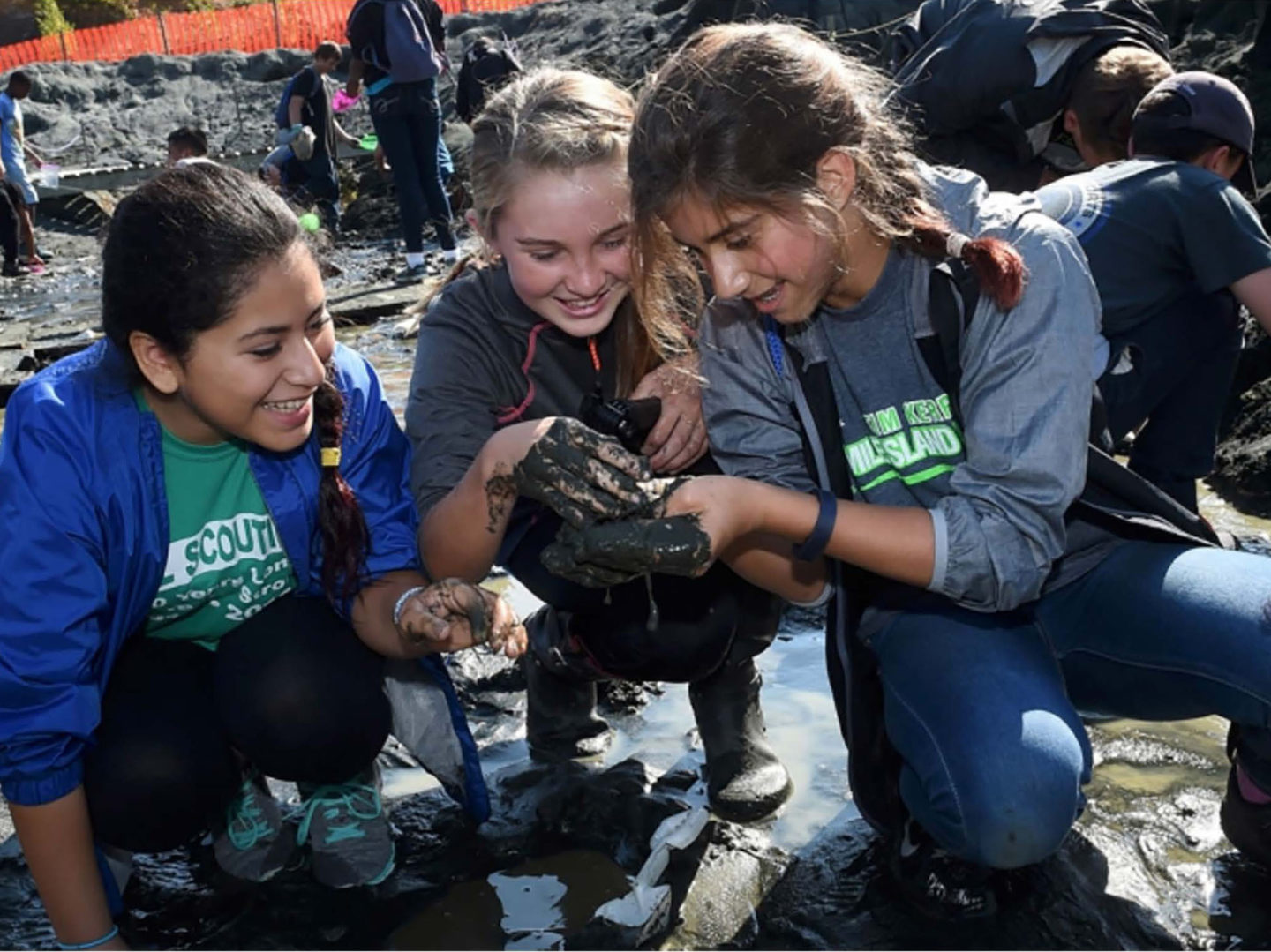
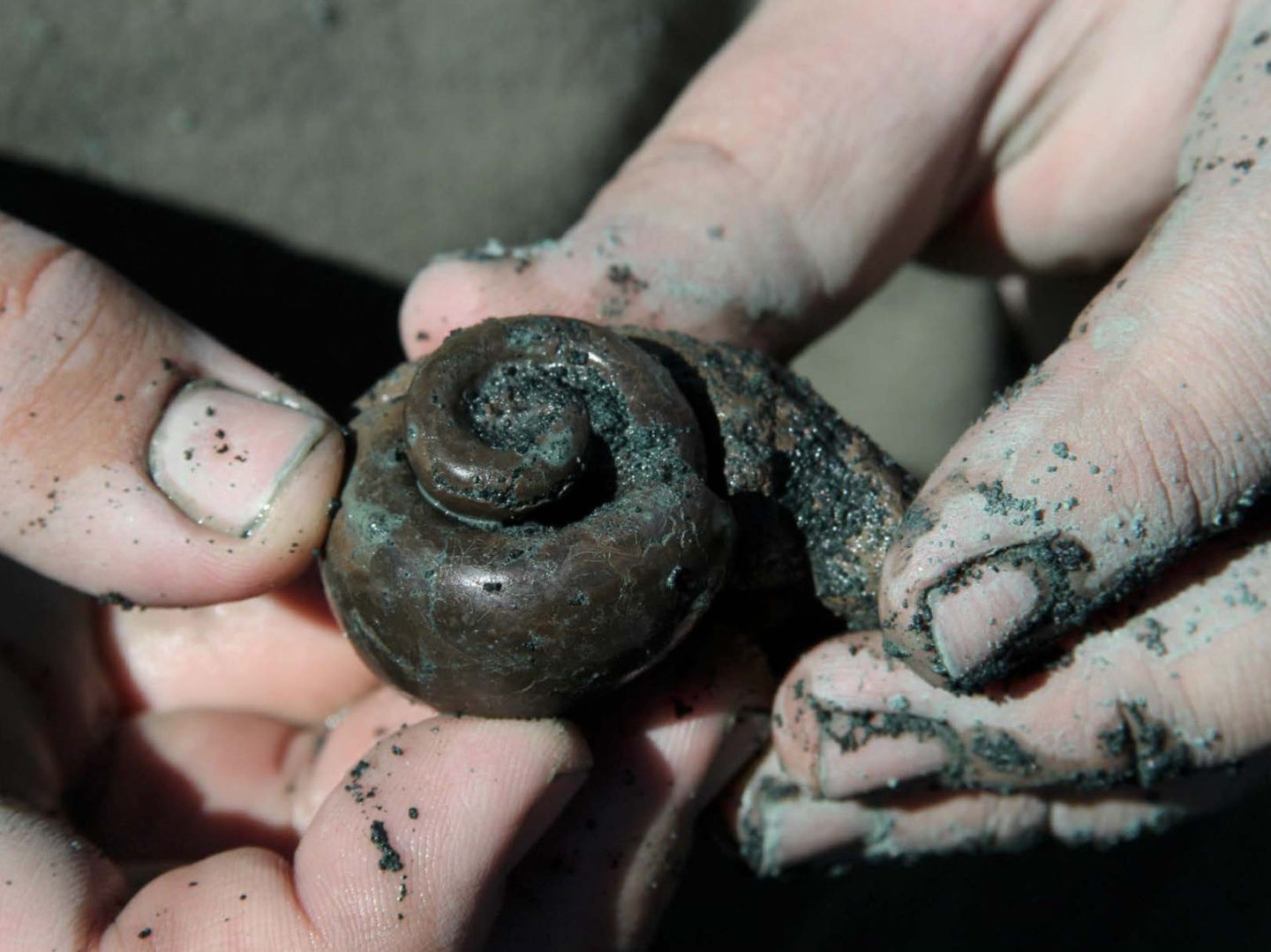
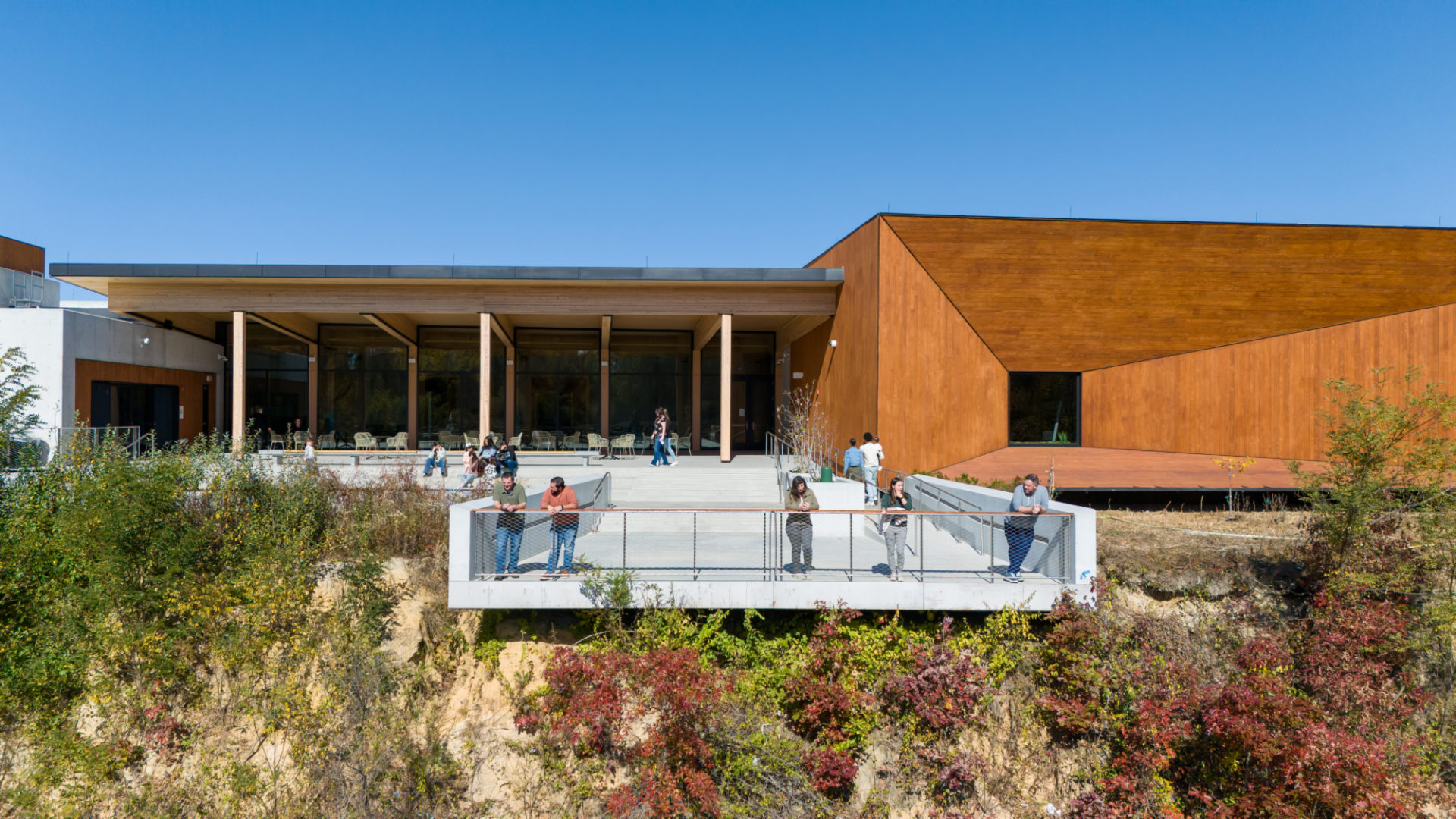
The museum is situated within an active dinosaur fossil dig site in Southern New Jersey which contains thousands of fossils and provides a view into life in the Cretaceous Period 66 million years ago. Once a shallow ocean environment, then used for mining for over a century, the site is now a 4-acre quarry, encompassed by a 123-acre property, where “citizen scientists” can dig for fossils, alongside leading paleontologists at Rowan University.
Research at the site, led by Dr. Kenneth Lacovara, founding executive director of the Edelman Fossil Park & Museum, is shedding light on ancient events that led to the world’s 5th mass extinction, during which the dinosaurs and 75% of species went extinct—a pivotal, calamitous moment that paved the way for the modern world as we know it.
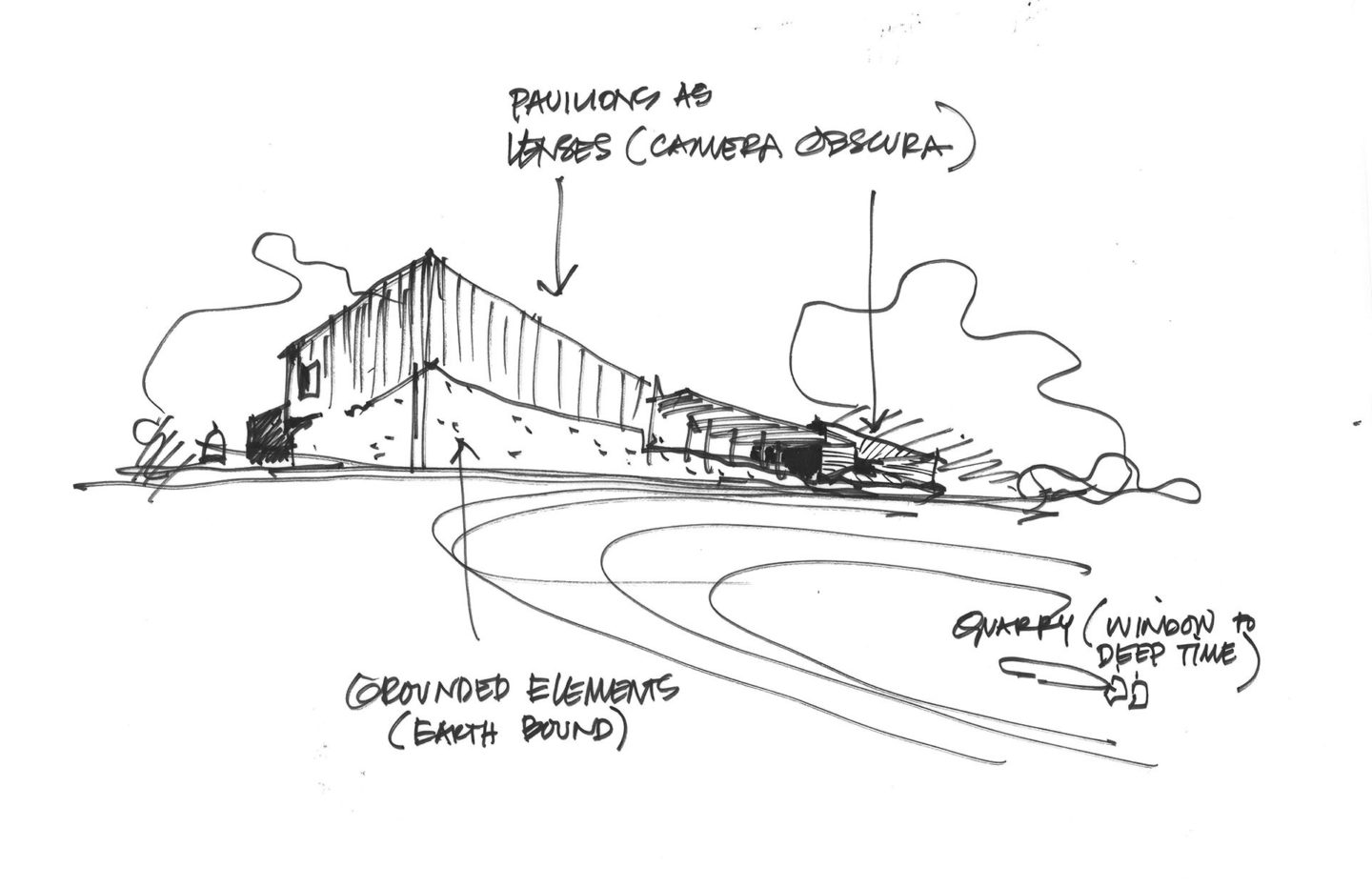
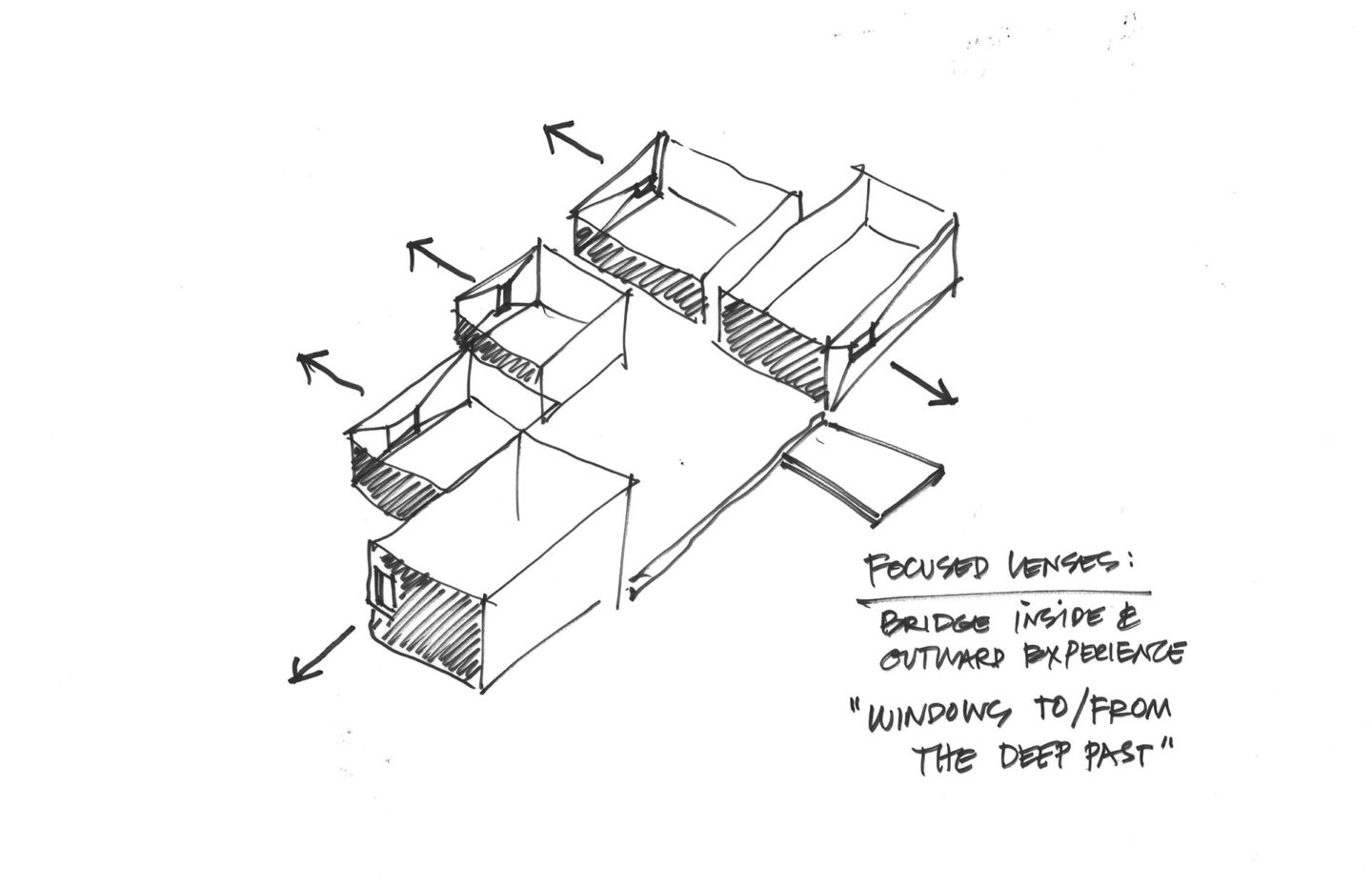
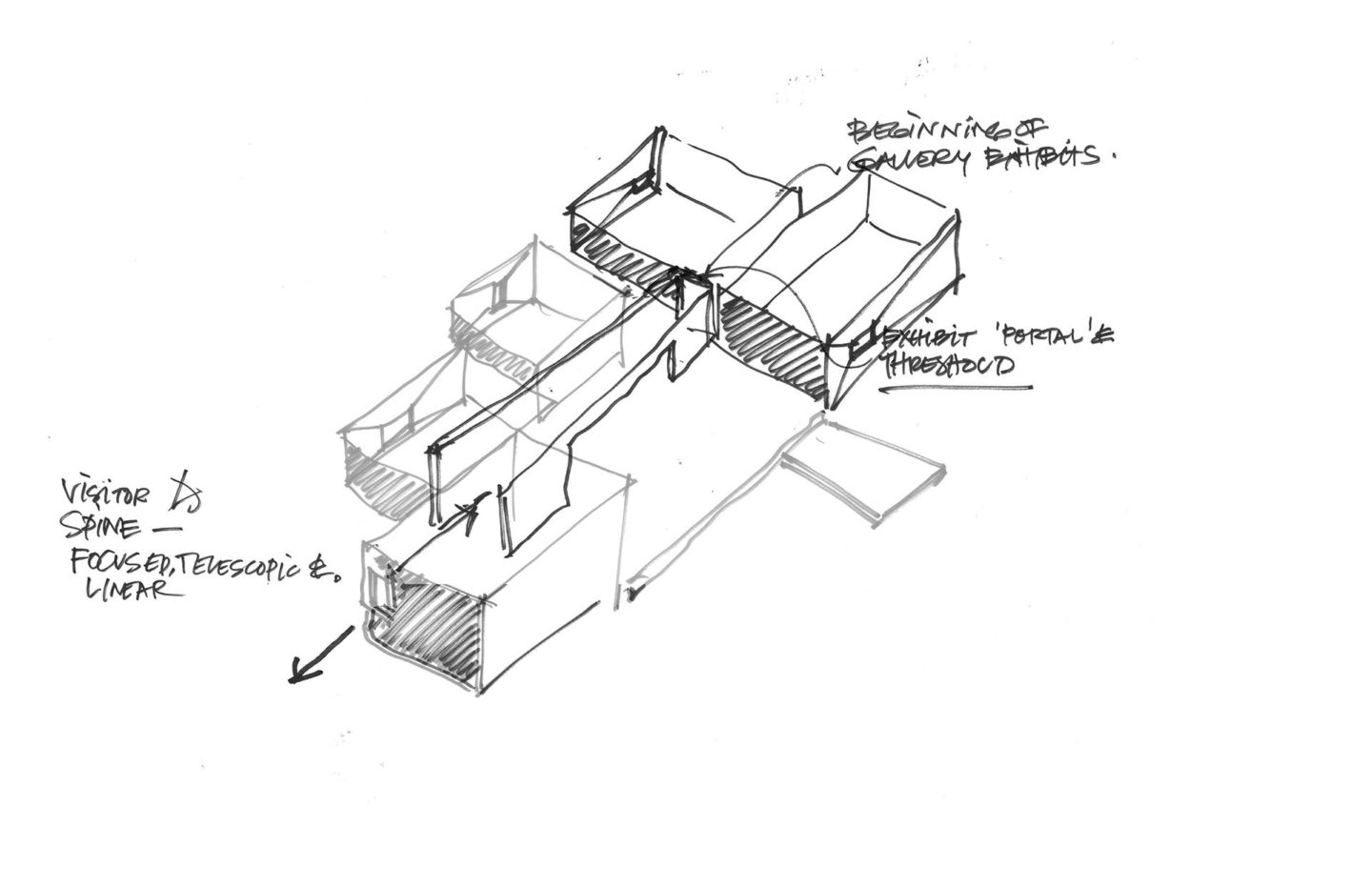
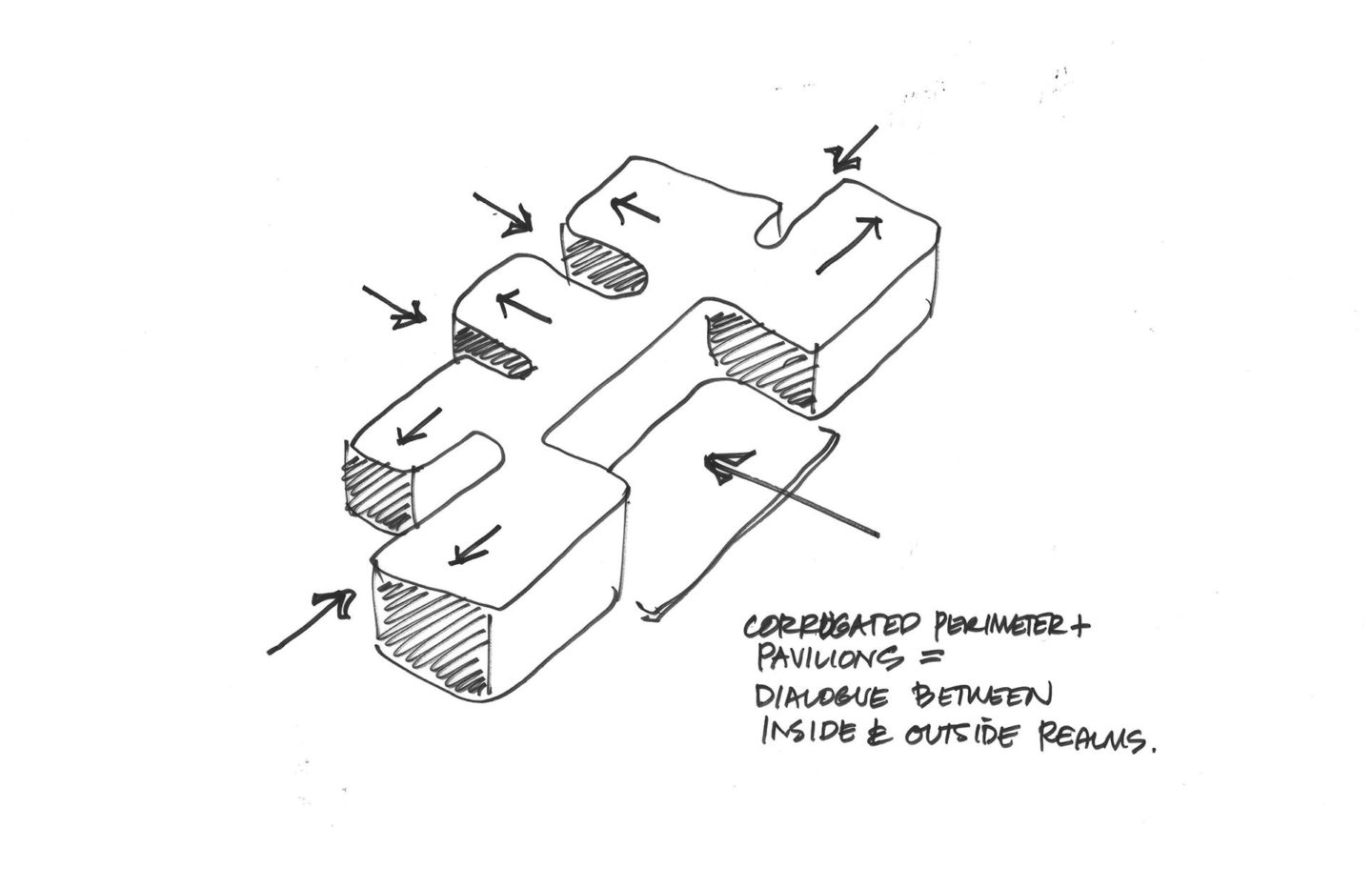
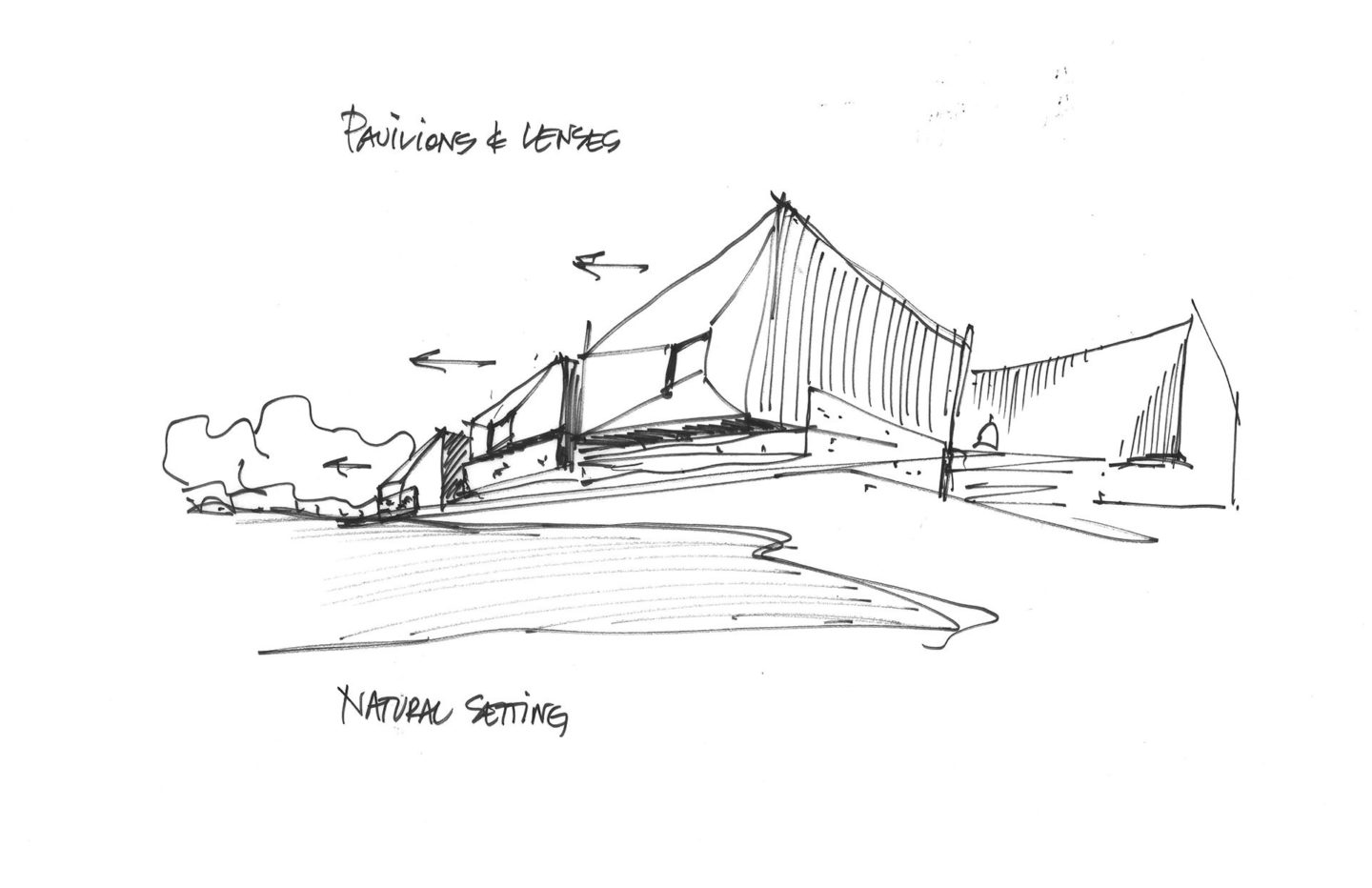
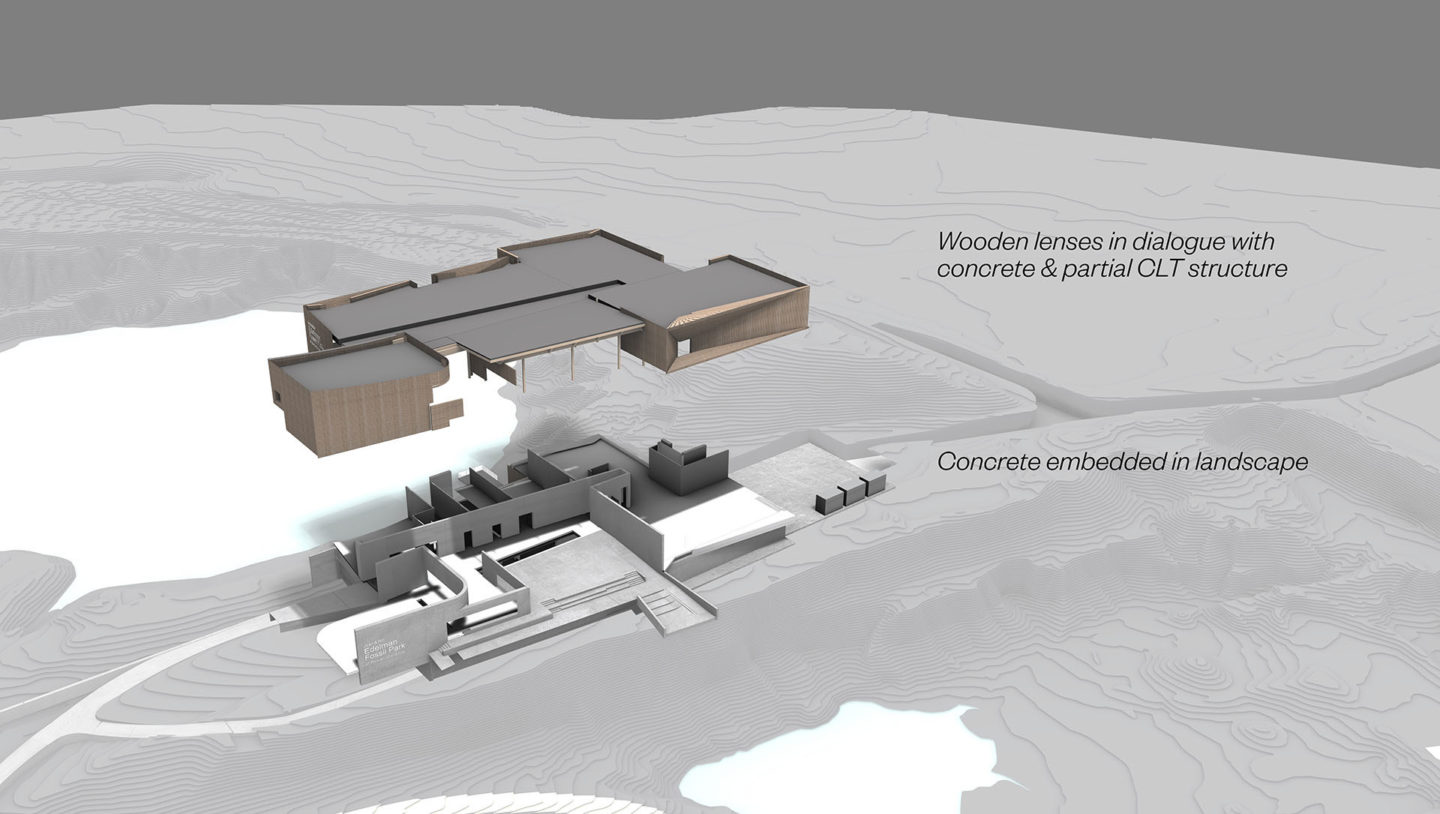
The design concept for this remarkable project was envisioned as a set of metaphorical camera obscuras, an apparatus in which a tiny aperture offers a view to a realm beyond. The site itself, the experience, and the architecture, are all envisioned as a series of lenses that link deep time with the present, exhibits with the quarry, and ultimately provide a view to our collective future given the ongoing human-caused sixth mass extinction. The renewed perspective on humanity offered by the fossil record inspired an architecture that nestles within the natural landscape as a series of small-scale pavilions that frame the evidence of past worlds, while encouraging engagement with the present moment.
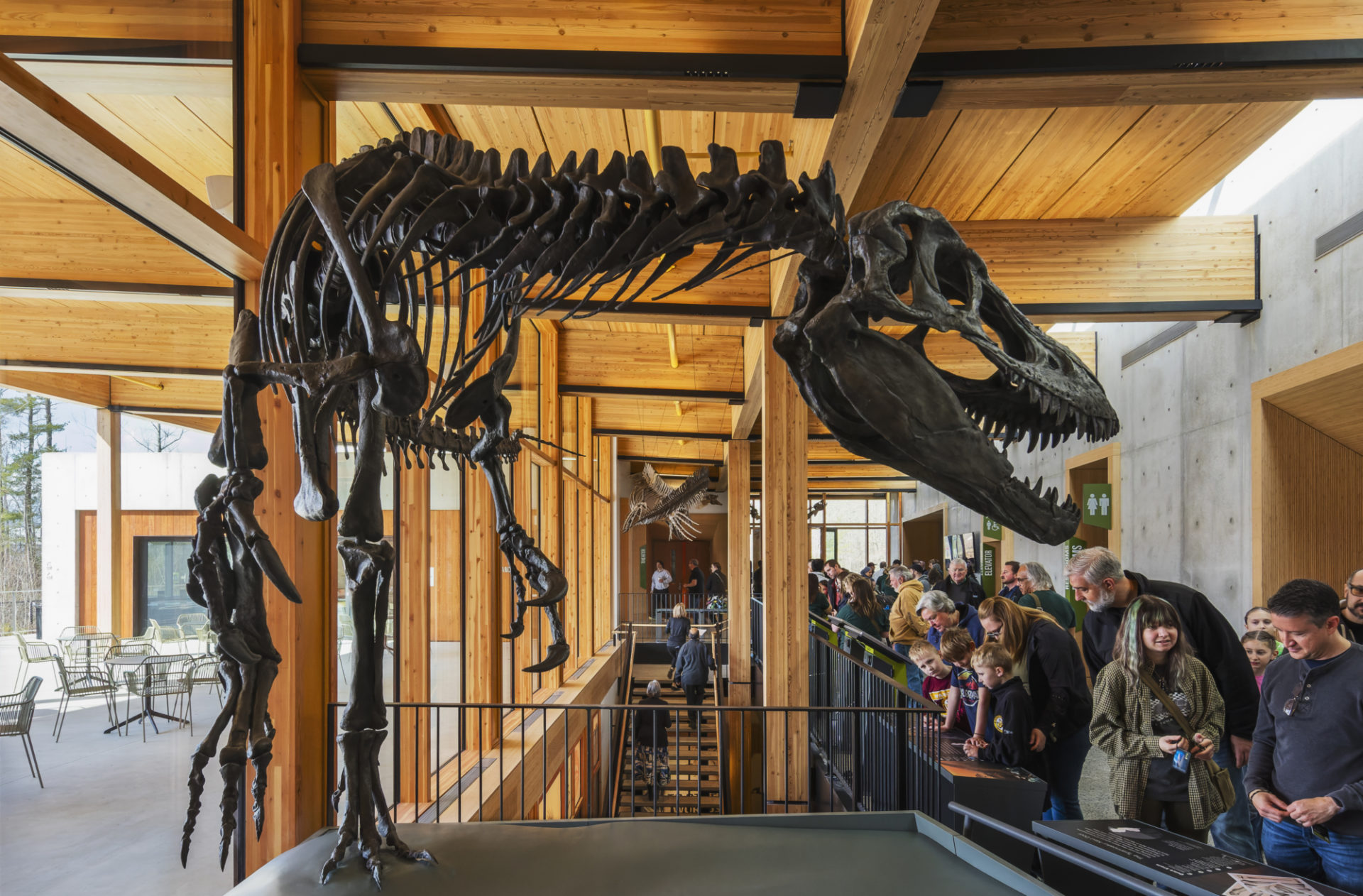
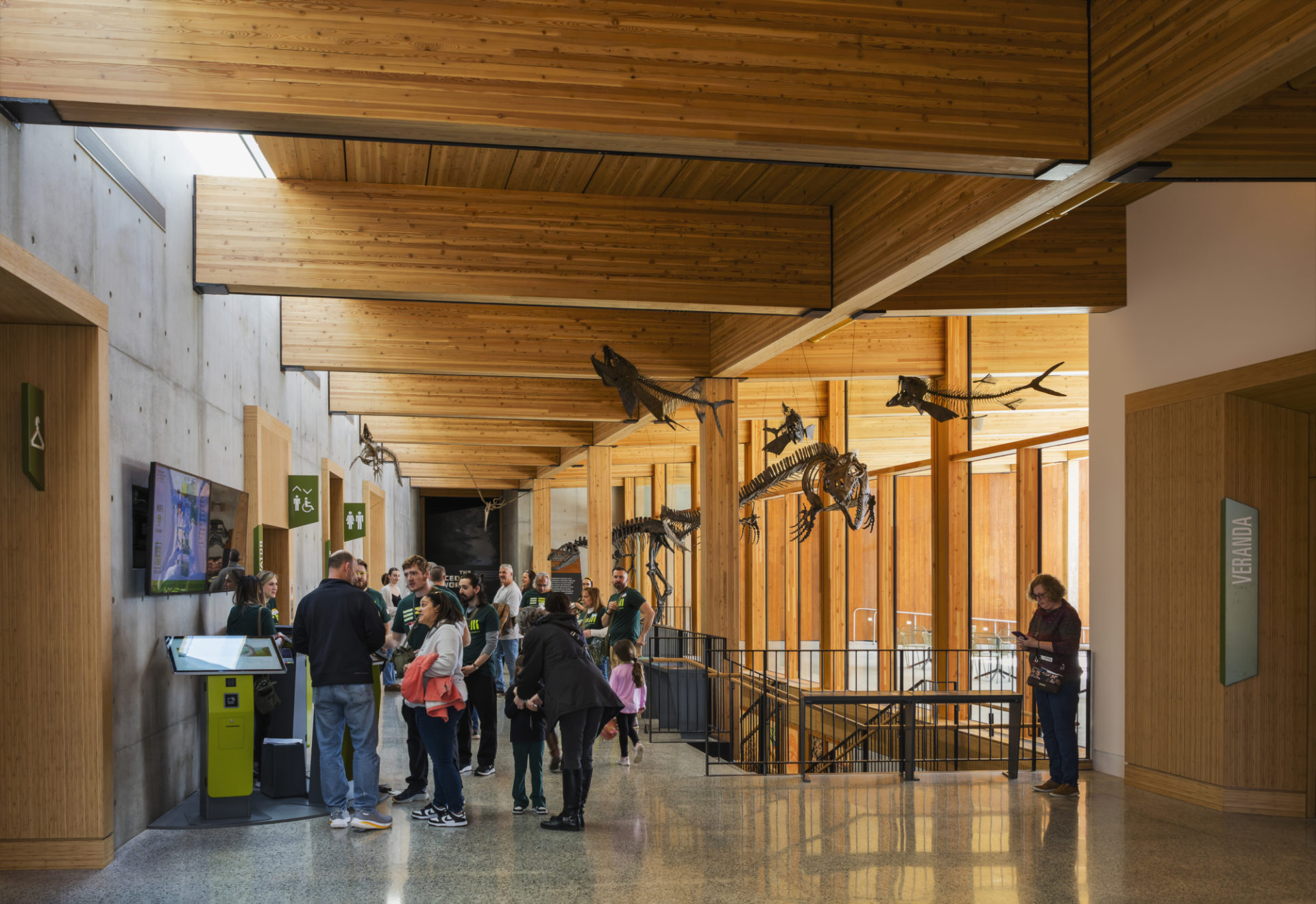
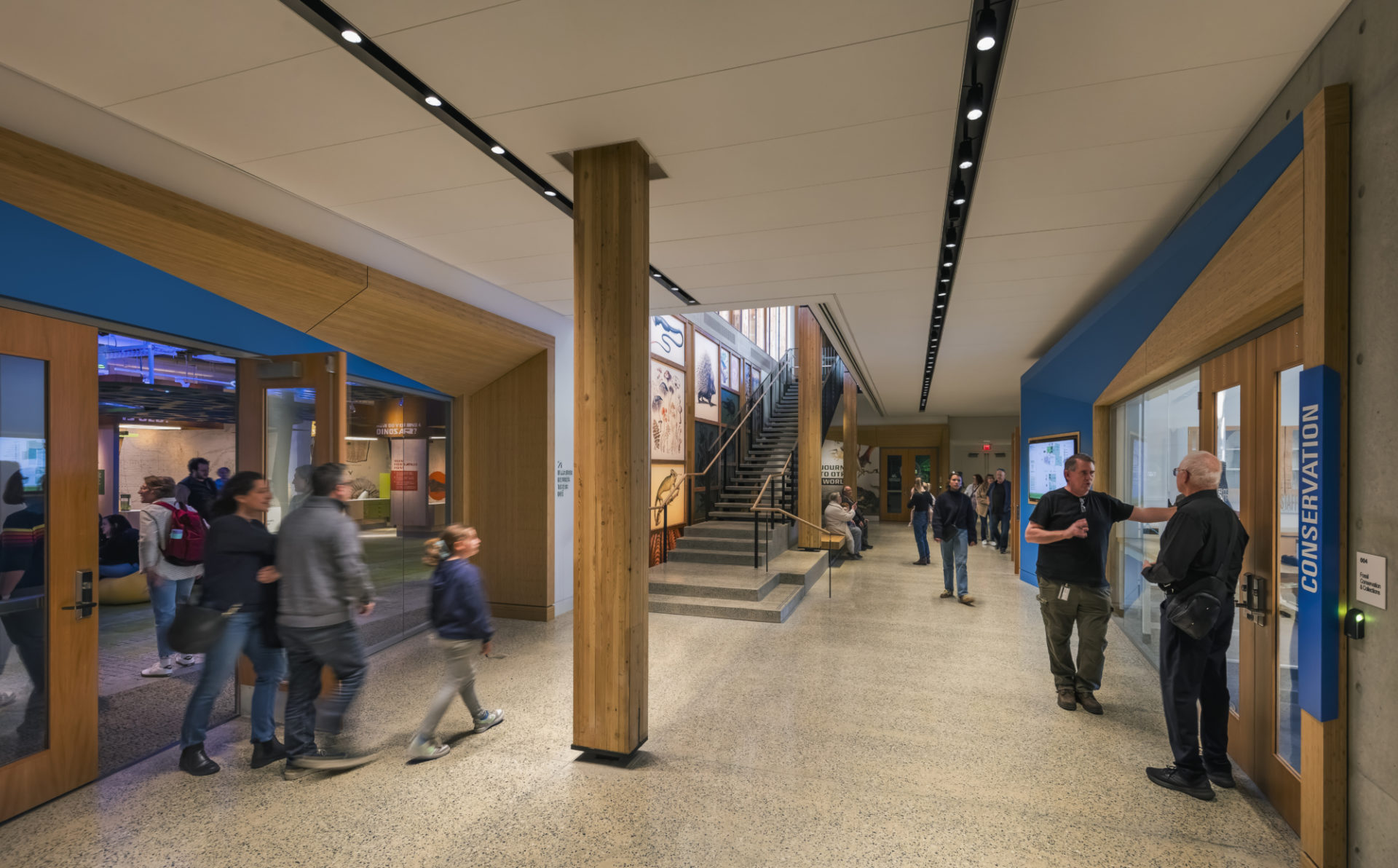
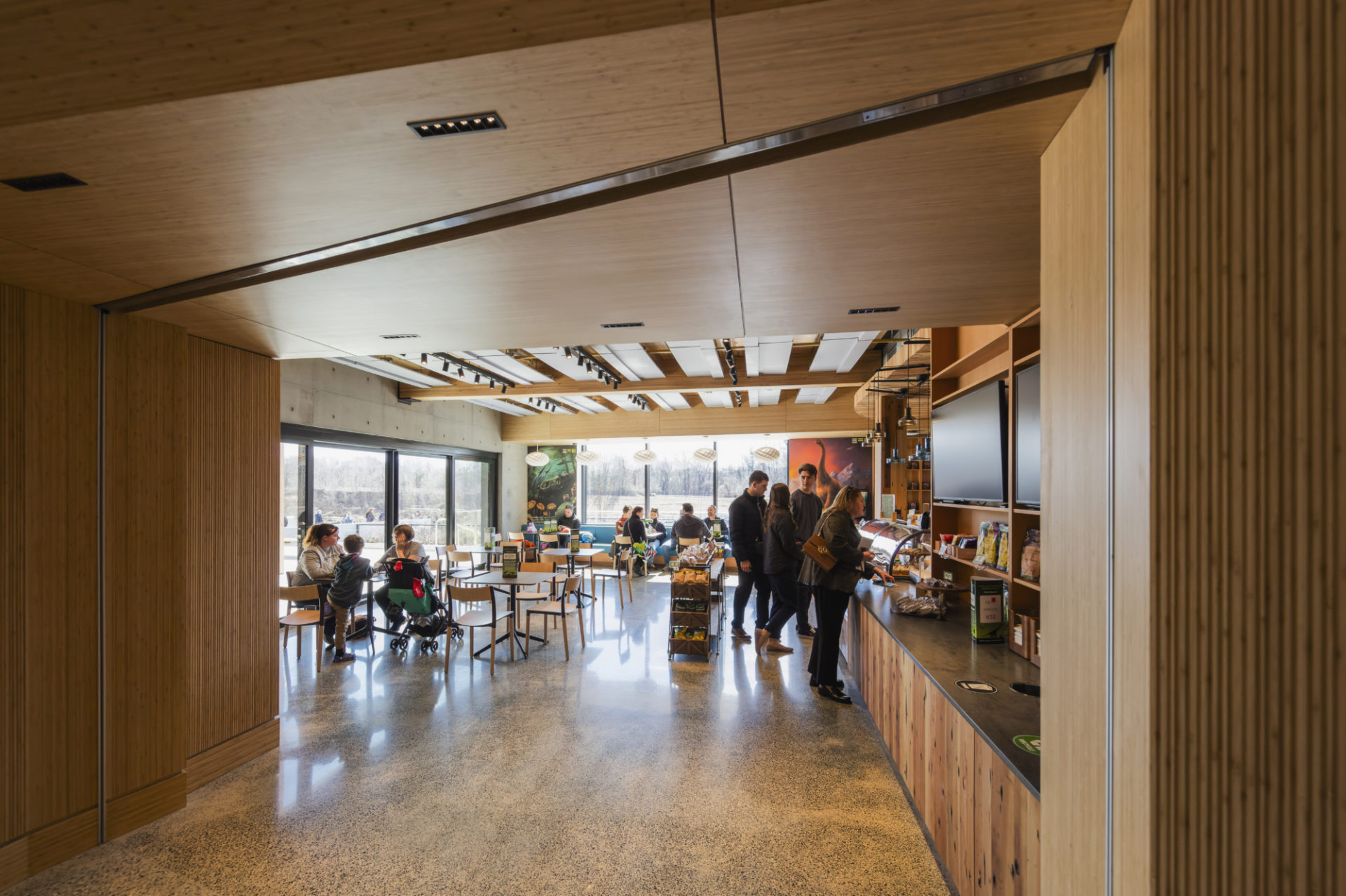
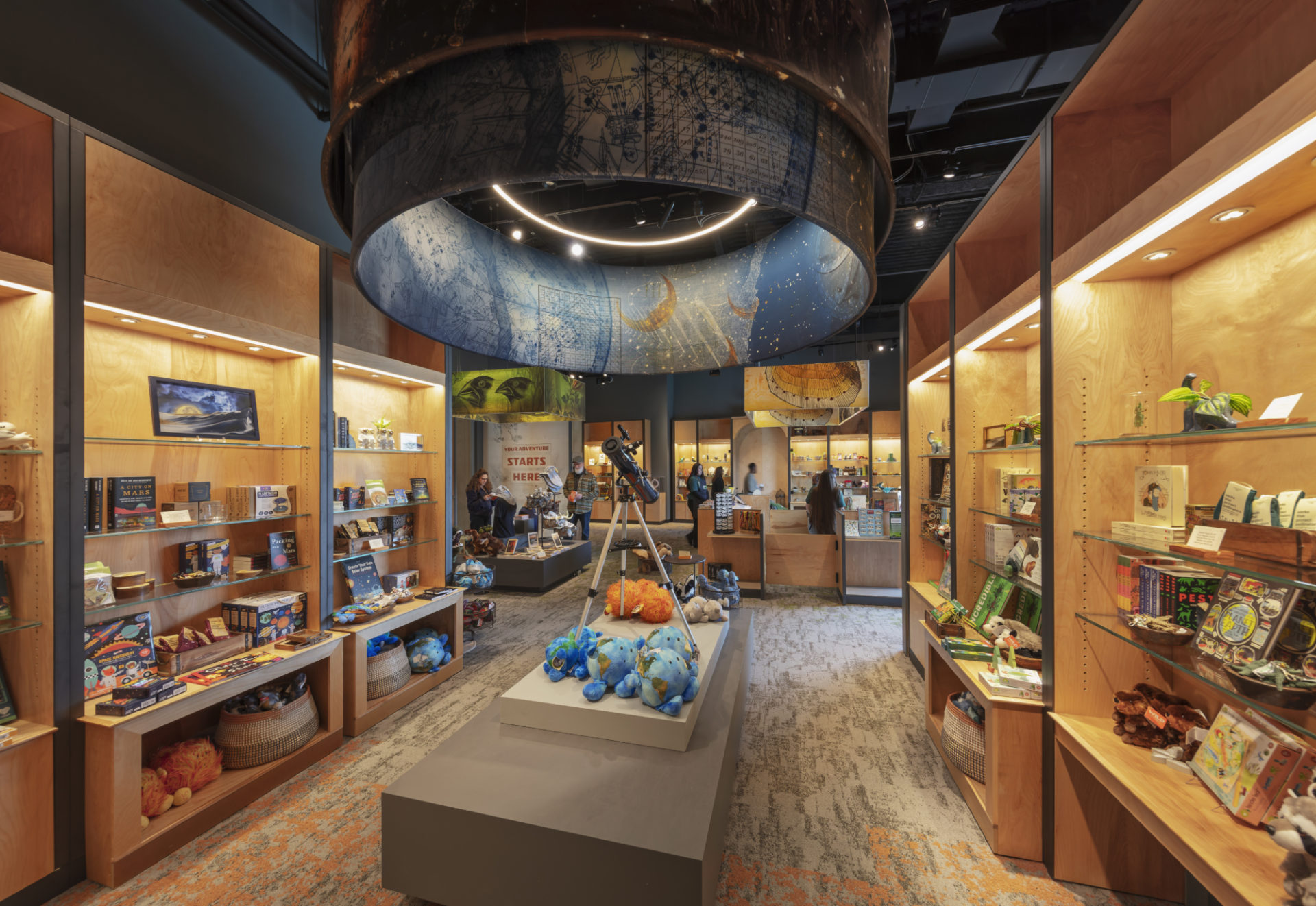
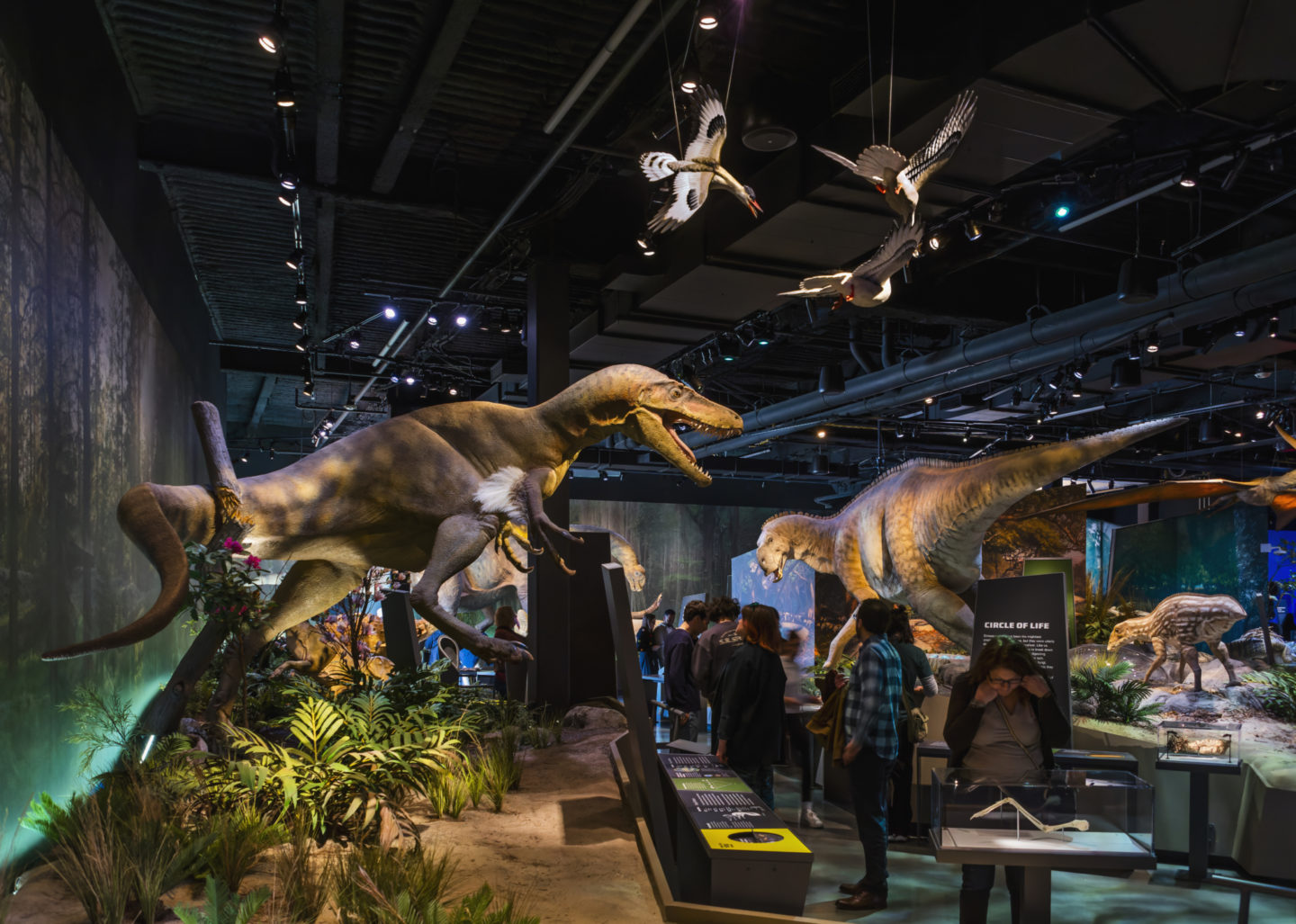
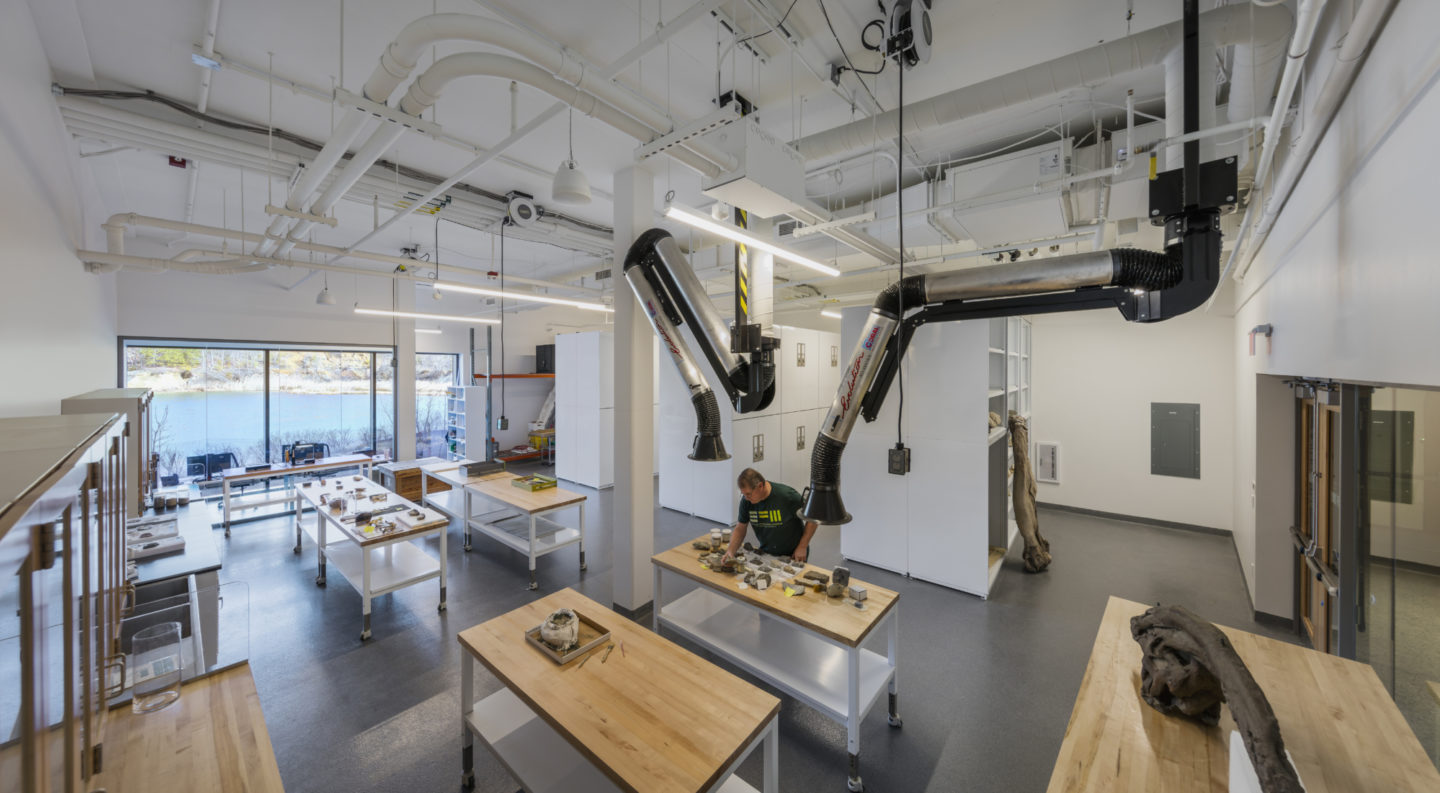
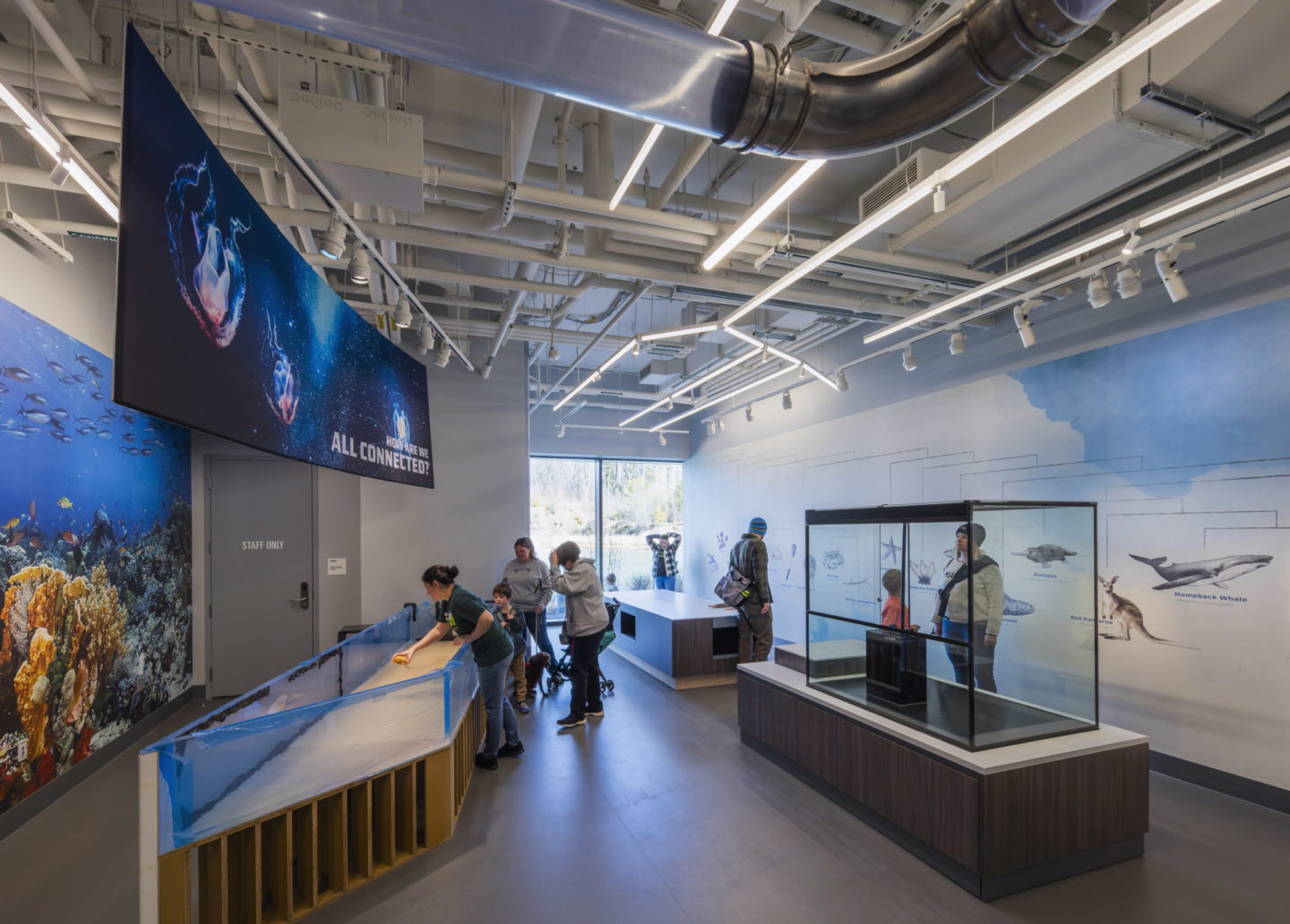
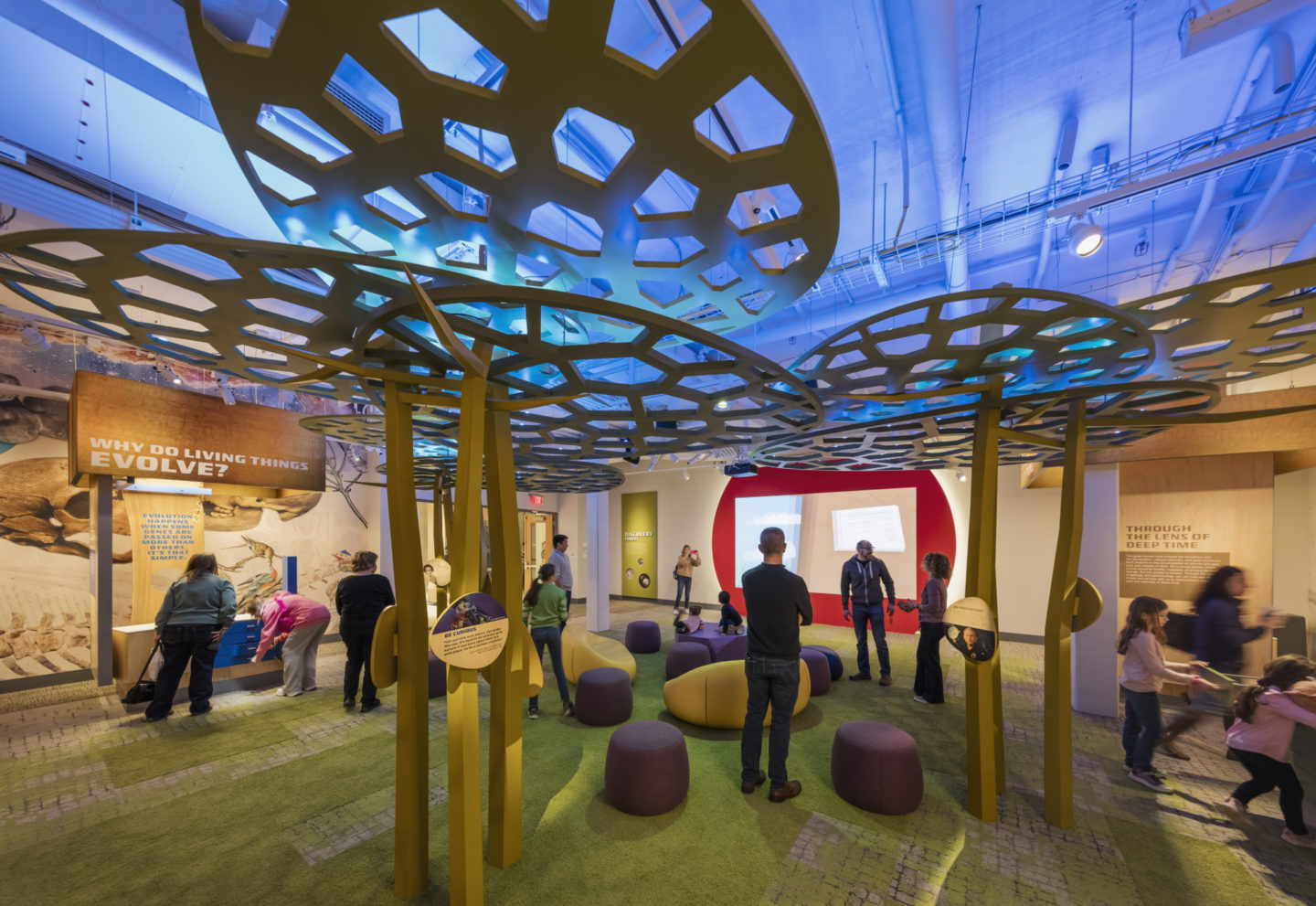
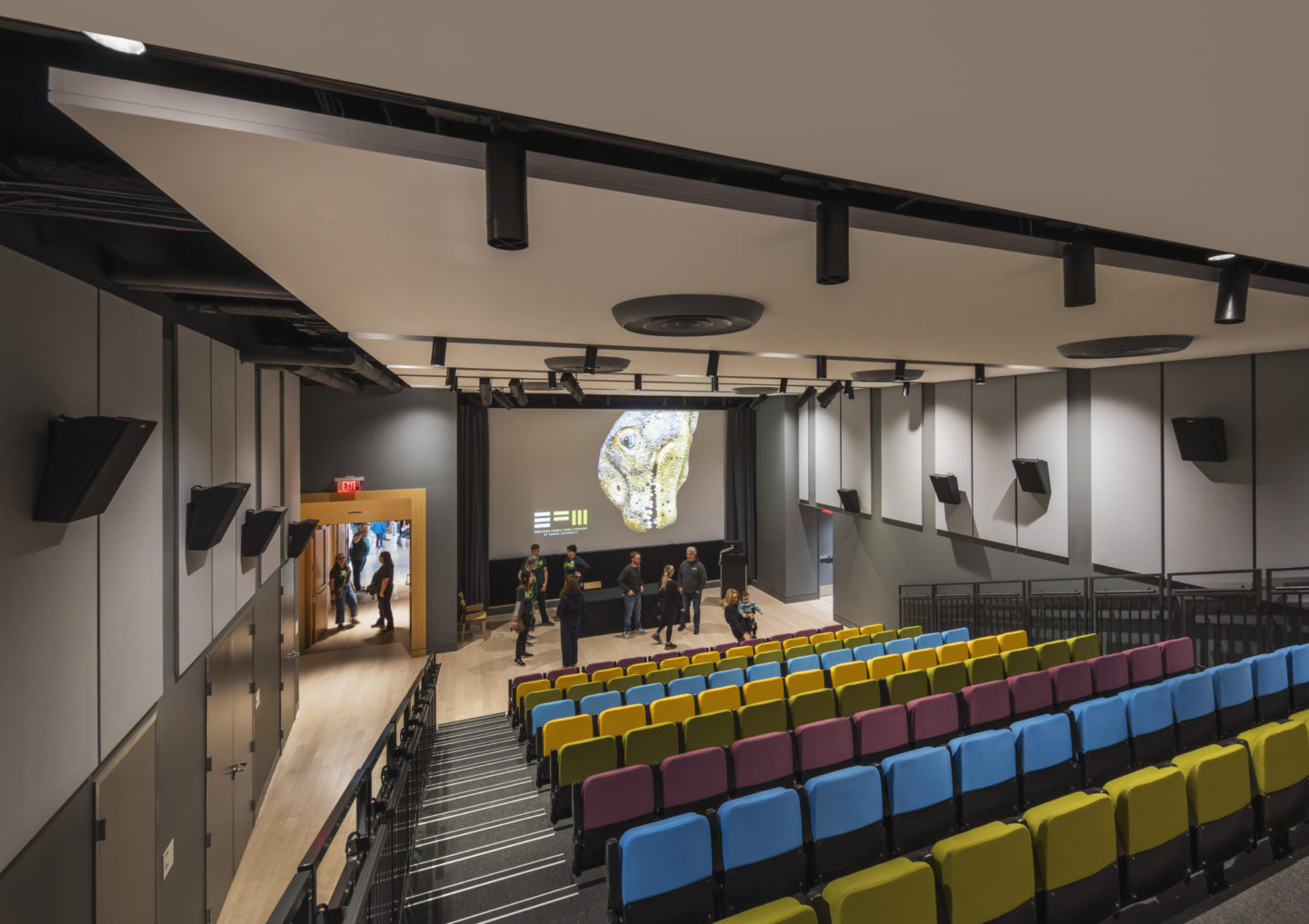
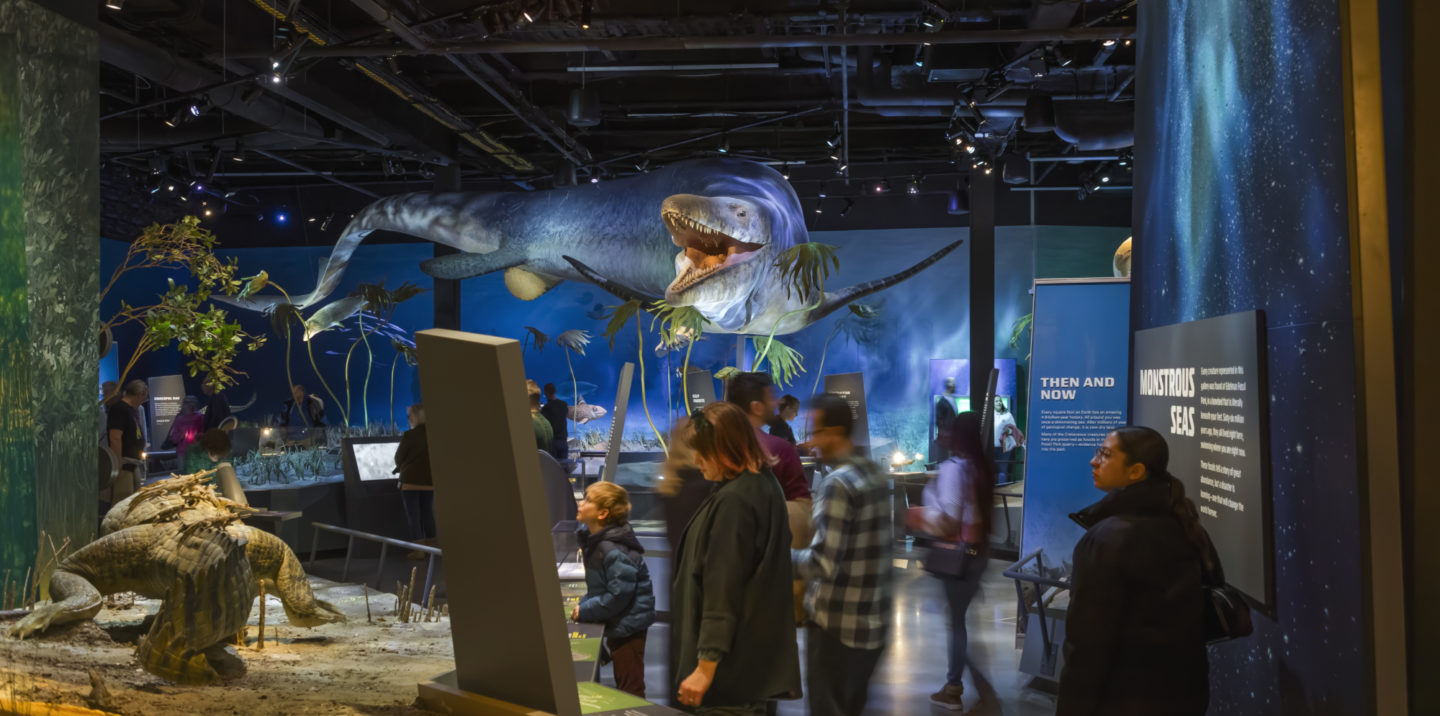
At 44,000 square feet, the museum acts as a learning and research center as well as an exhibit experience, with laboratory space and programs geared to both paleontologists and “citizen scientists”. The museum will feature three immersive galleries with fossils from the late Cretaceous period, full-scale reconstructions of extinct creatures, hands-on learning experiences, live animal attractions, virtual reality, connections to the natural world, and community gathering spaces.
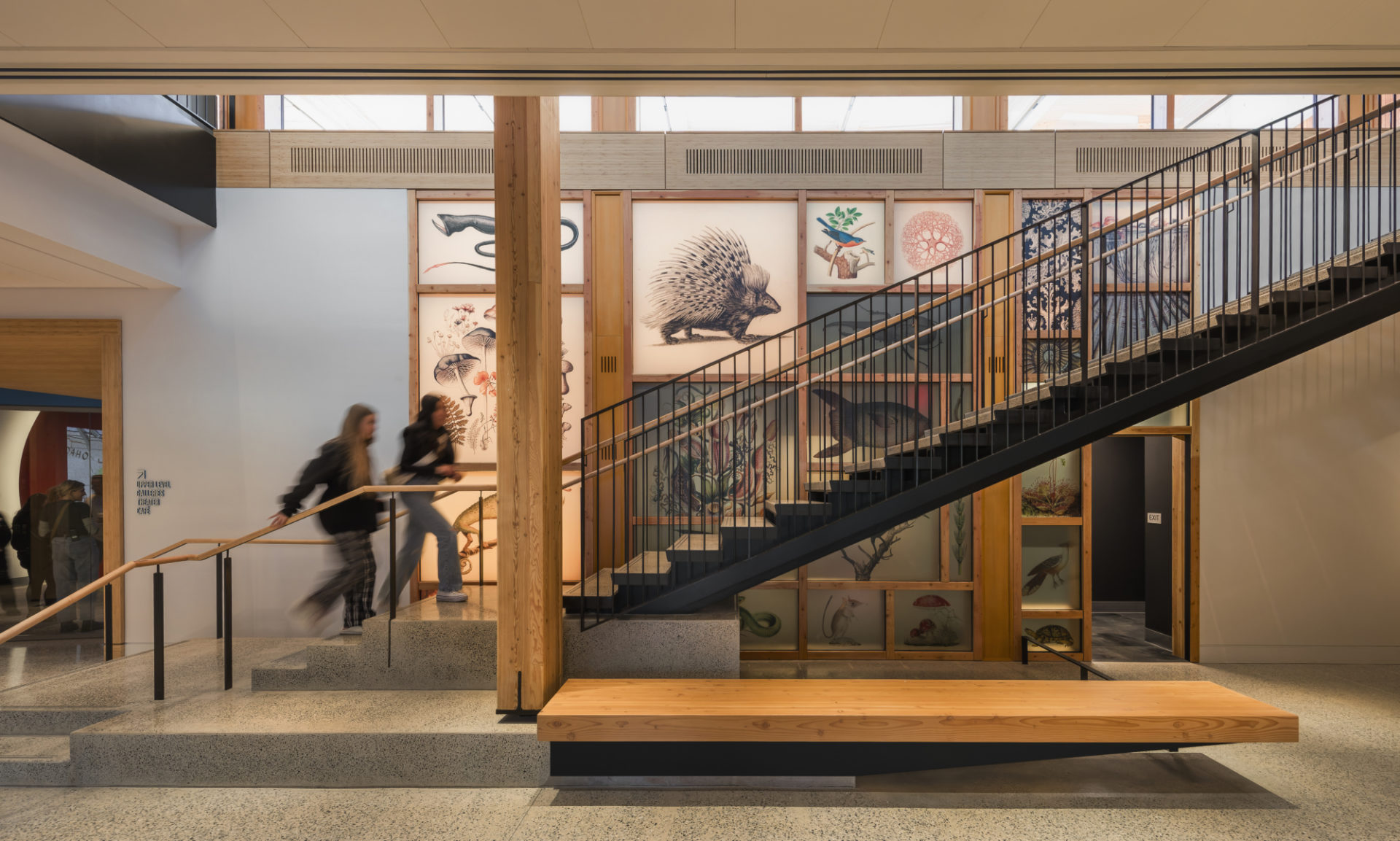
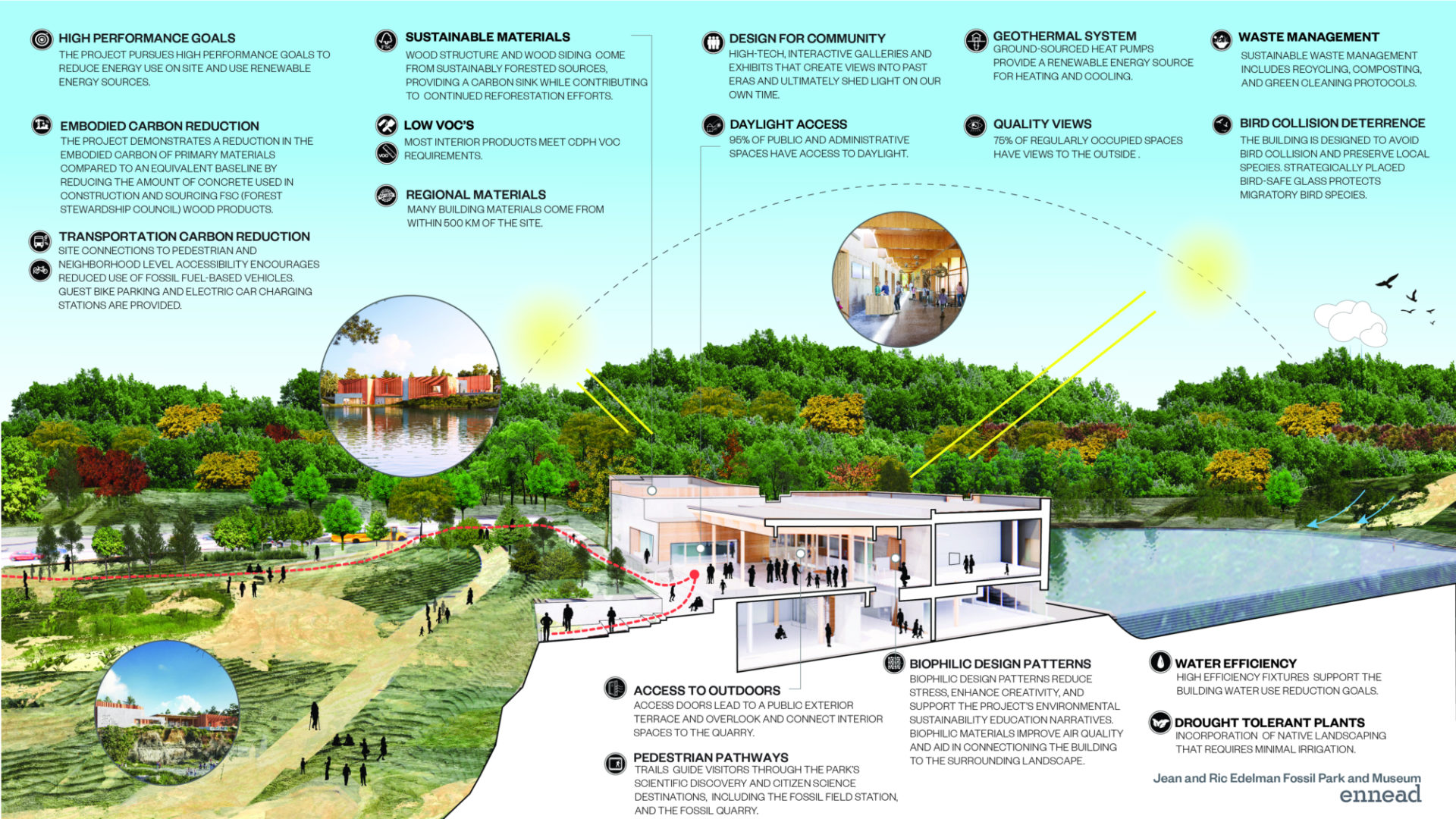
Aligning with the museum’s mission, one of the project’s primary goals is to encourage environmental stewardship through both education and the demonstration of sustainability through a high-performance building, which will be one of New Jersey’s largest public carbon net-zero facilities. Utilizing the Living Building Challenge as a guide through design, the project incorporates both passive and active measures, featuring geothermal wells for ground-source heating and cooling systems, an all-electric building, and a power purchase agreement for green energy available in New Jersey’s power grid. No fossil fuels will be combusted for museum operations and no greenhouse gasses will be released into the atmosphere. In addition, the surrounding grounds will restore plant and animal habitat, and bird-safe glazing protects from bird collisions. The building utilizes a hybrid heavy-timber structure as well as wood cladding to maximize the use of renewable materials and to sequester carbon.