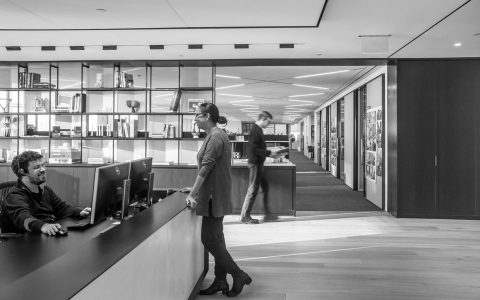
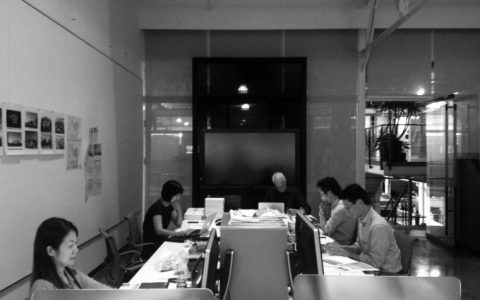
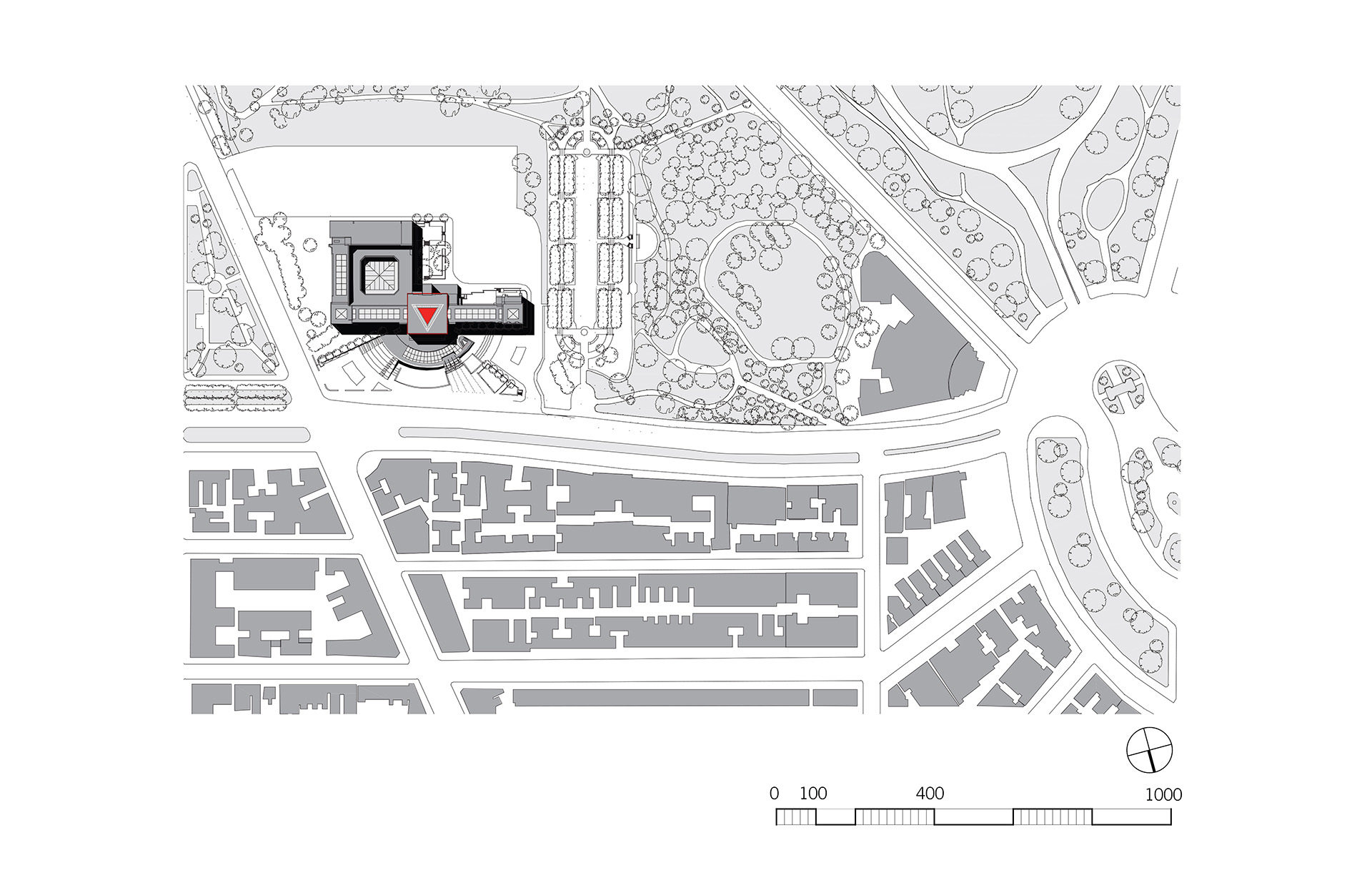
The Sackler Center creates a powerful identity and presence within the Brooklyn Museum, defining a place for a seminal work of art and giving permanent voice to a woman’s point of view.
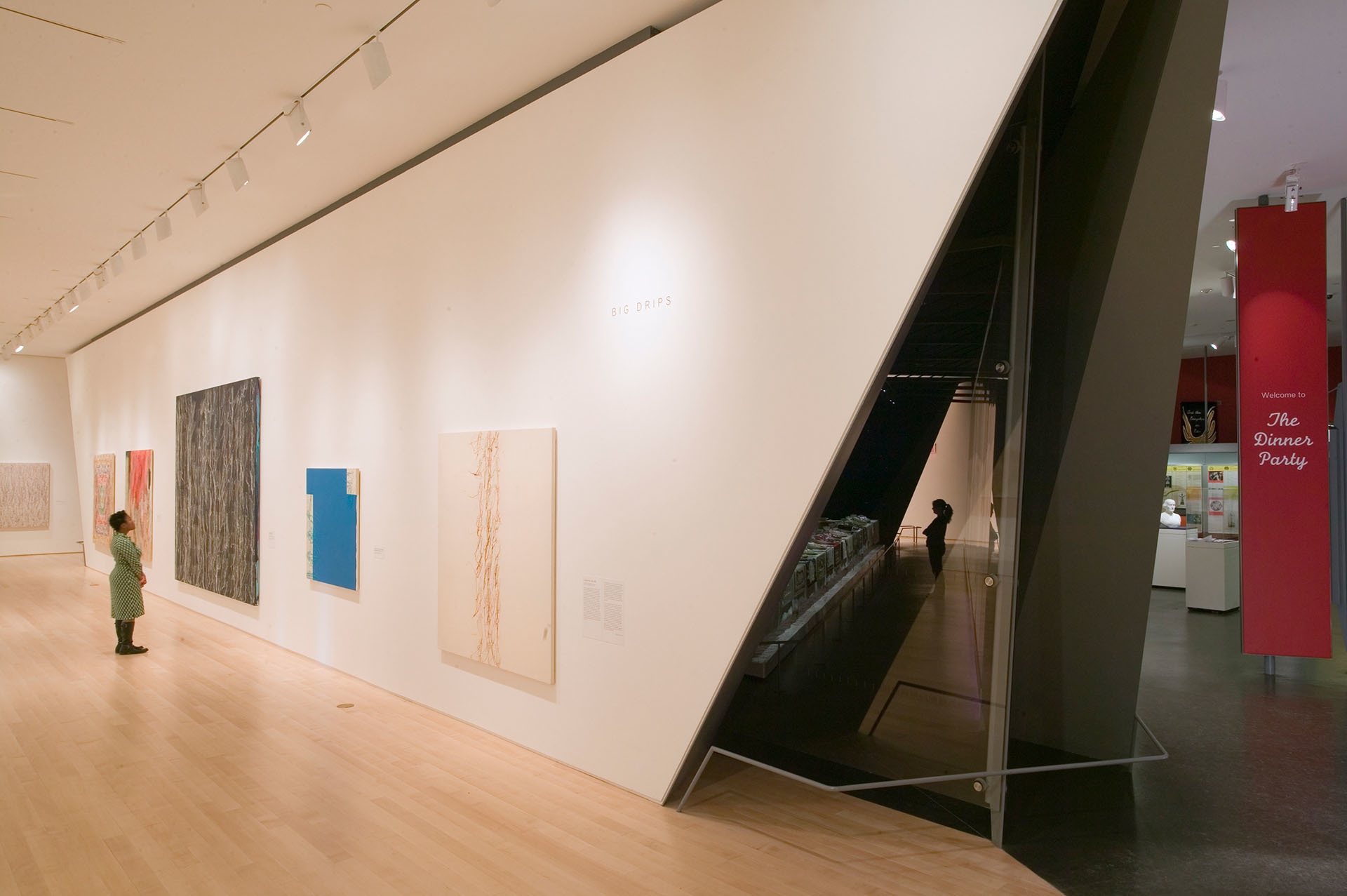
The design strategy intentionally opposes the ‘white box’ gallery approach typically applied to housing contemporary art. Instead, the architecture actively engages the art, with the distinct purpose of deepening the visitor’s appreciation of and connection to it.
Susan T. Rodriguez, Design Partner
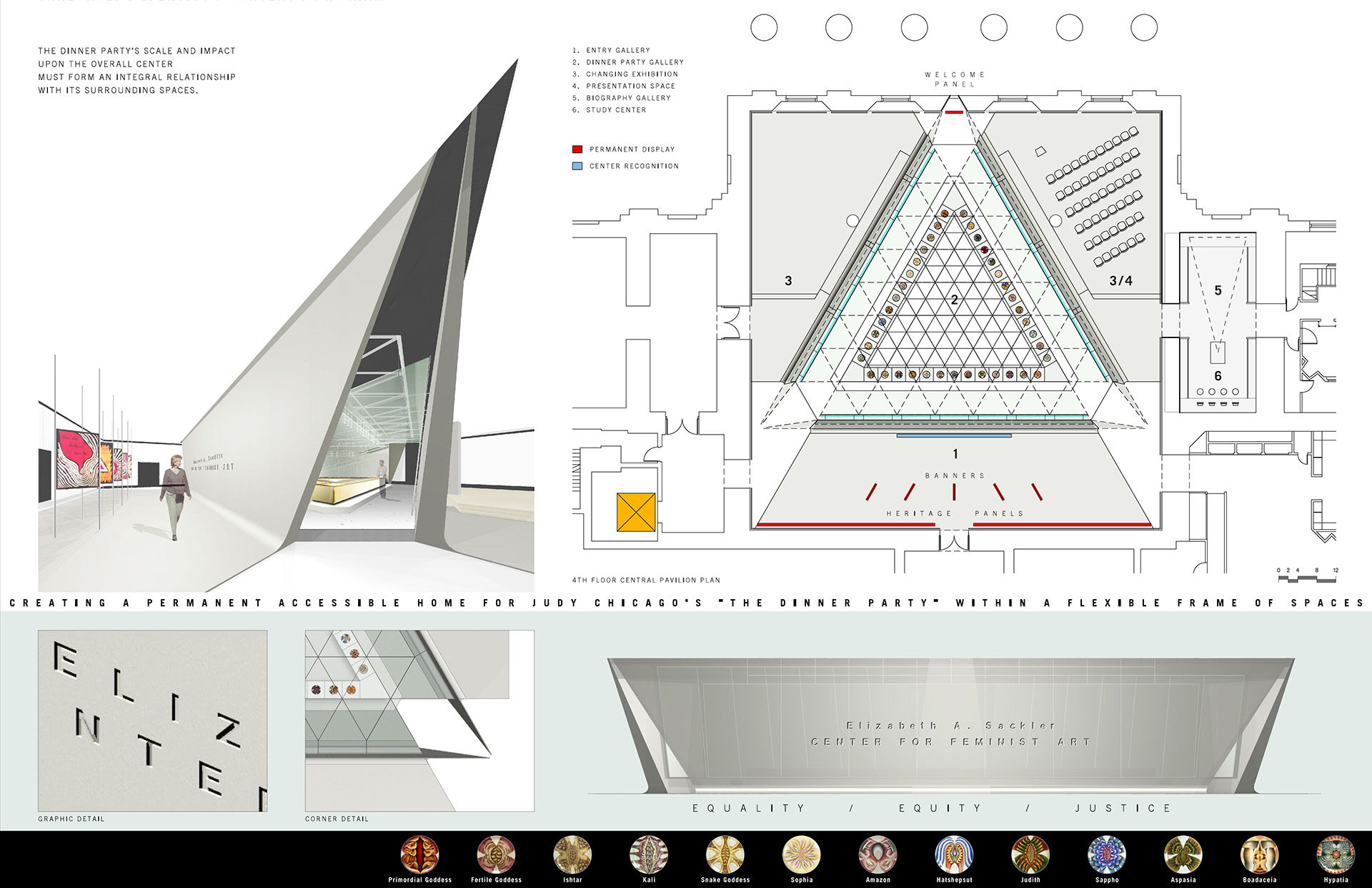
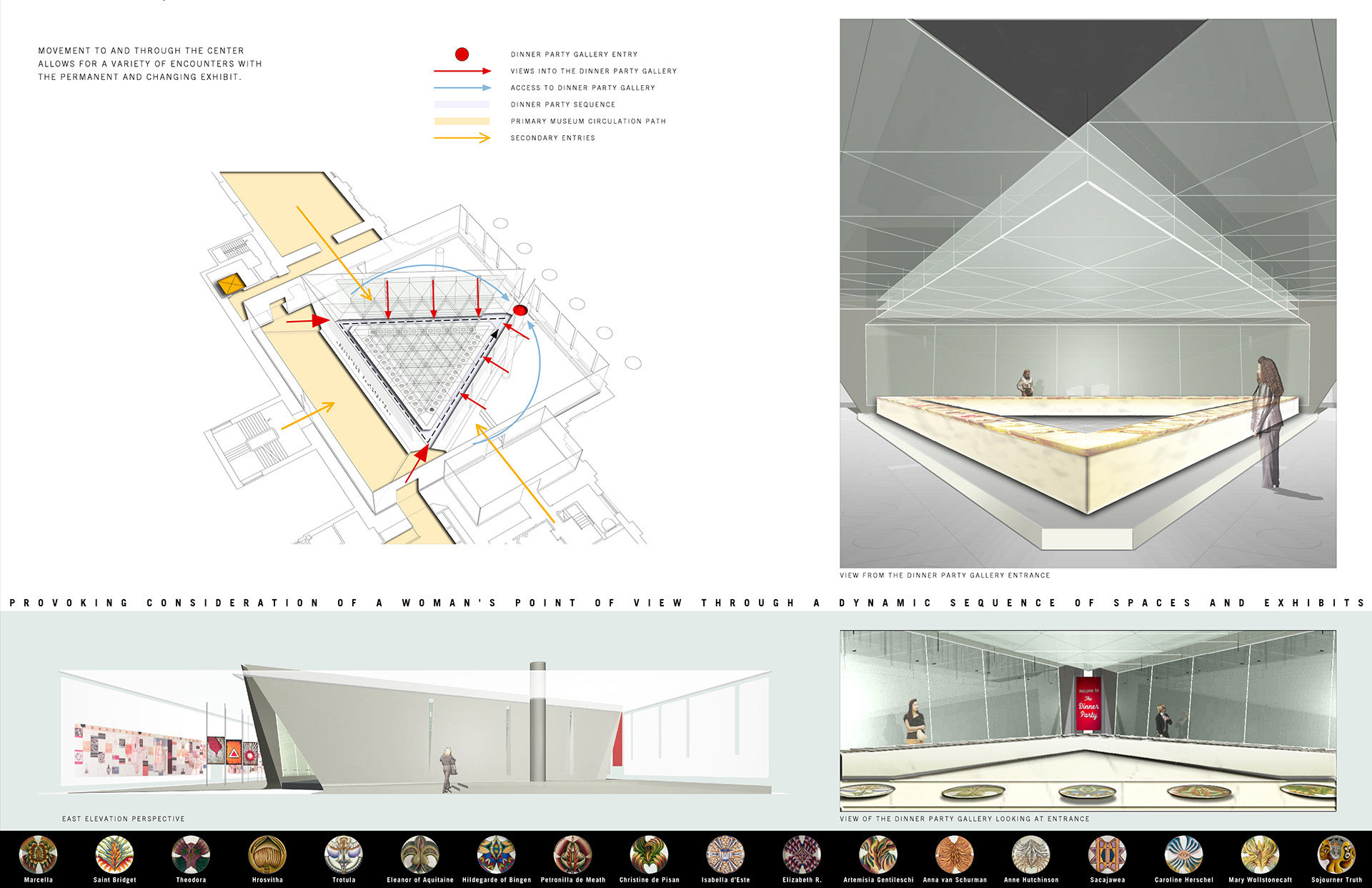
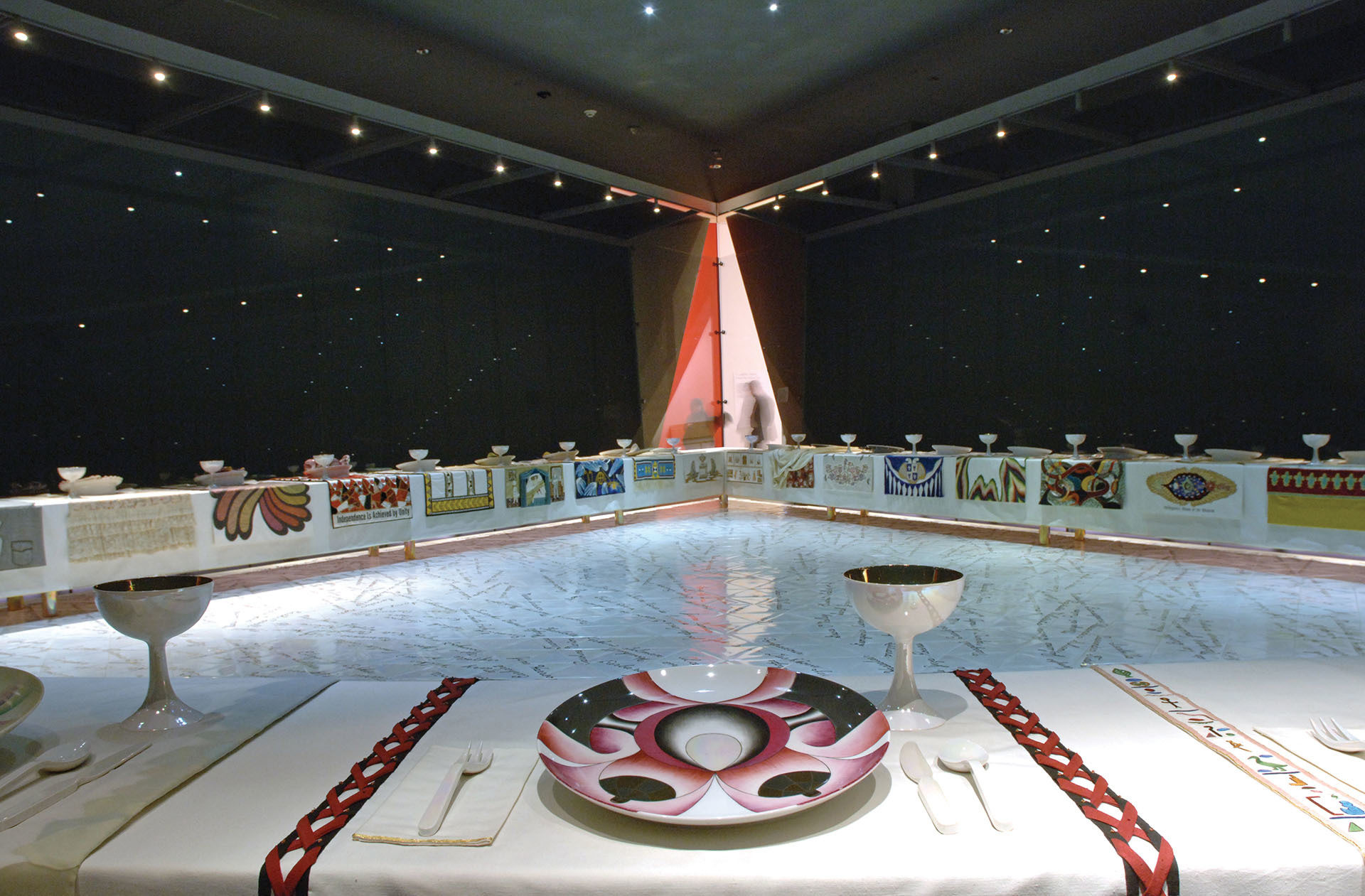
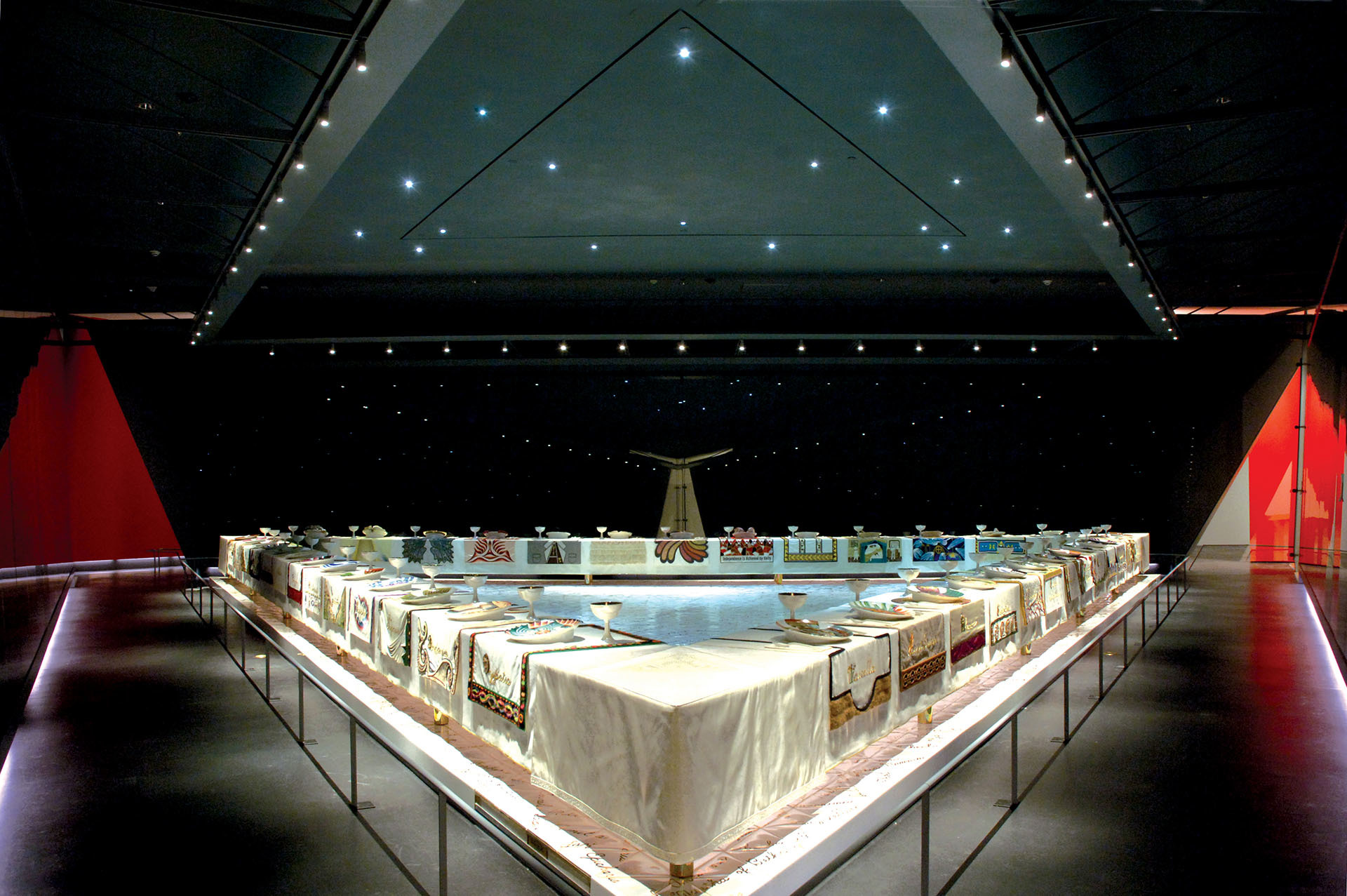
The design for the Elizabeth A. Sackler Center for Feminist Art responds to the Center’s mission to present feminism in an accessible and relevant way. A carefully choreographed sequence of spaces draws the visitor into the gallery to participate in and become part of the centerpiece of the project – “The Dinner Party,” notable for elevating “female achievement in Western history to a heroic scale traditionally reserved for men.”
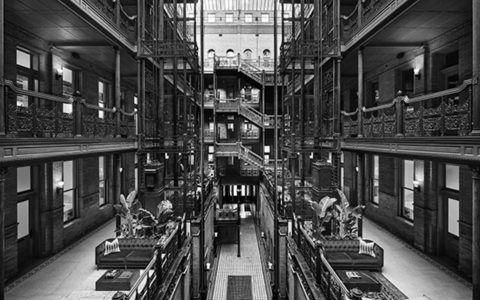
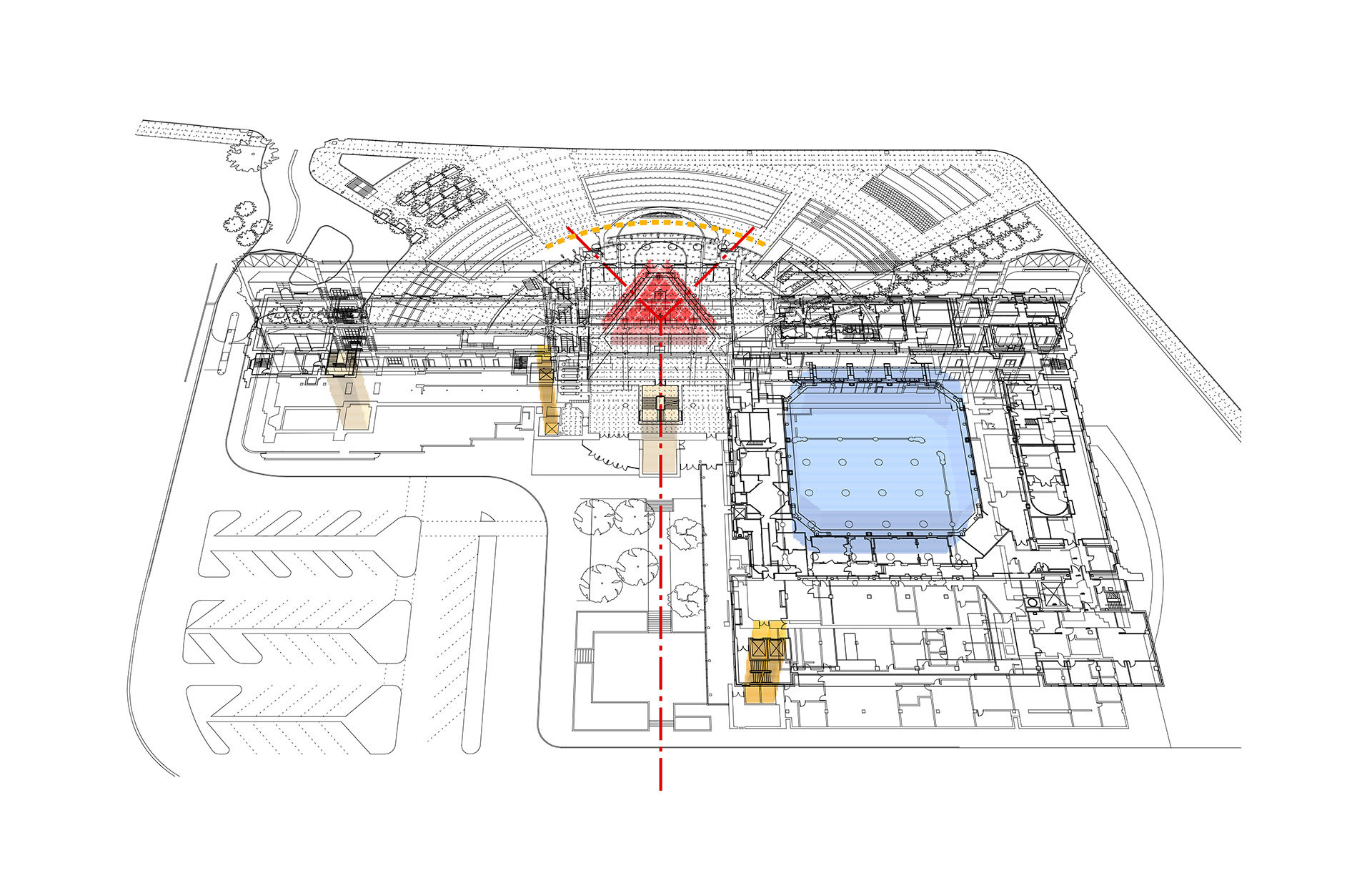
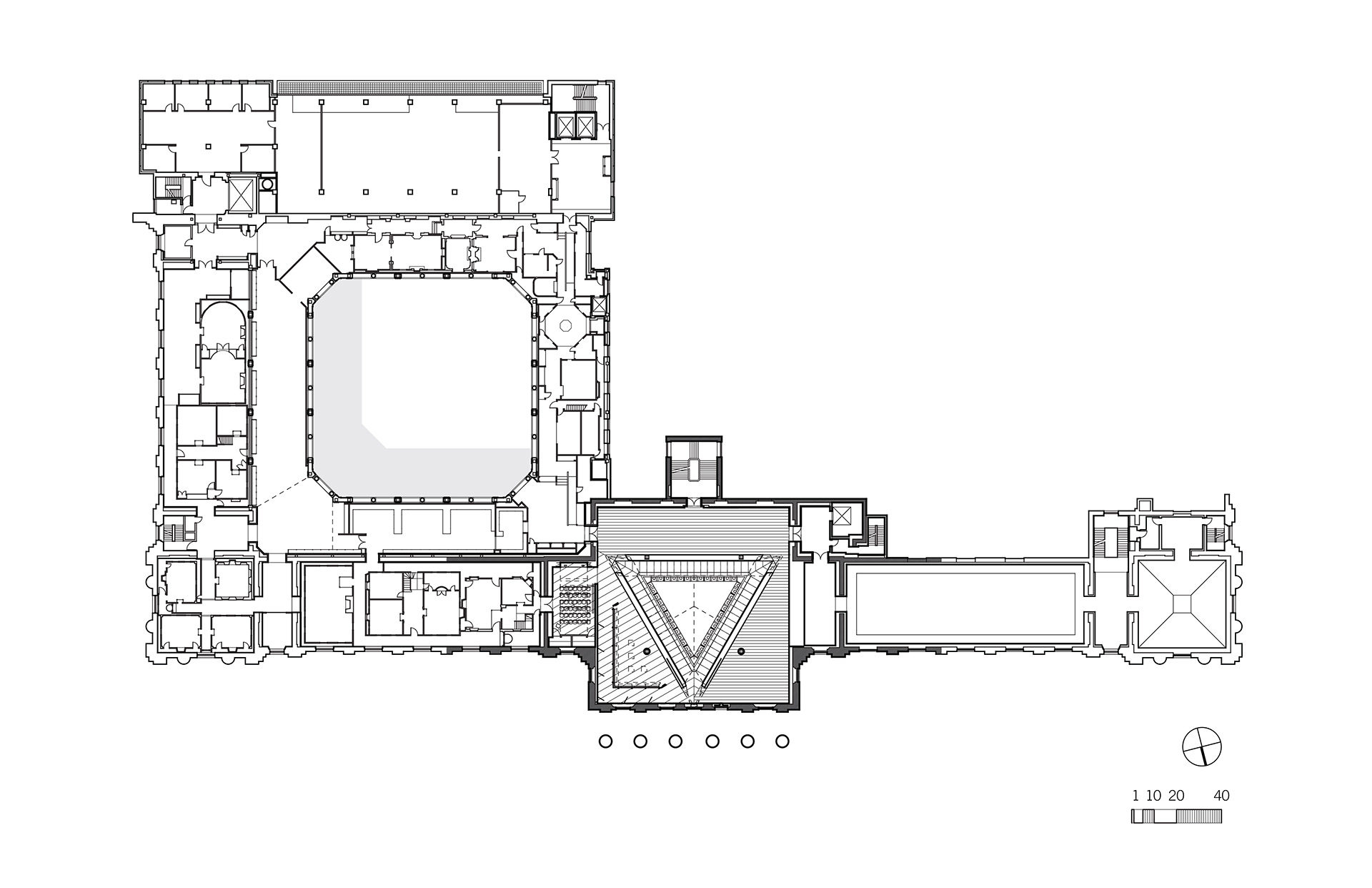
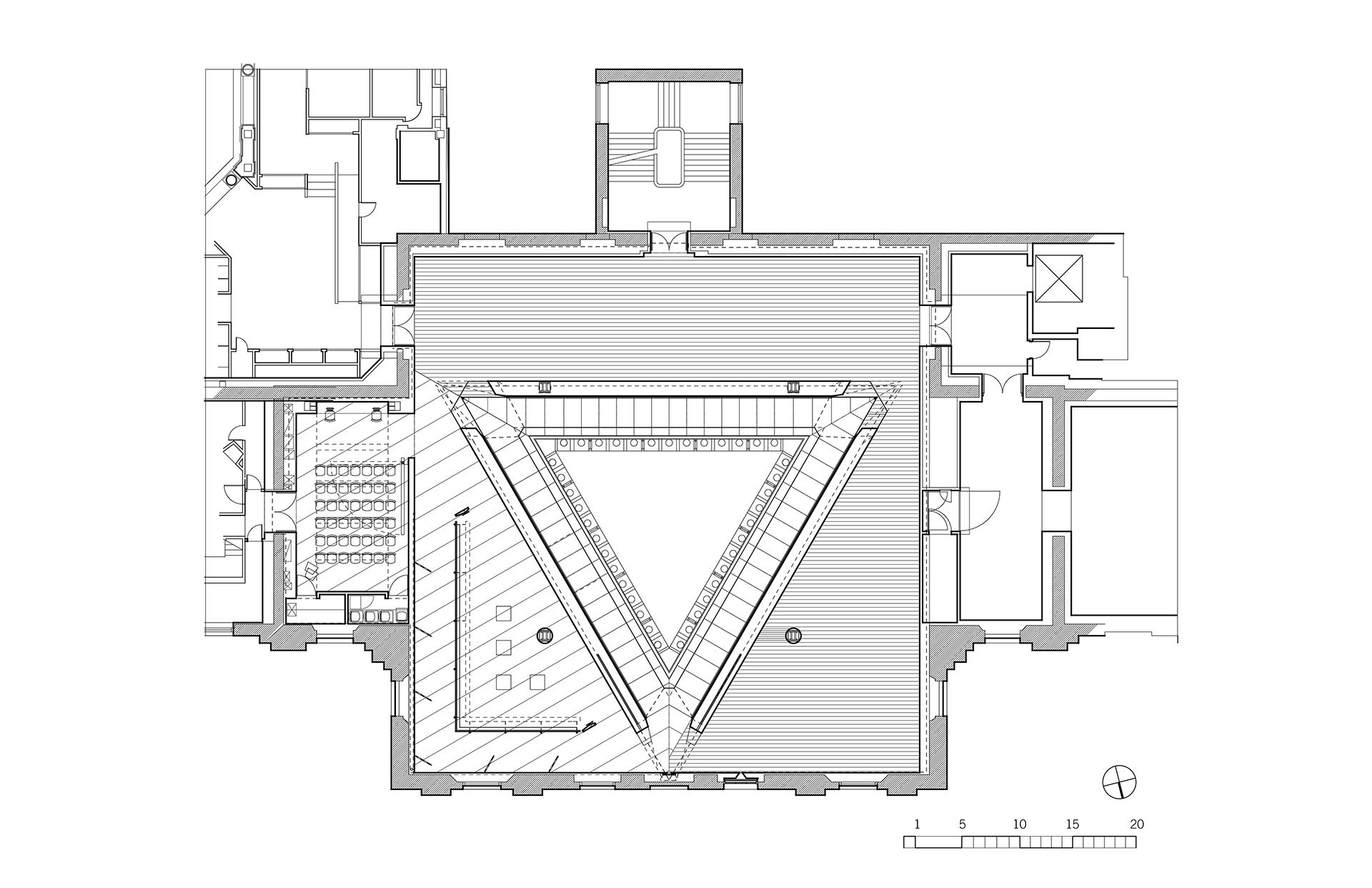
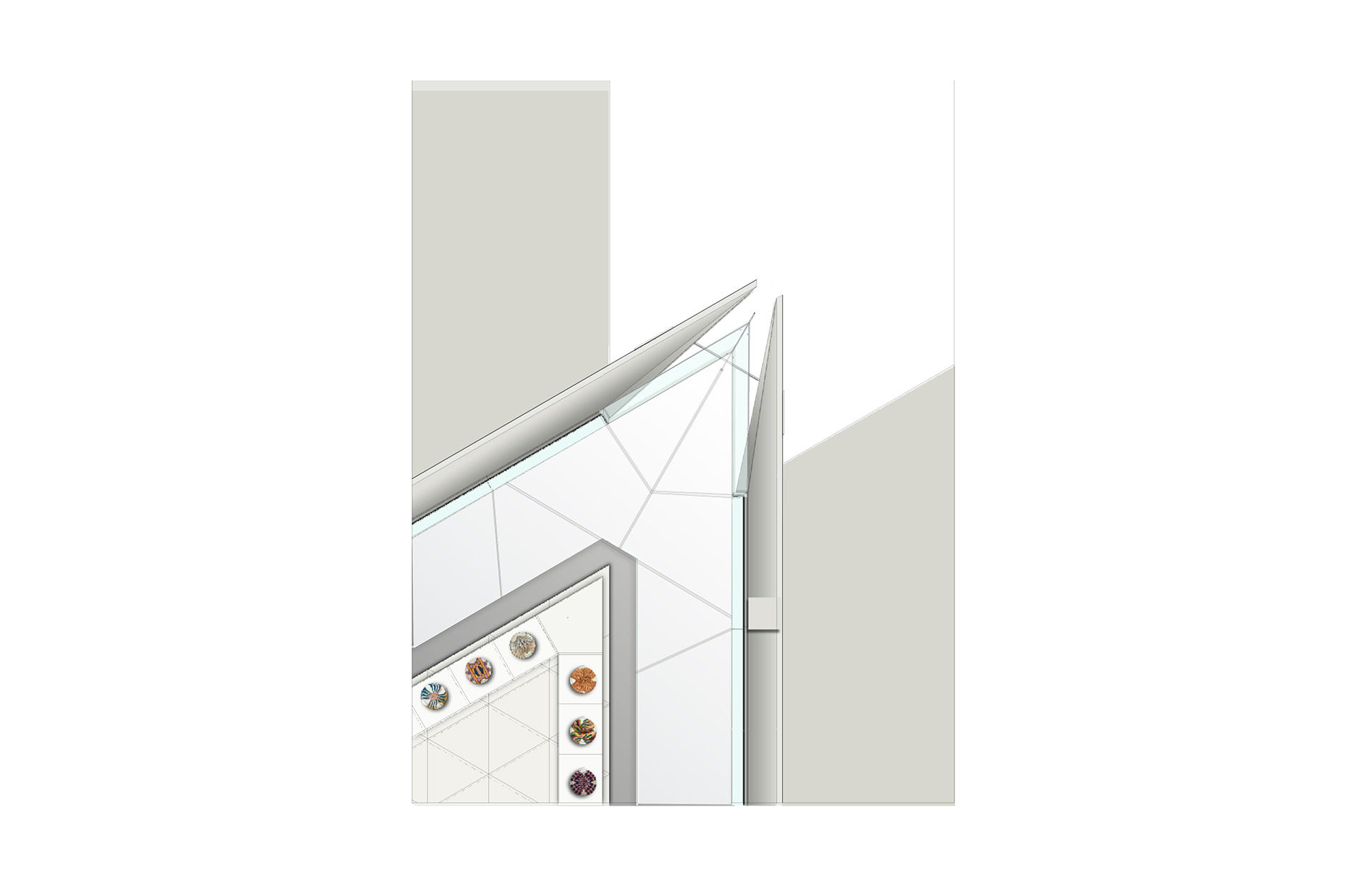
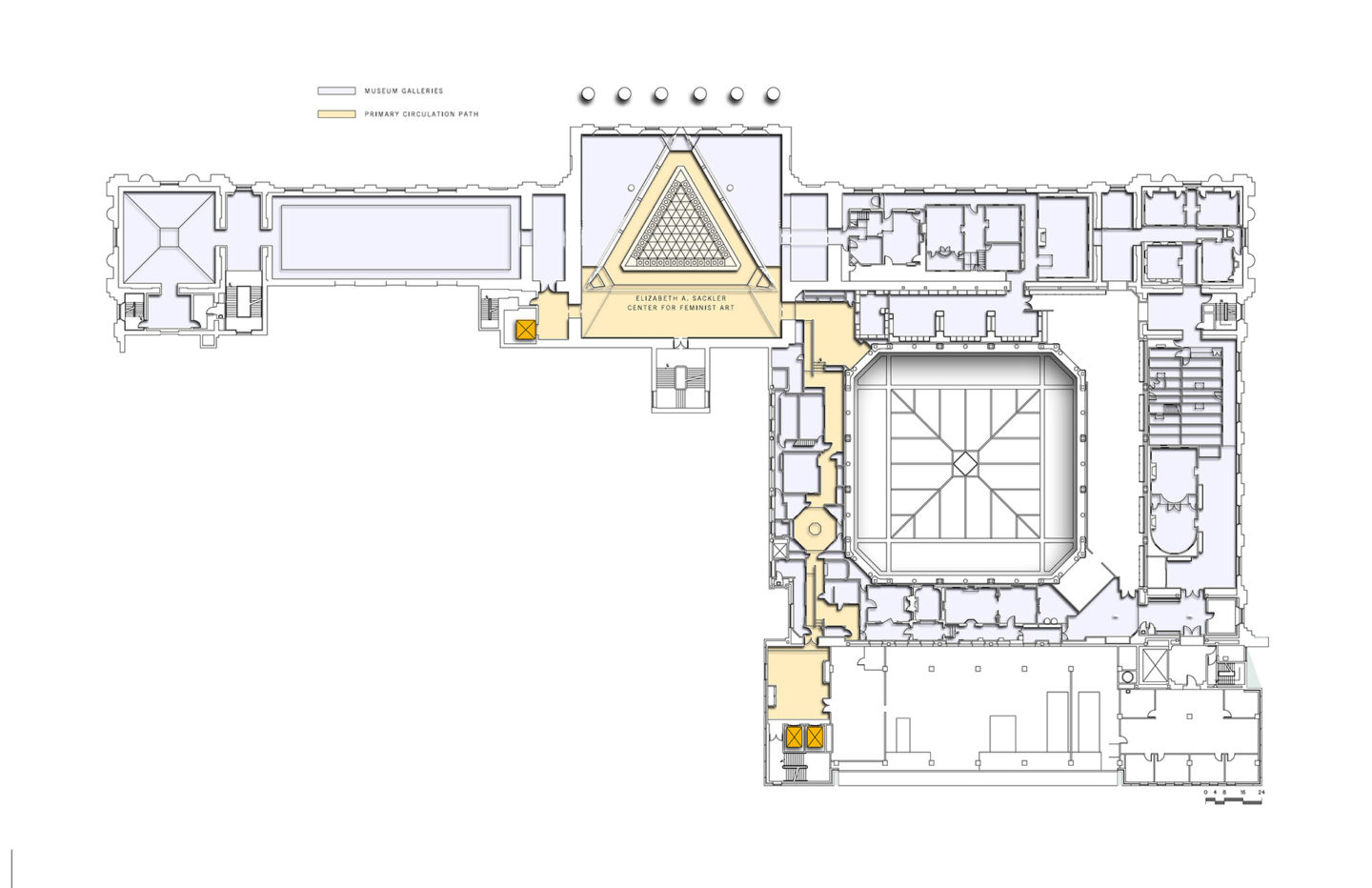
The Center’s design is conceived as a series of concentric layers: the perimeter walls of the original nineteenth-century building, the enveloping zone of changing exhibition galleries and the inner sanctum of “The Dinner Party” gallery. This strategy reconciles the scale and triangular geometry of “The Dinner Party” within the rectilinear geometry of the Museum’s existing structure.
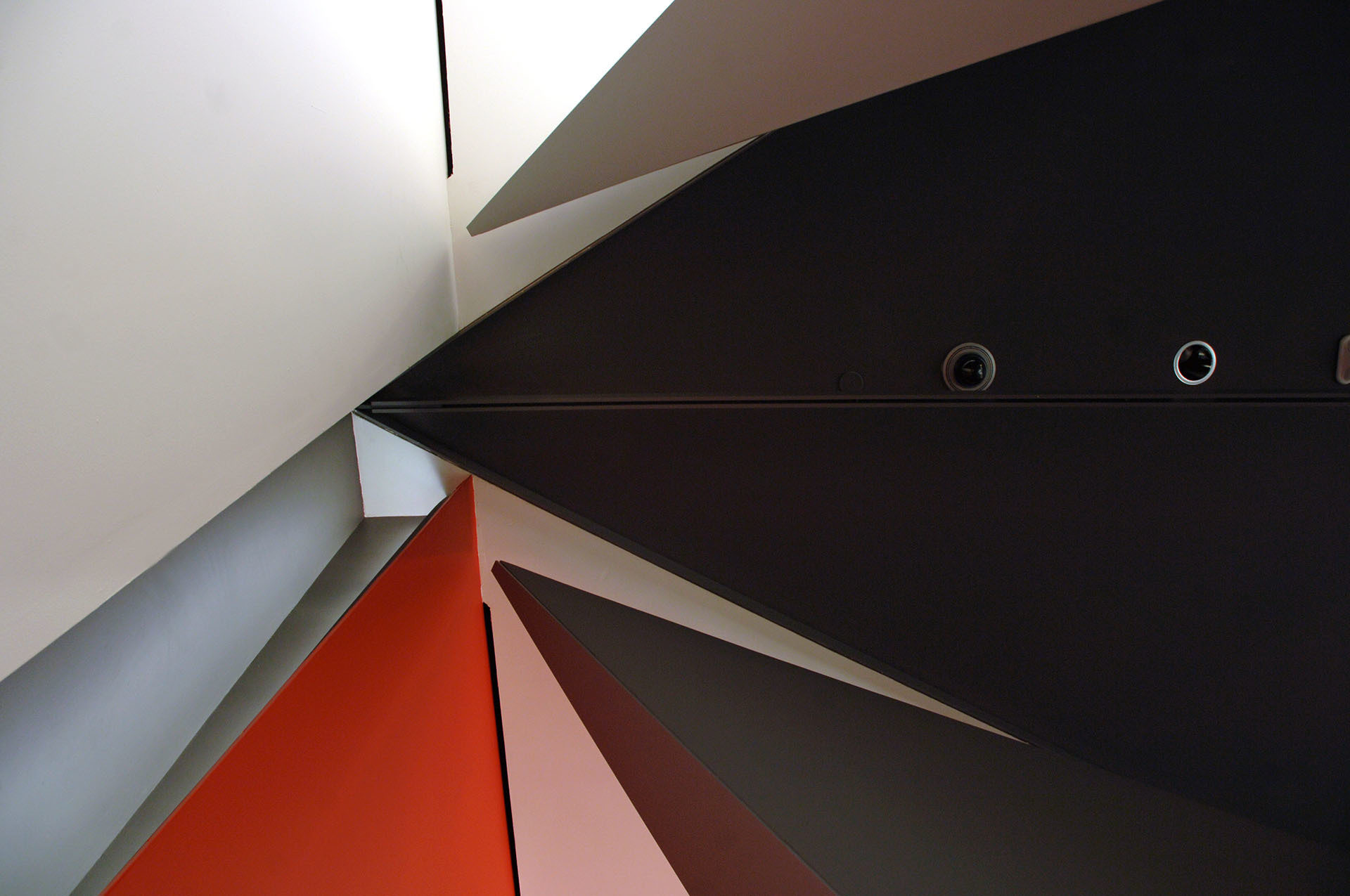
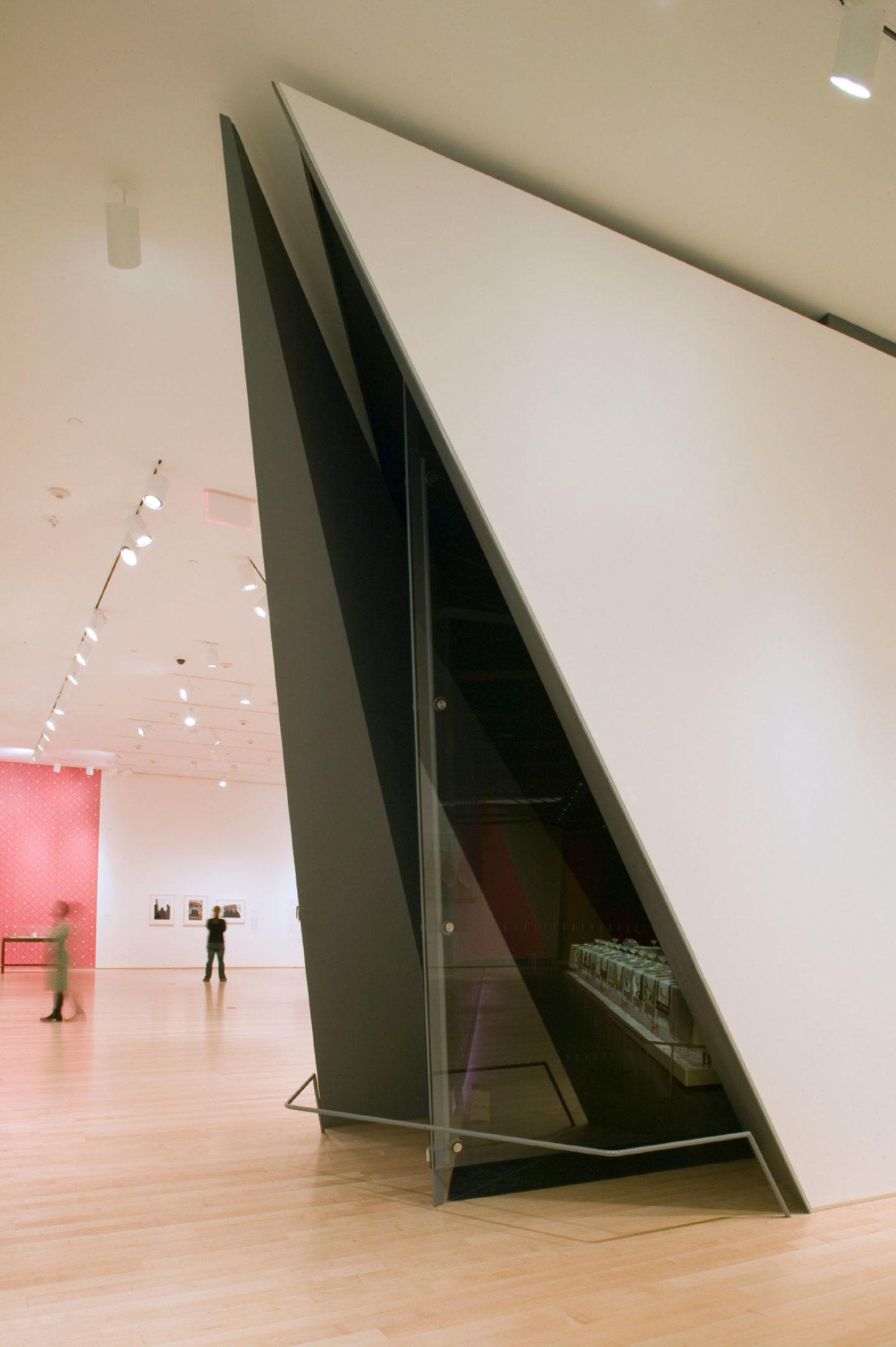
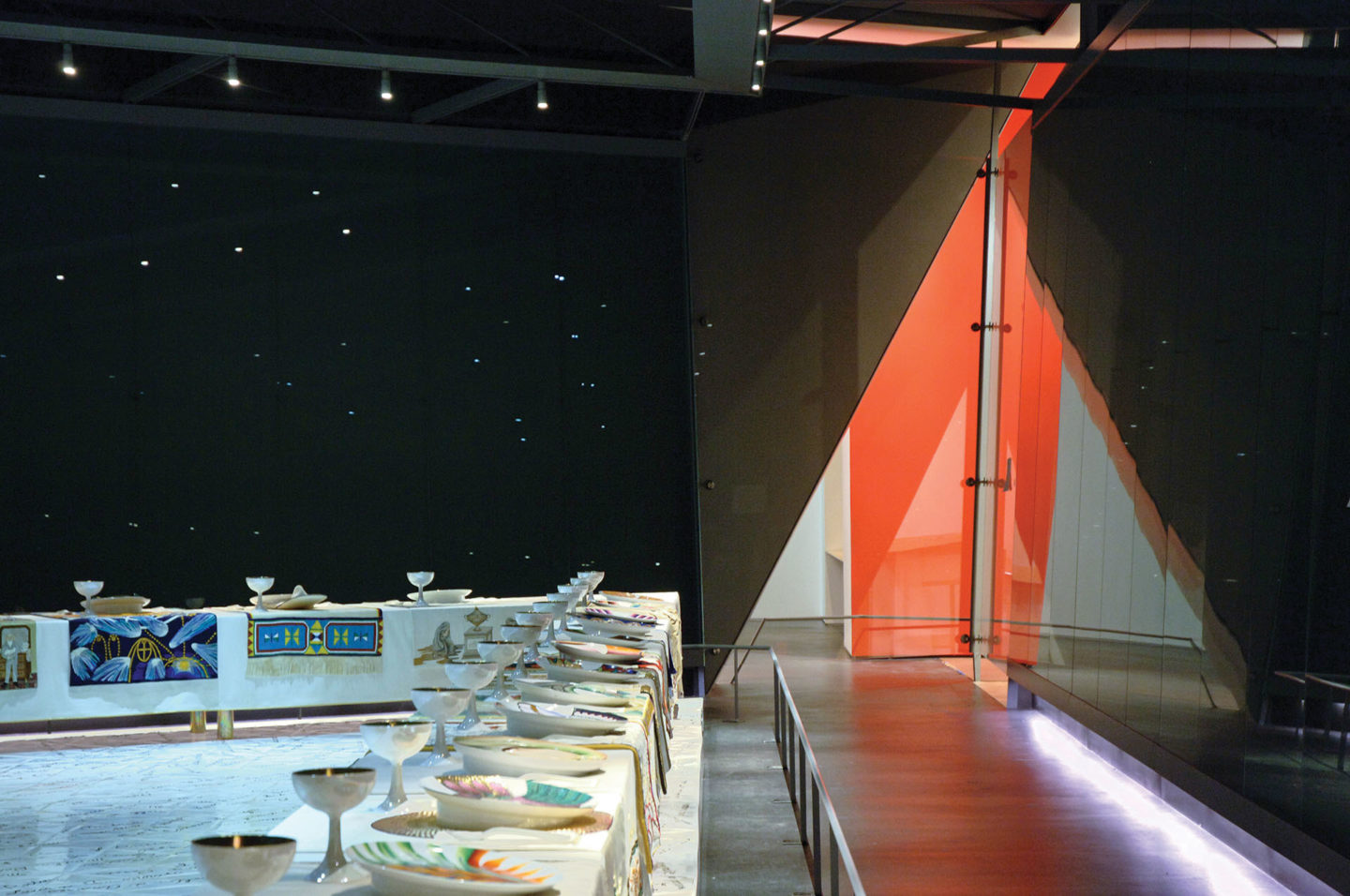
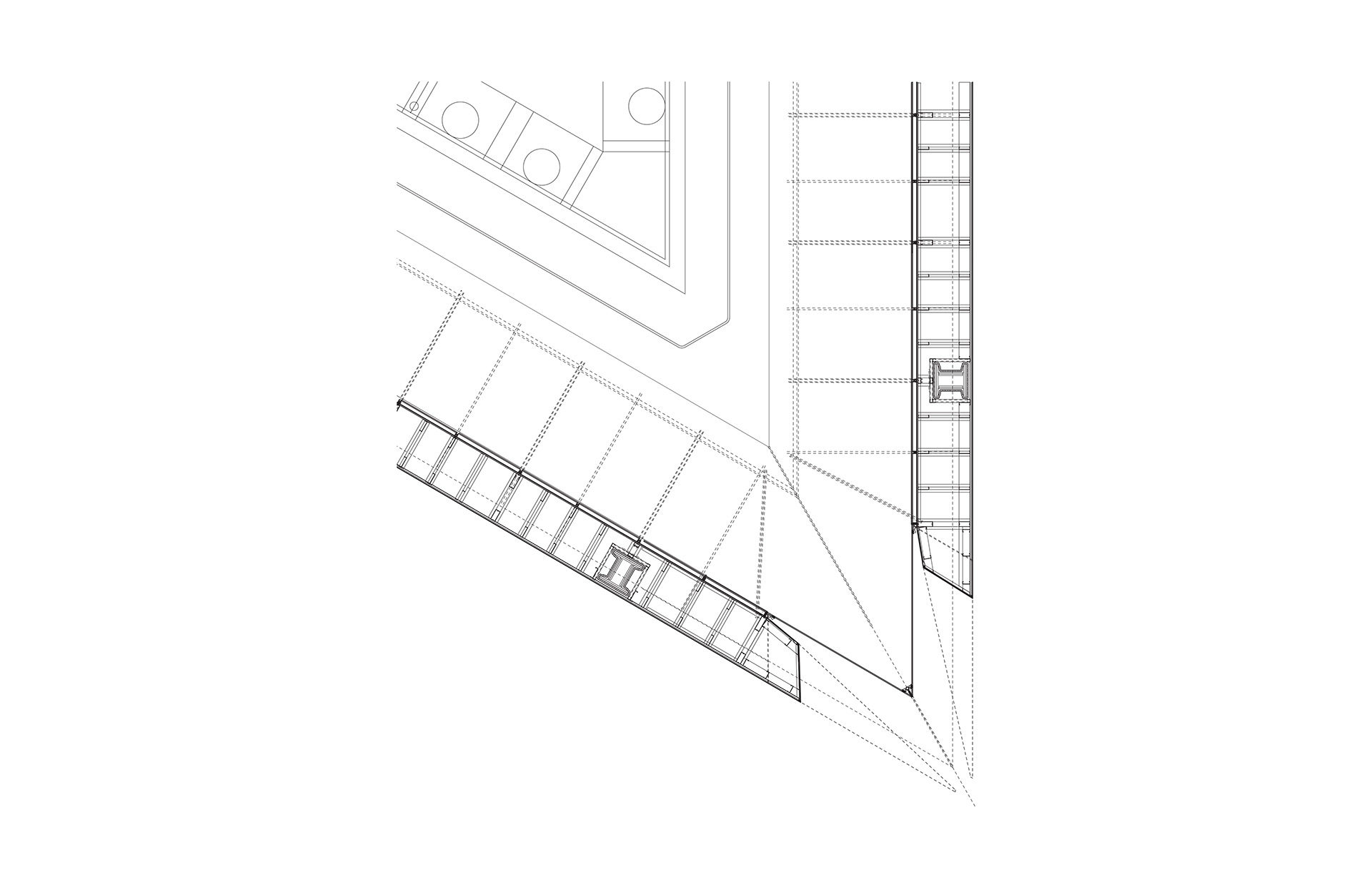
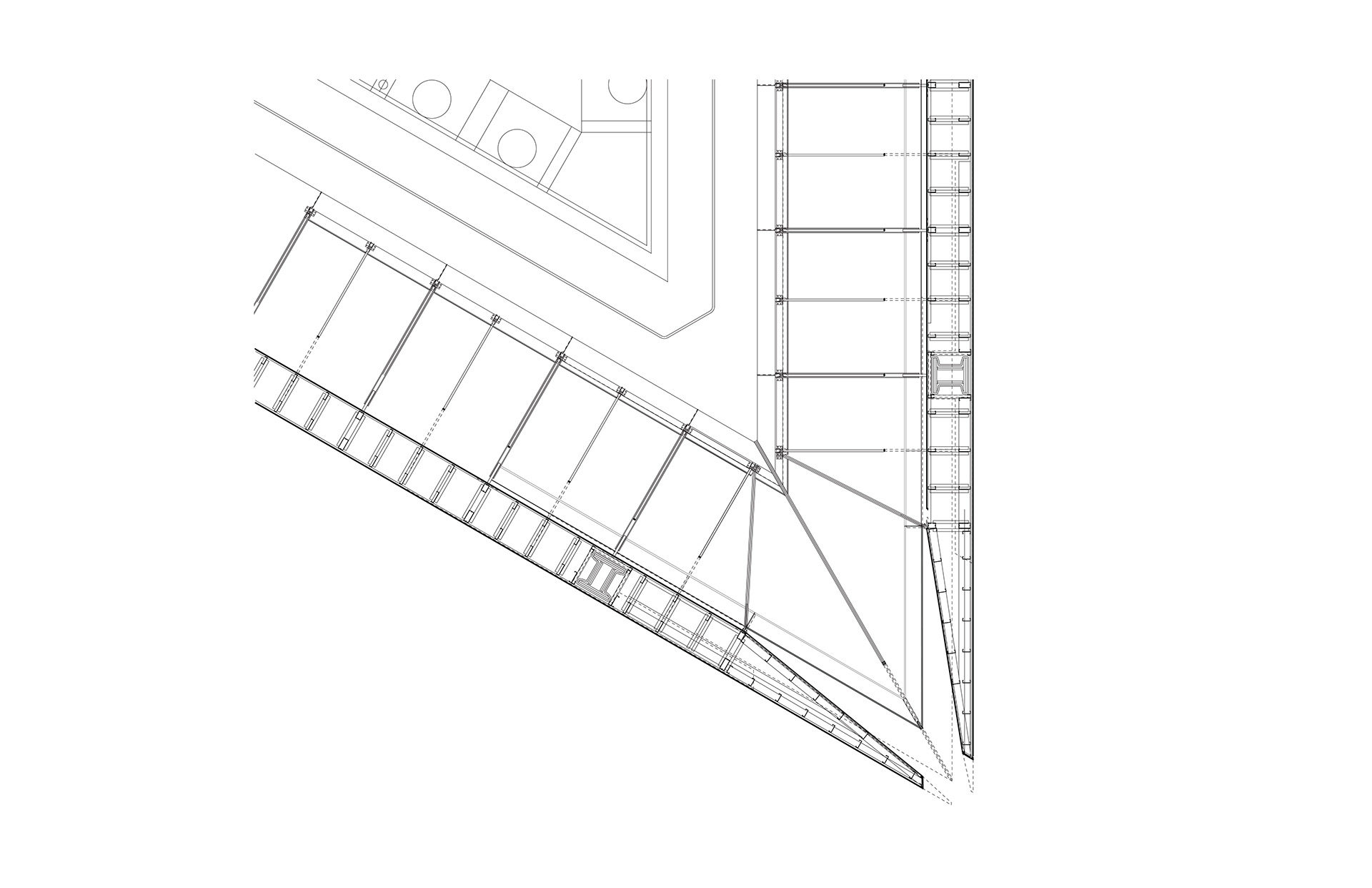
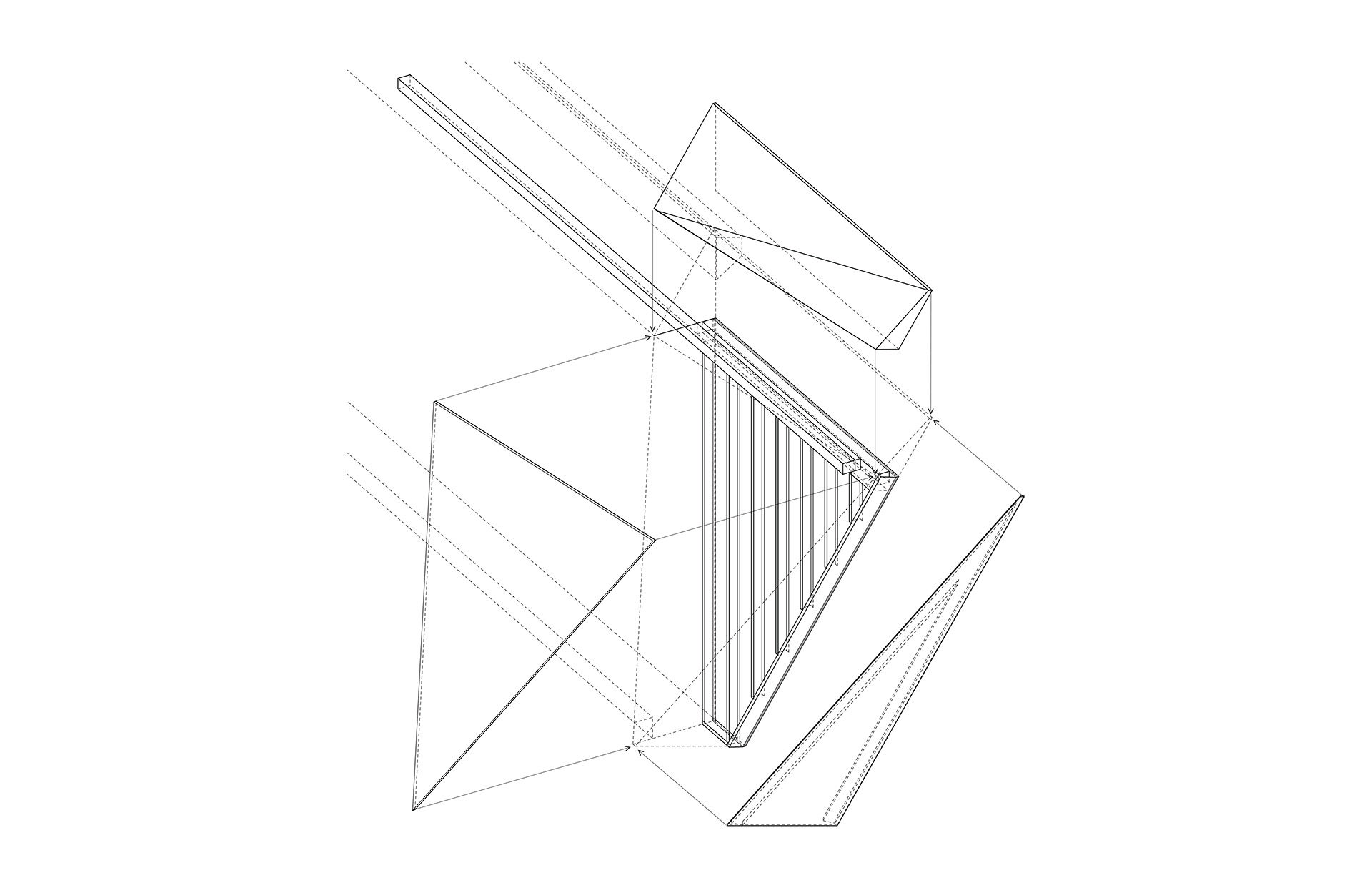
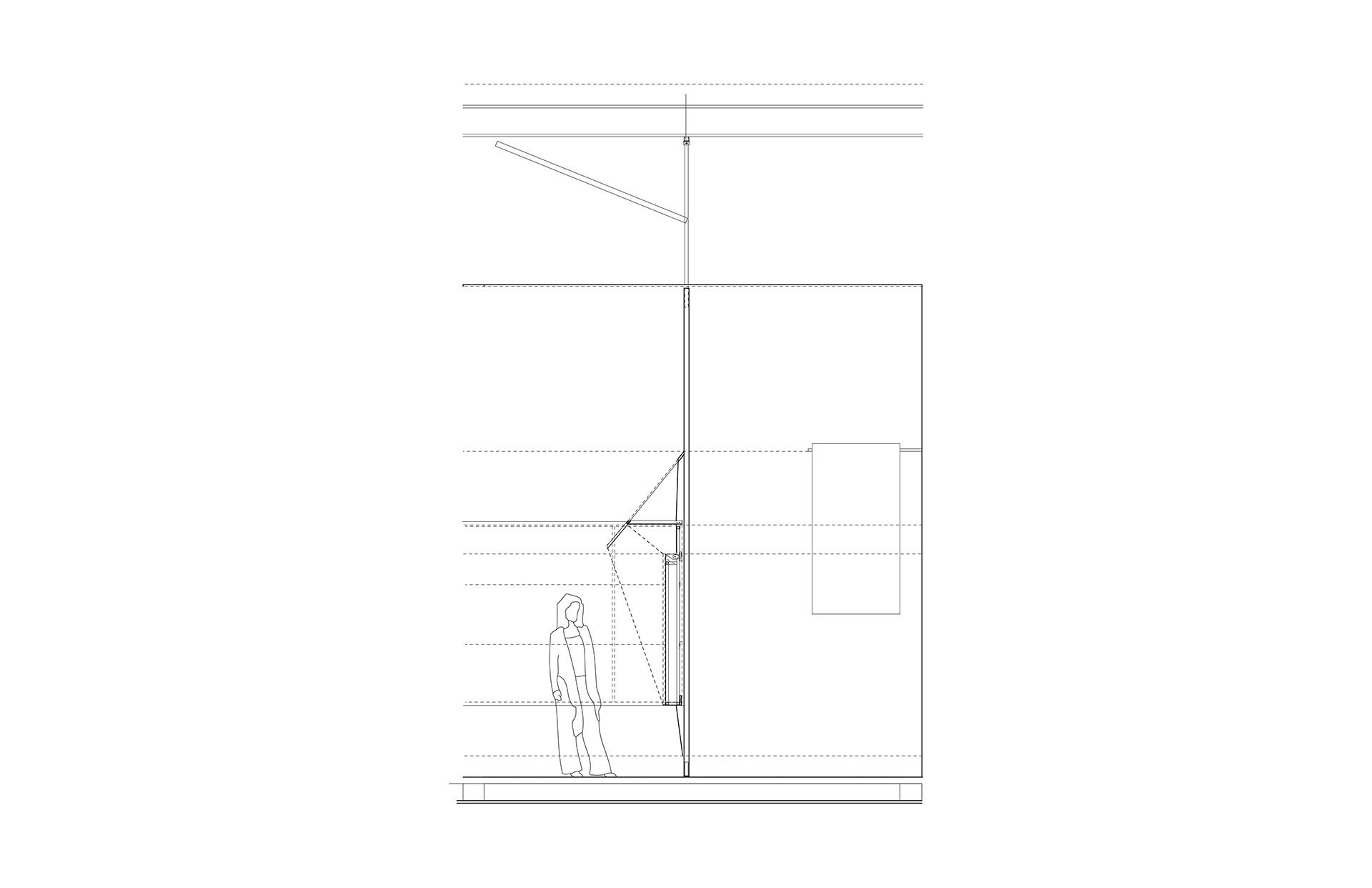
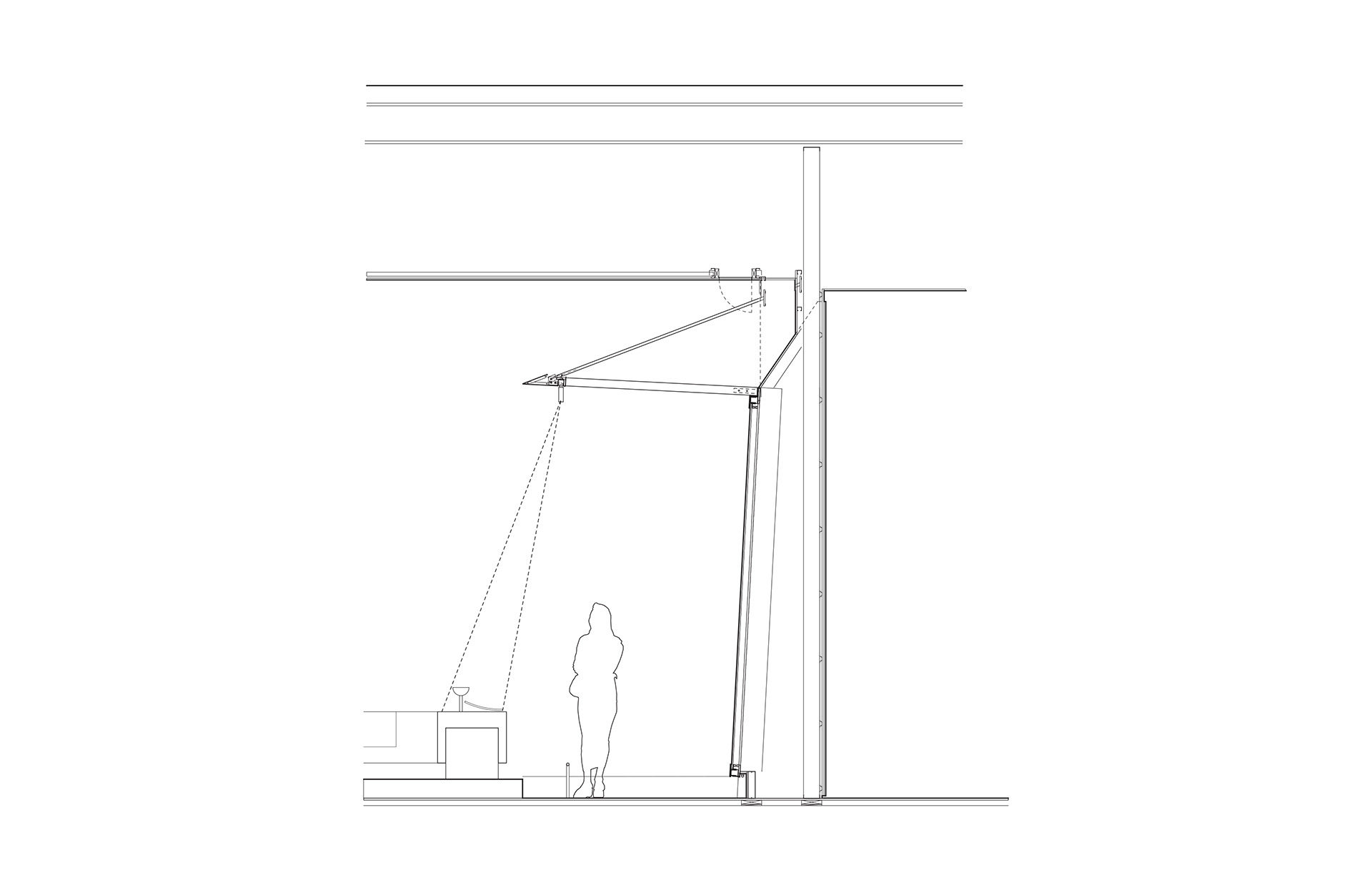
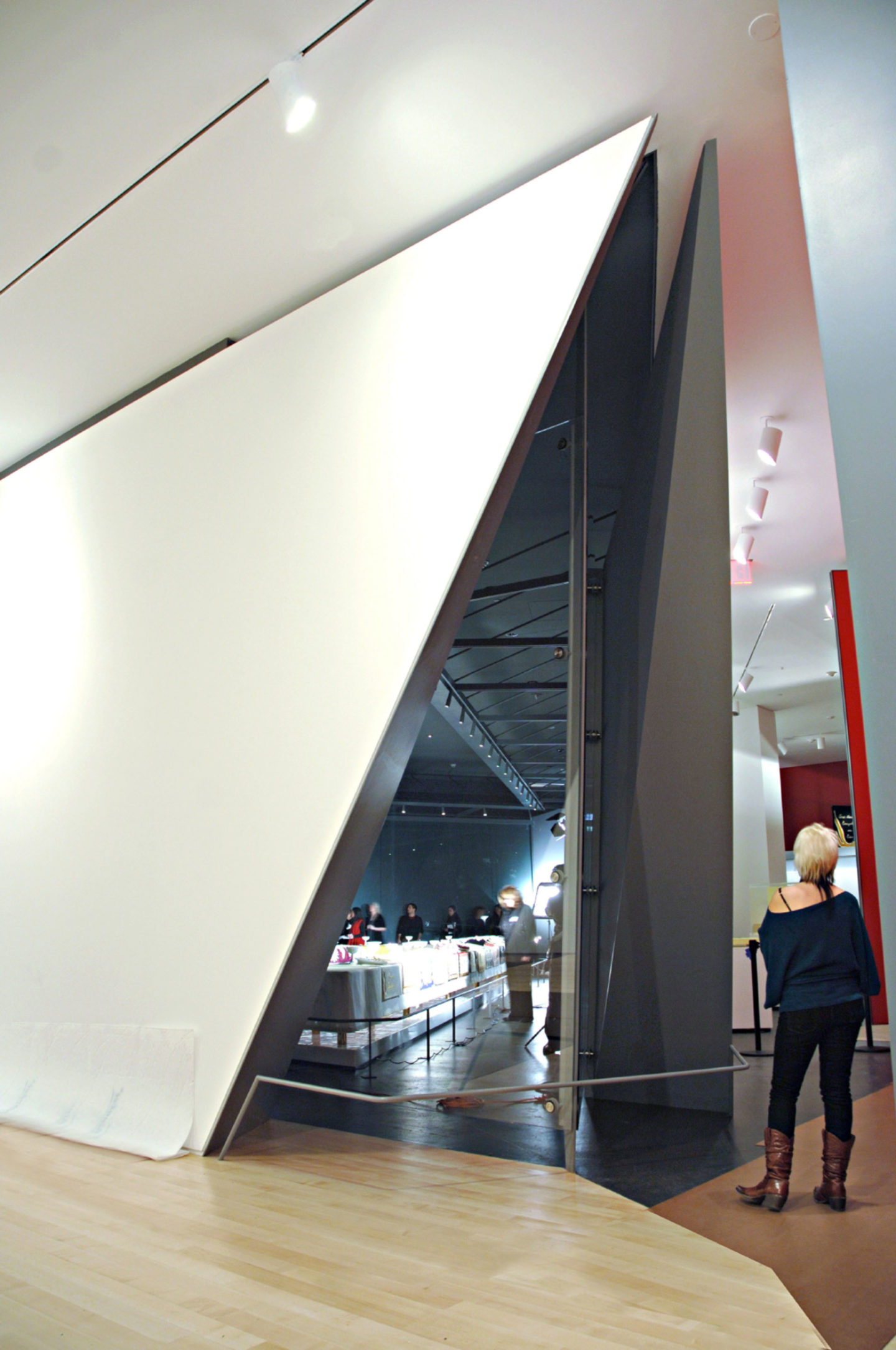
Defined by large, sloped walls and the glass membrane of “The Dinner Party” gallery, the sculptural threshold allows the visitor anticipatory glimpses of the piece within.
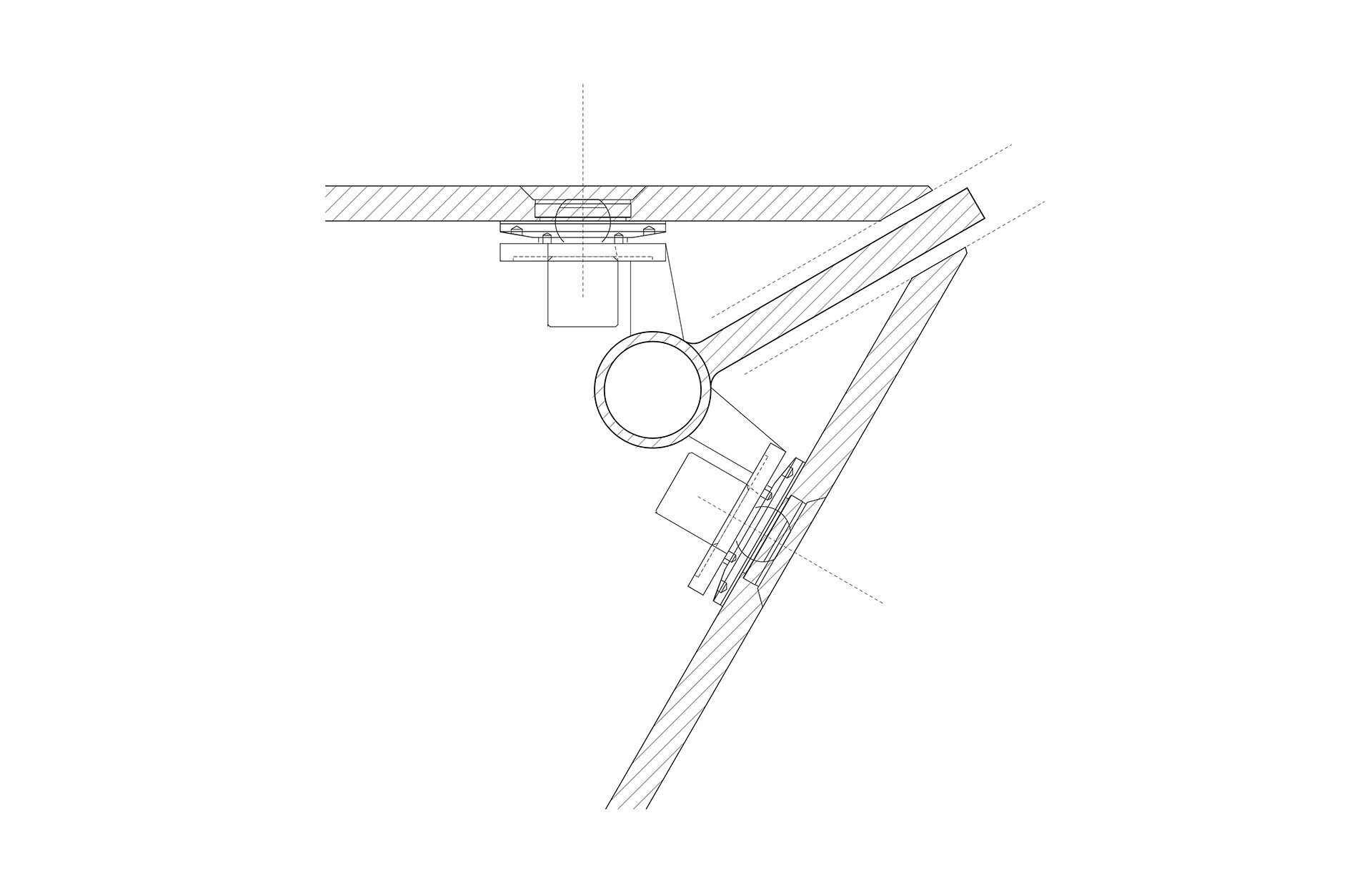
The sloped walls are lined with large glass tablets that reflect the art and its viewers, enhancing the expansiveness of the space. Movement along the perimeter of the table encourages the visitor to study the piece’s thirty-nine place settings, each celebrating a significant woman in history.