

New Business
Press
Vendors
Webmaster
General Inquiries
Shanghai
Suite 5205, Block 5, Bridge 8,
No. 10 Jian Guo Zhong Road,
Huangpu District,
Shanghai 200025, PRC
Los Angeles
The Bradbury Building
Suite 205
304 S Broadway
Los Angeles, CA 90013
In linking the new Museum to both scientific purpose and to the celestial references of buildings throughout history, the exhibits and architecture will communicate more than scientific content: they will illuminate what it means to be human in a vast and largely unknown universe.
Thomas Wong, Design Partner
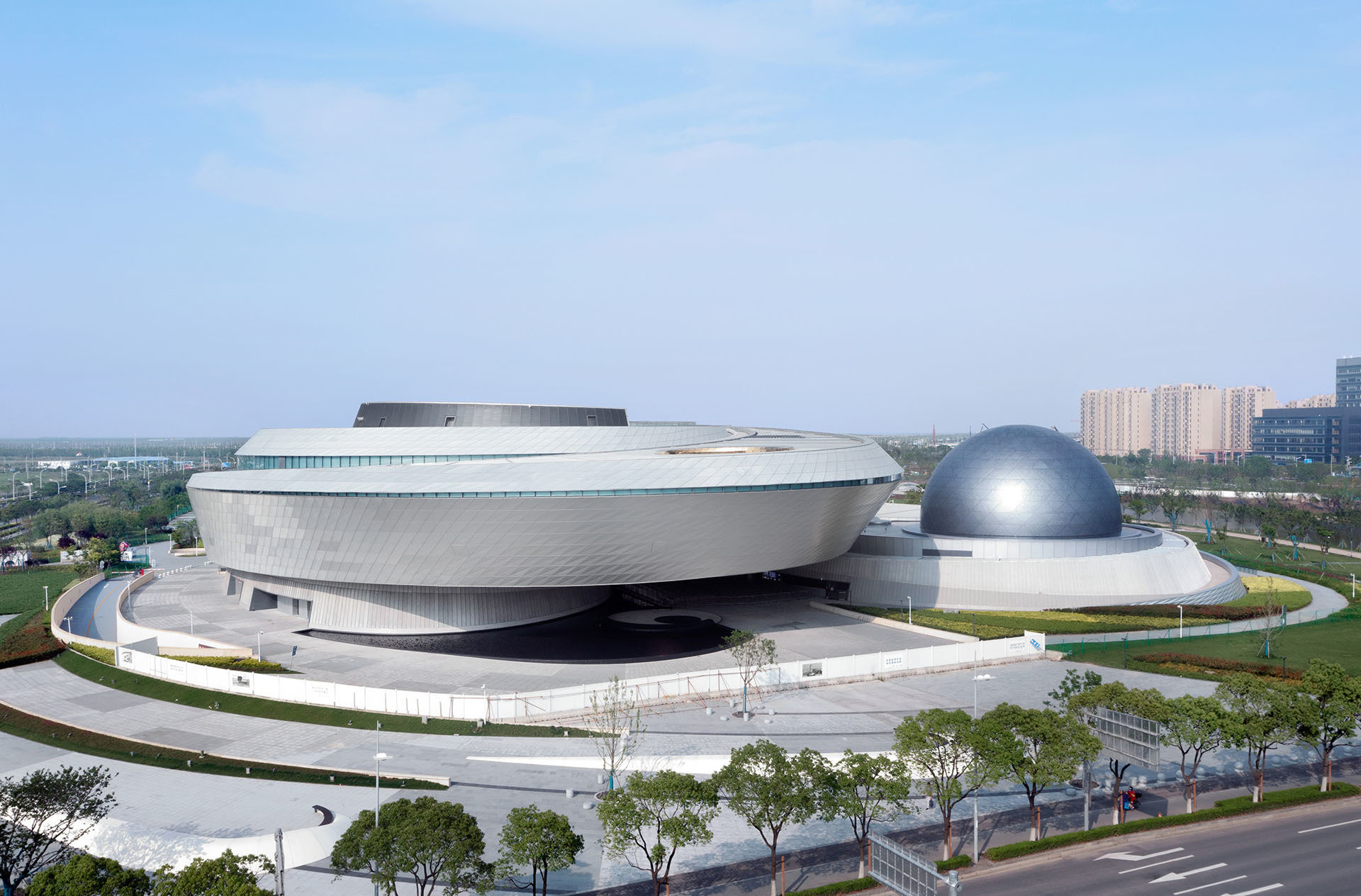
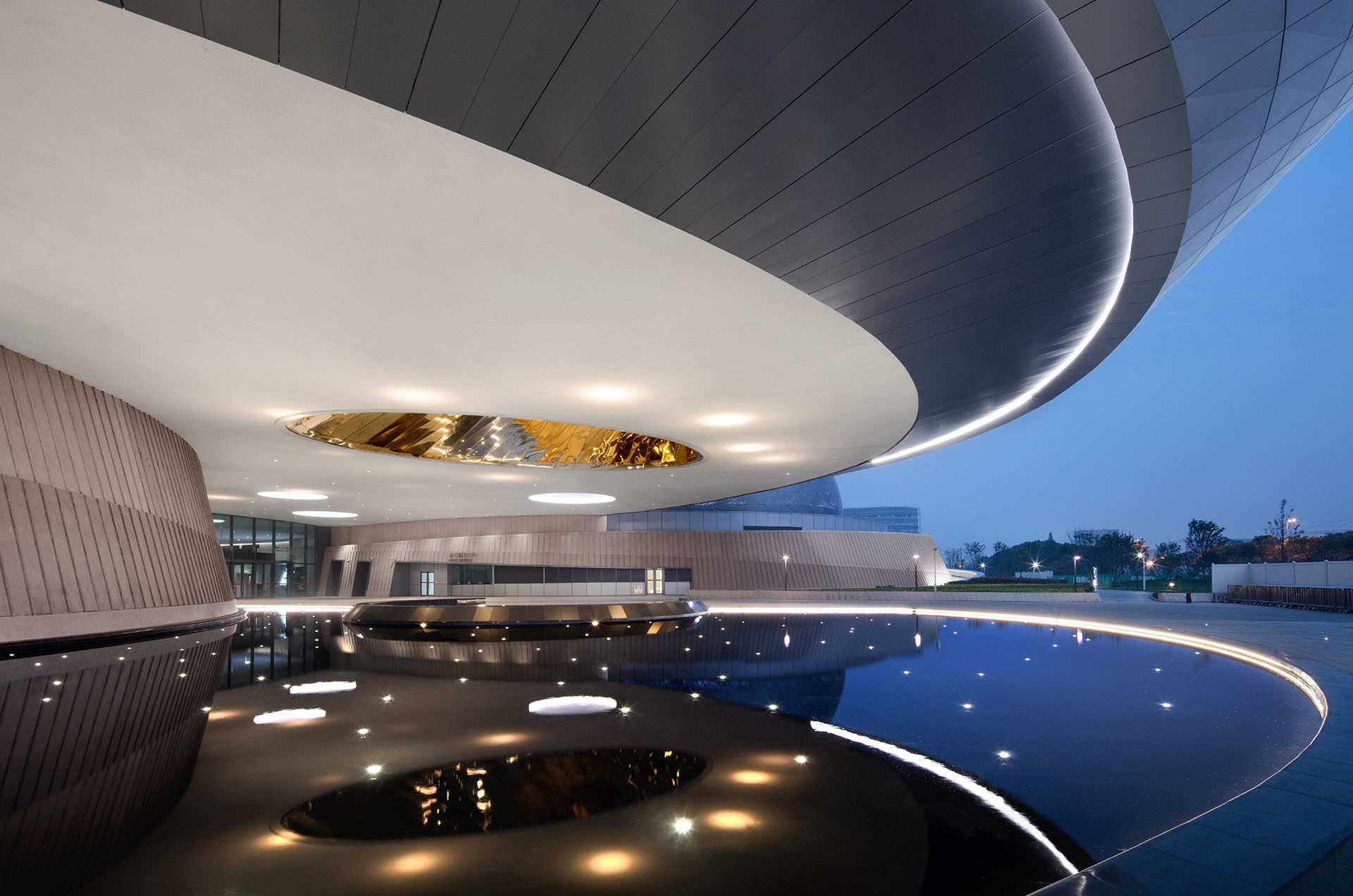
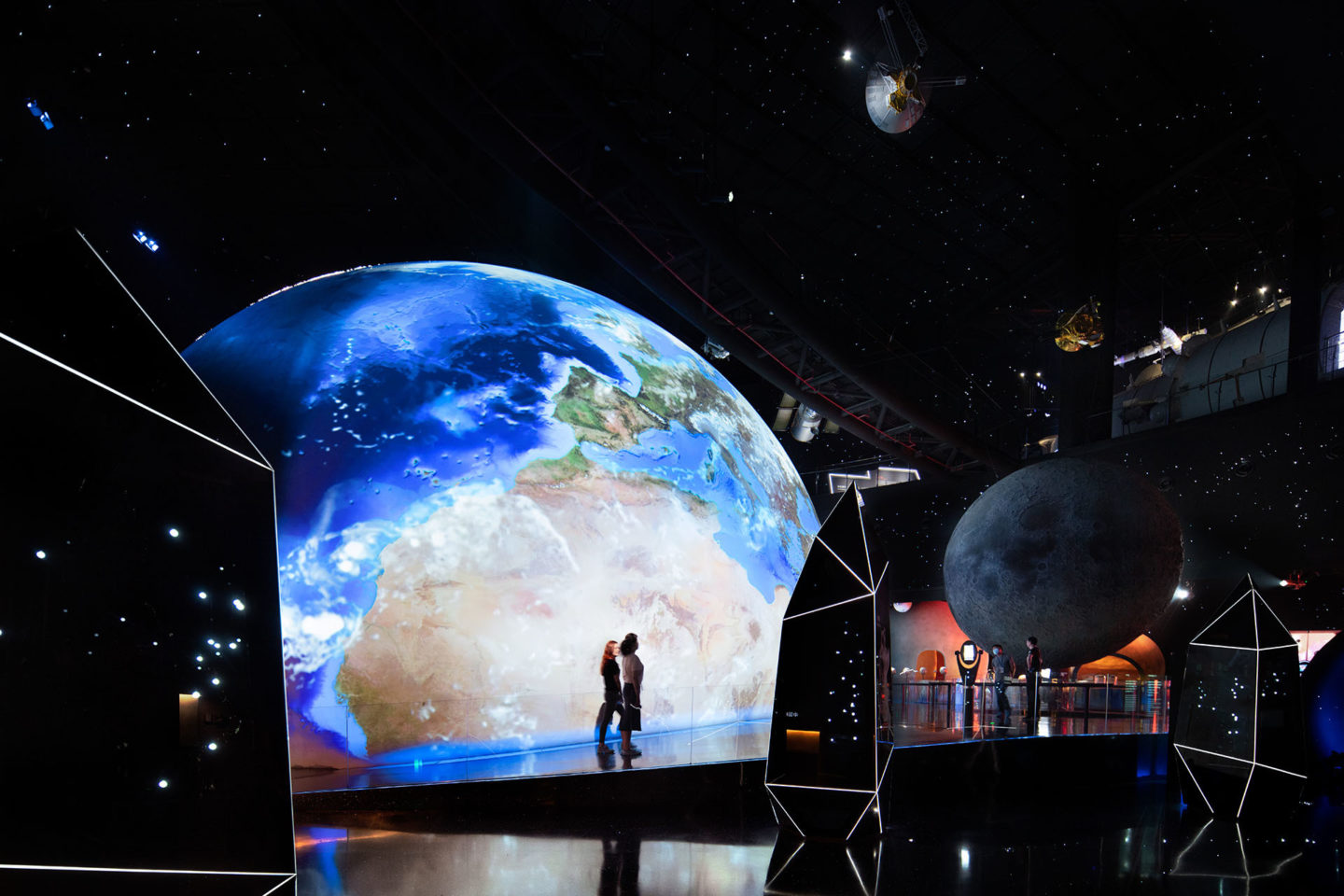
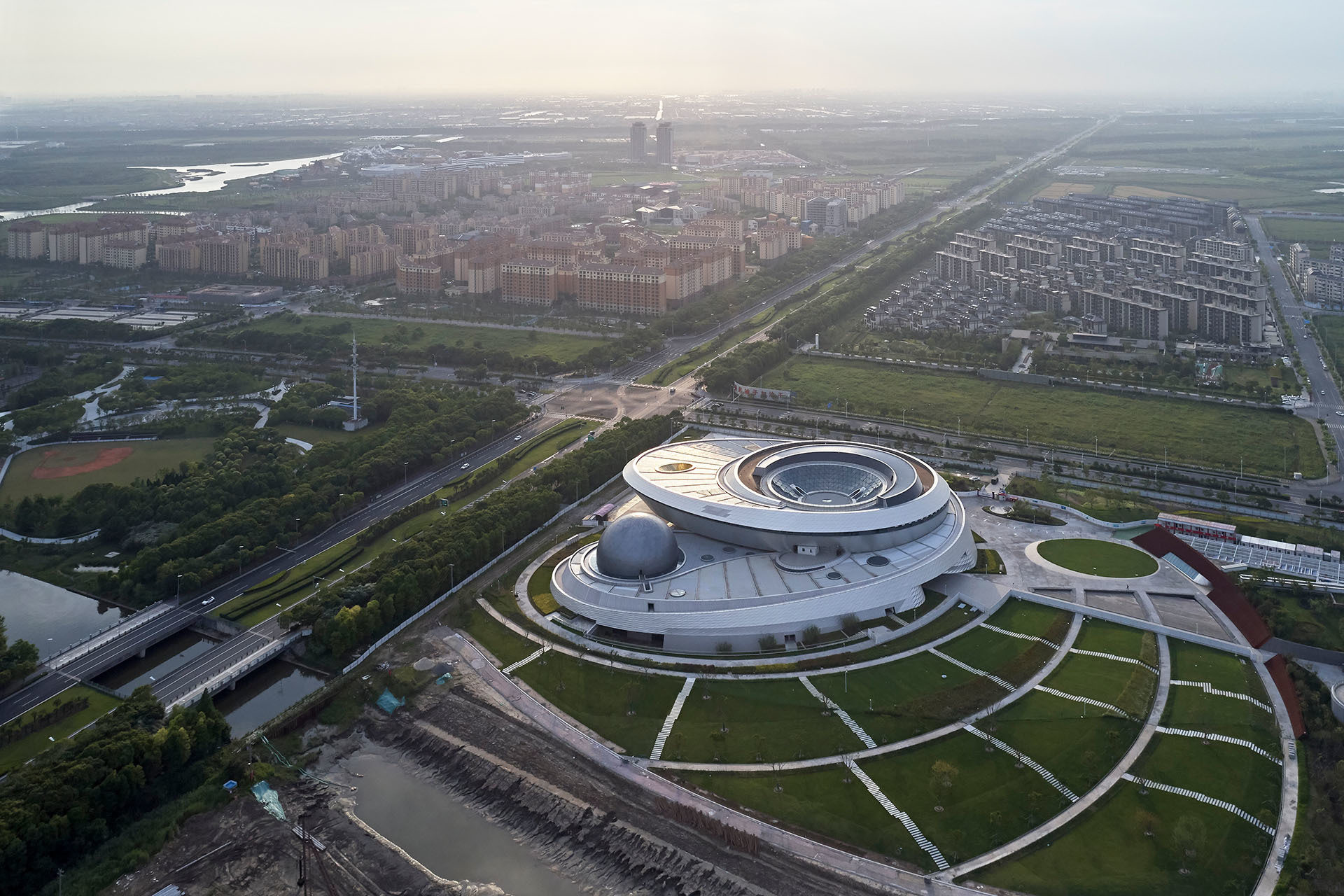
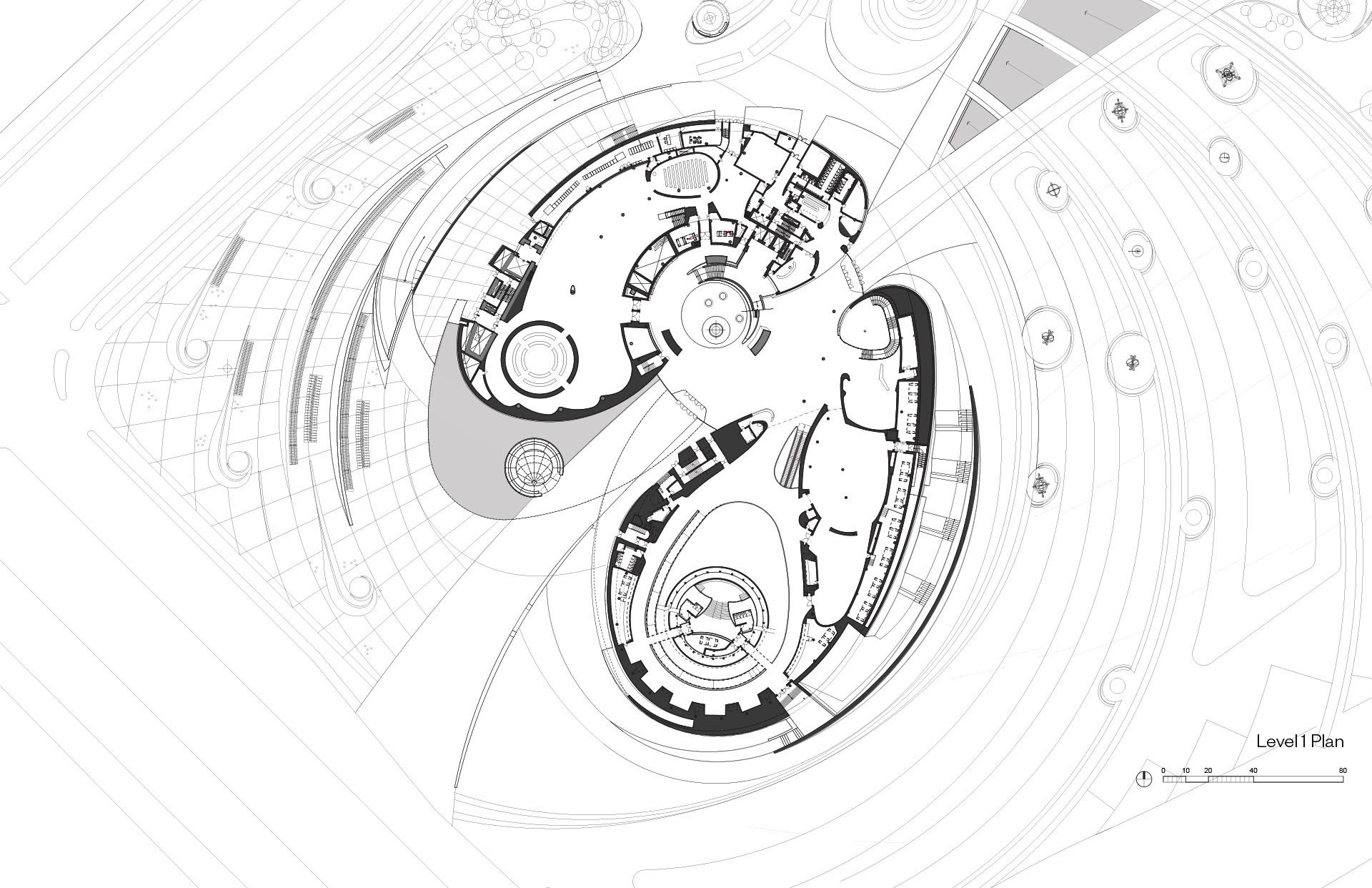
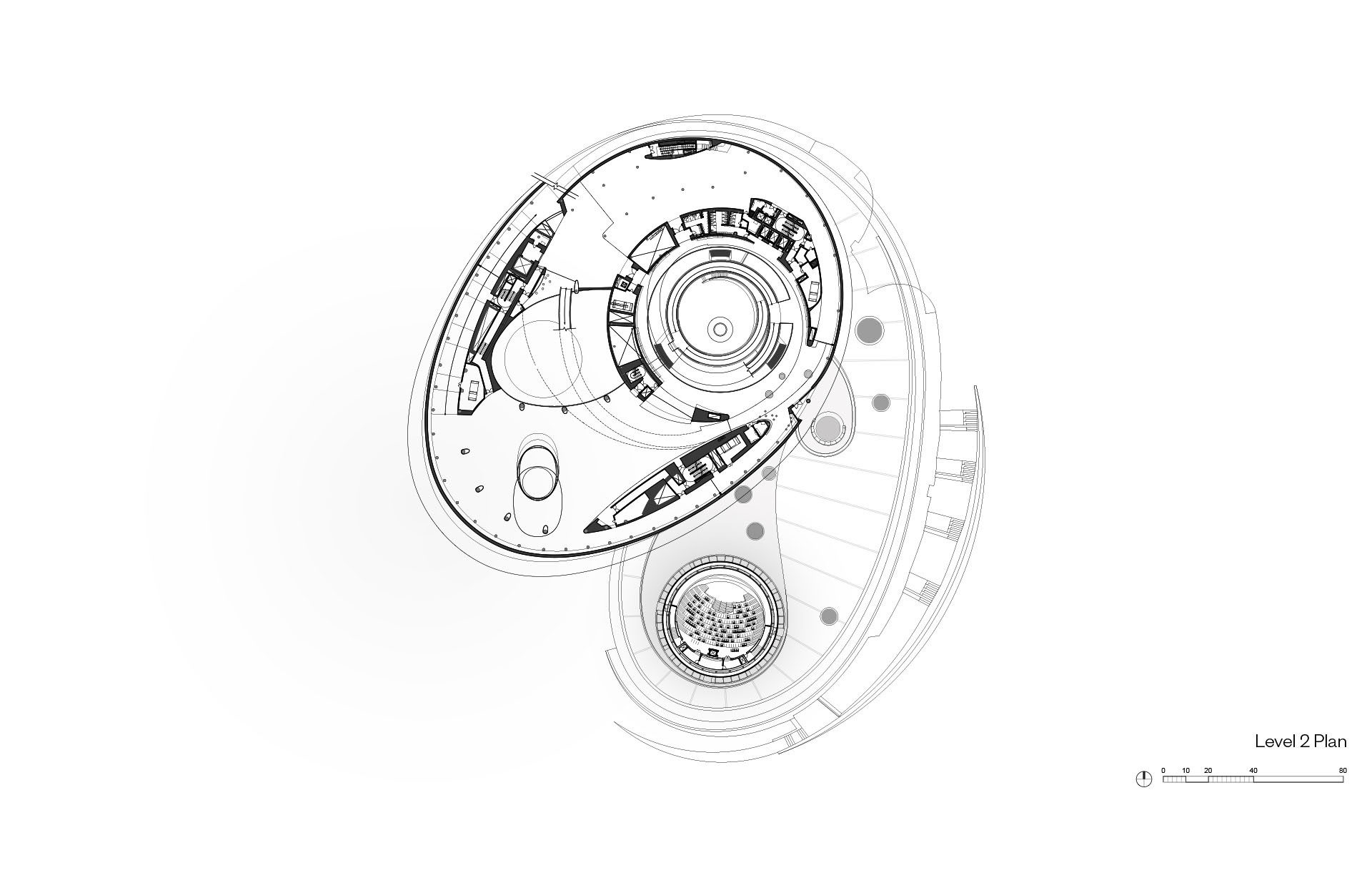
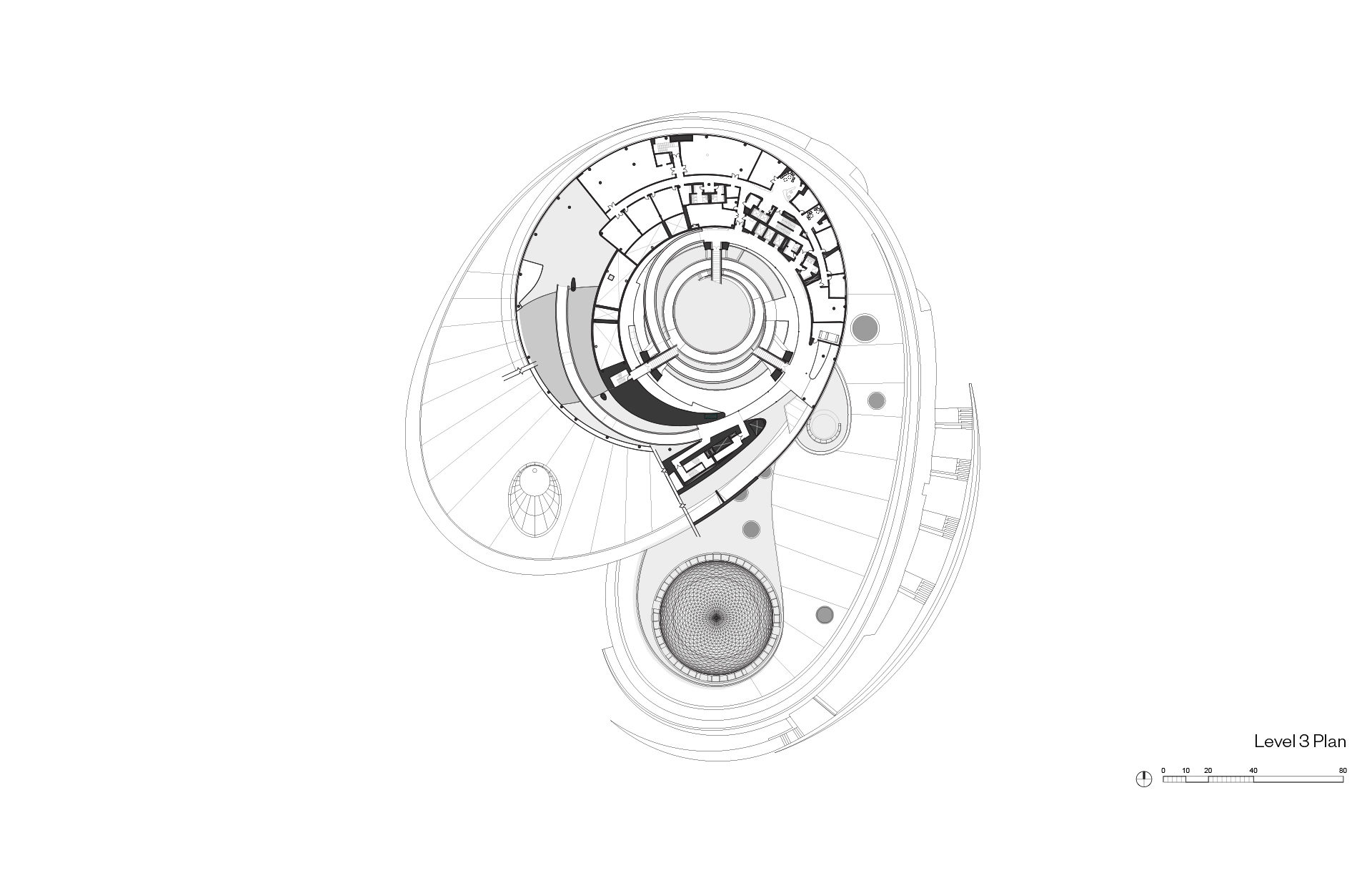
The monumental new museum creates an immersive experience that places visitors in direct engagement with real astronomical phenomena. Through scale, form, and the manipulation of light, the building heightens awareness of our fundamental relationship to the sun and the earth’s orbital motion. At 420,000 square feet, the new astronomical branch of the Shanghai Science and Technology Museum will be the largest museum worldwide solely dedicated to the study of astronomy.
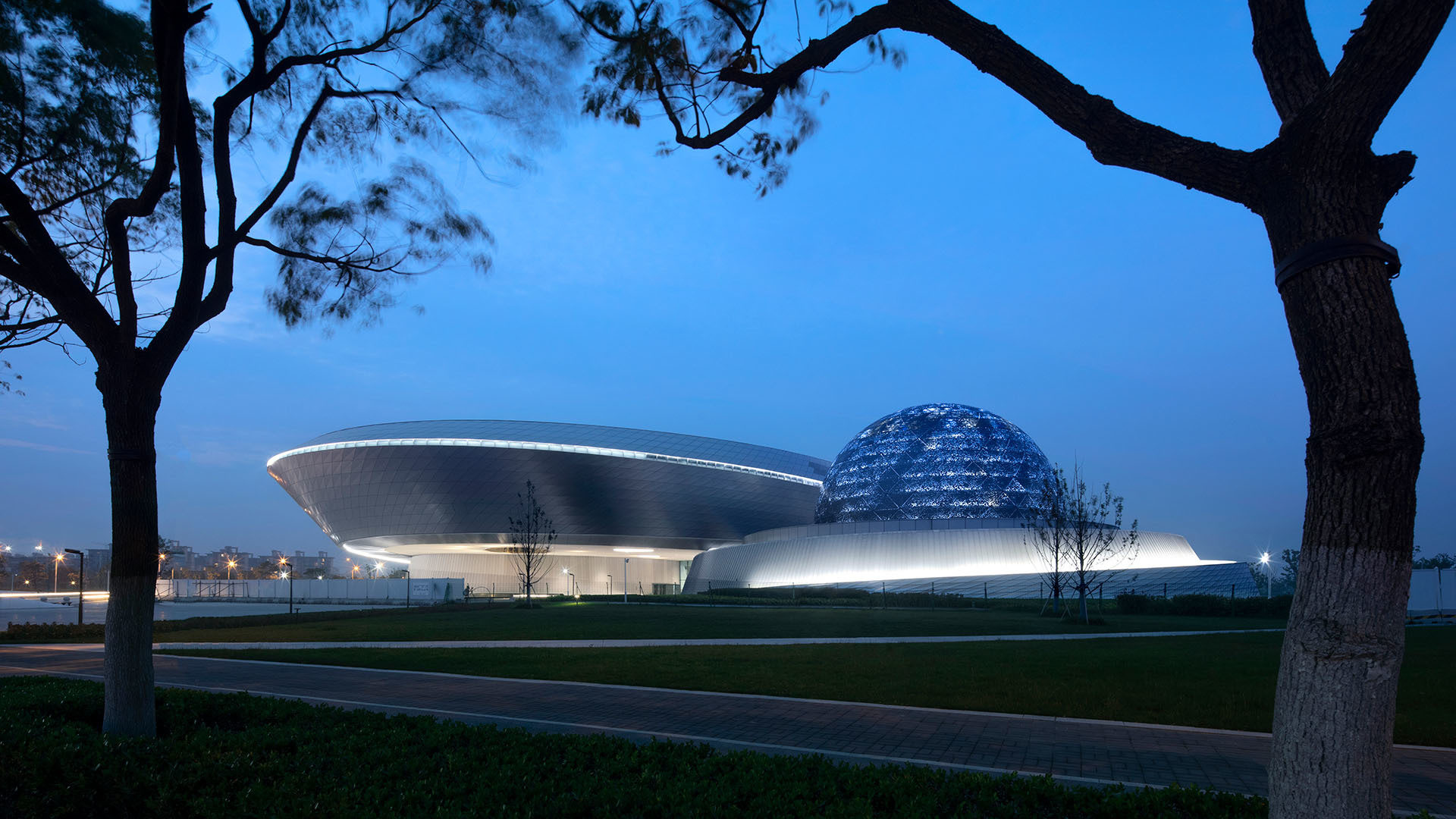
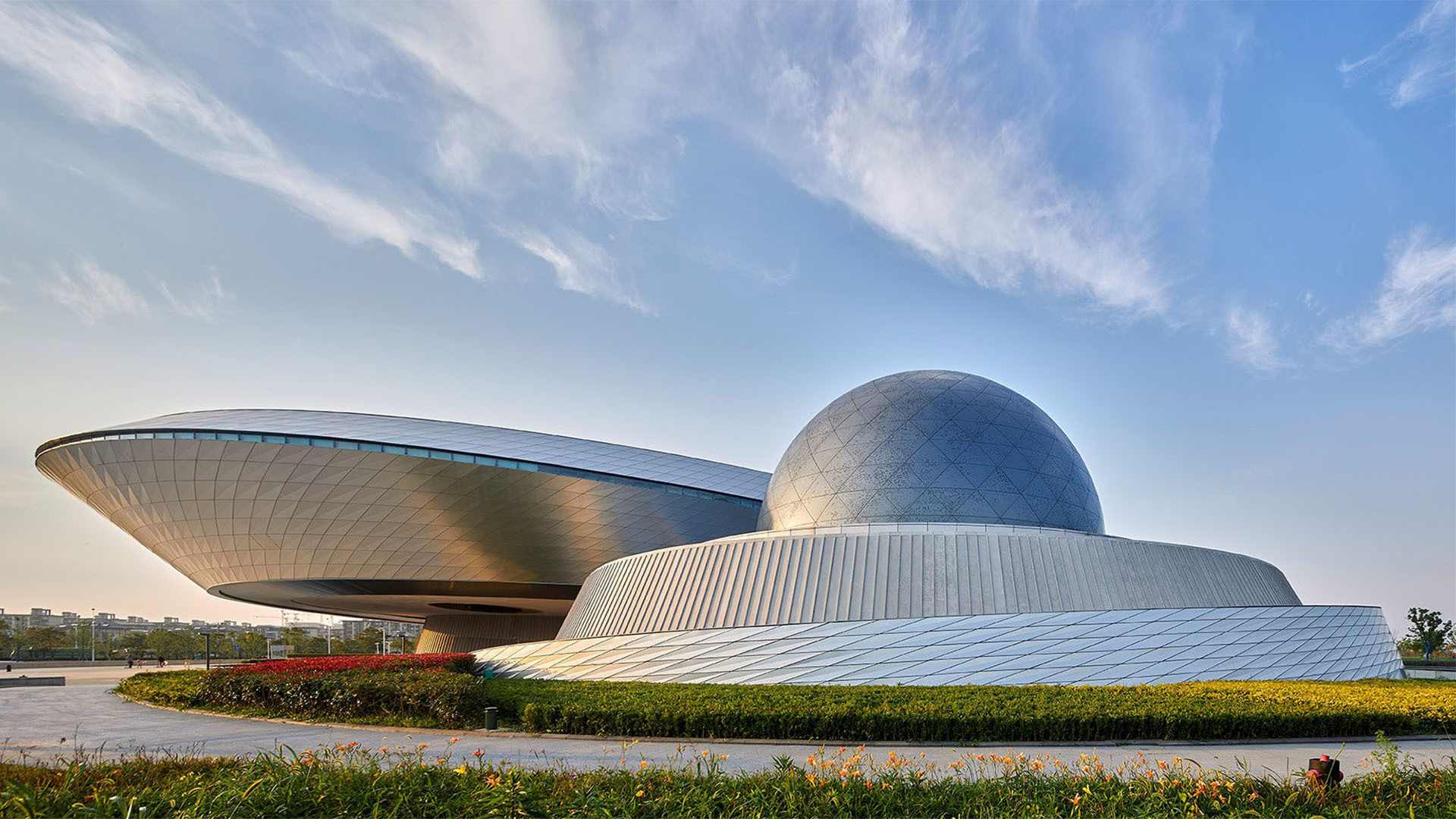
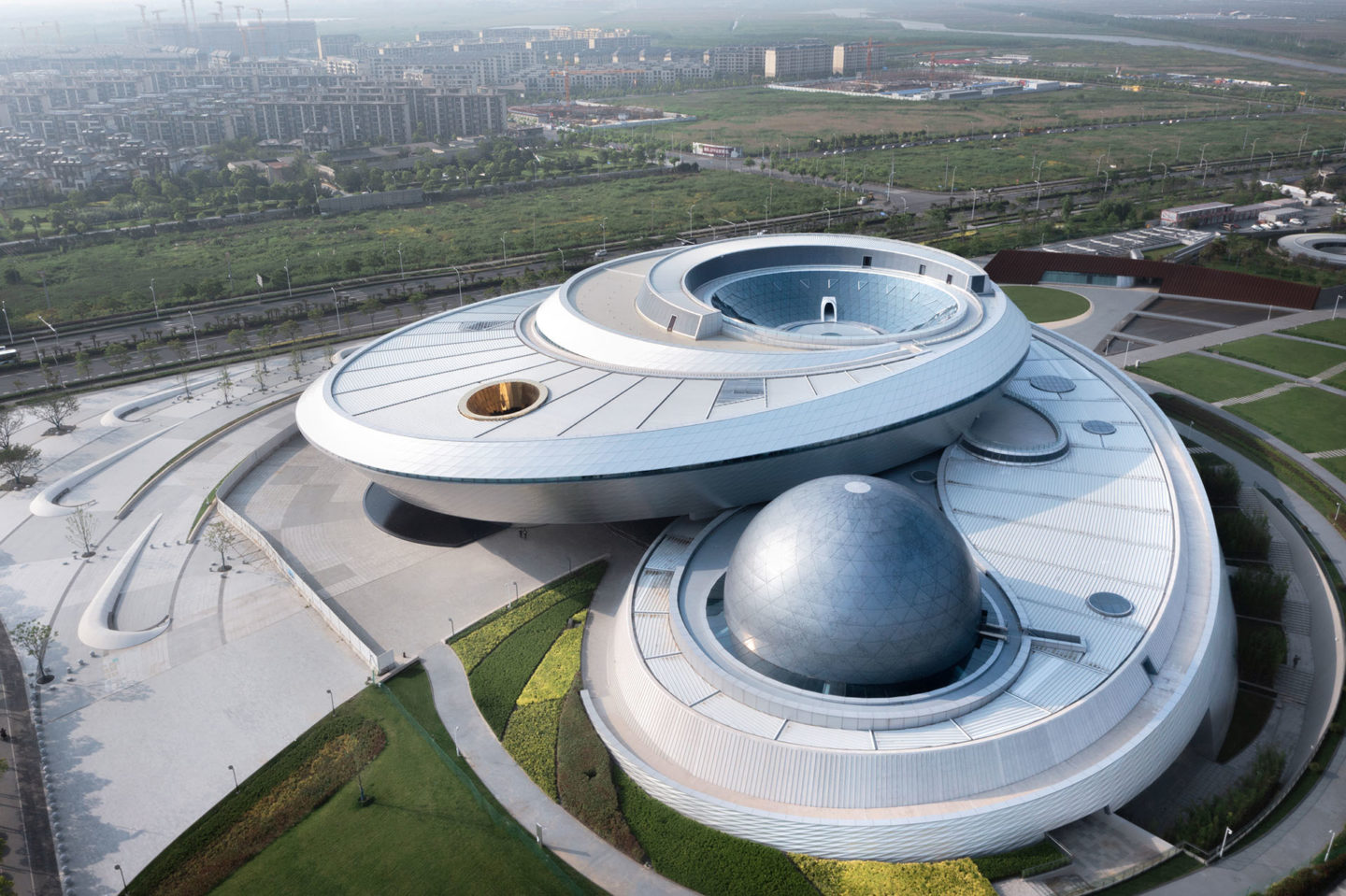
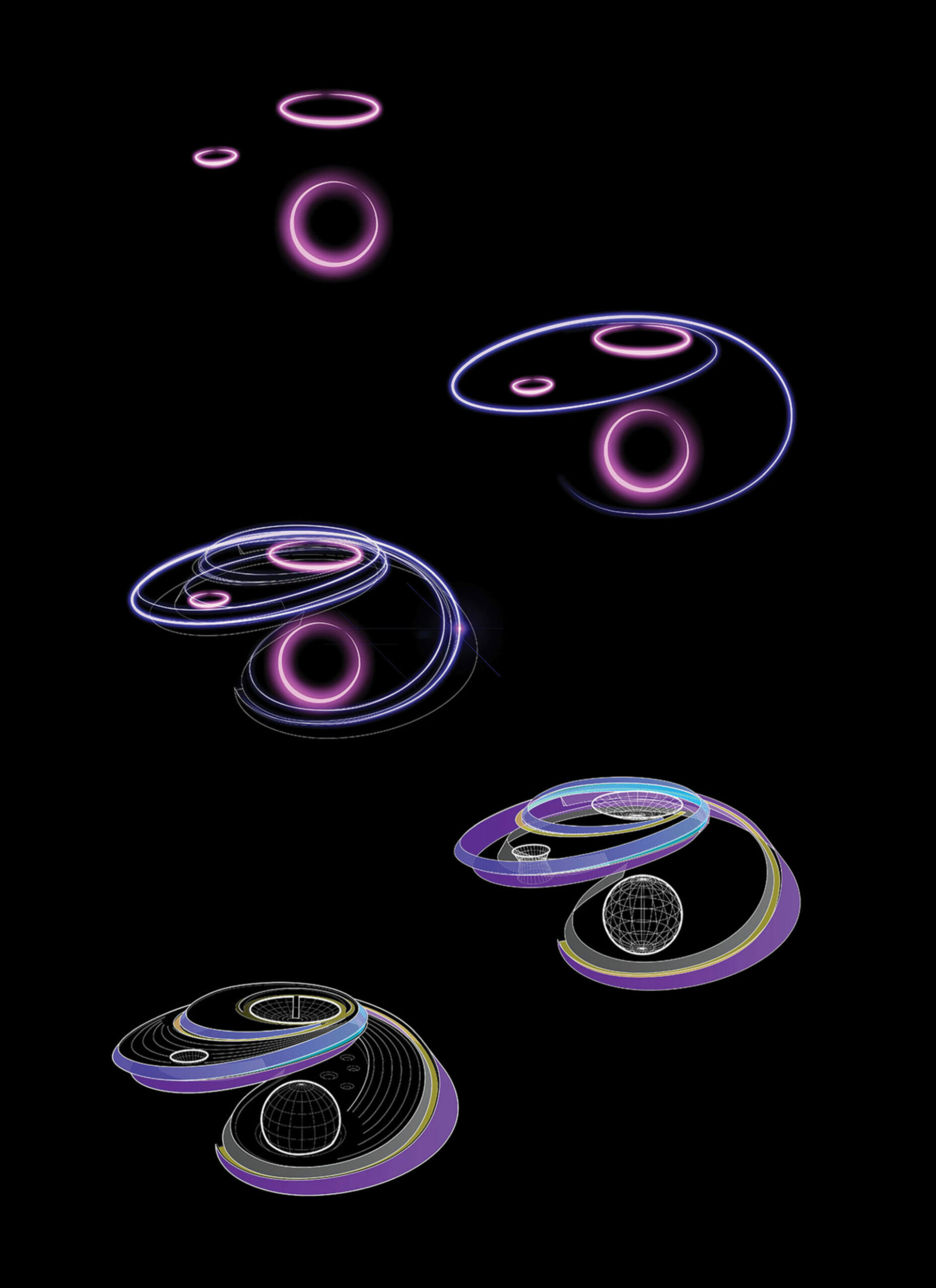
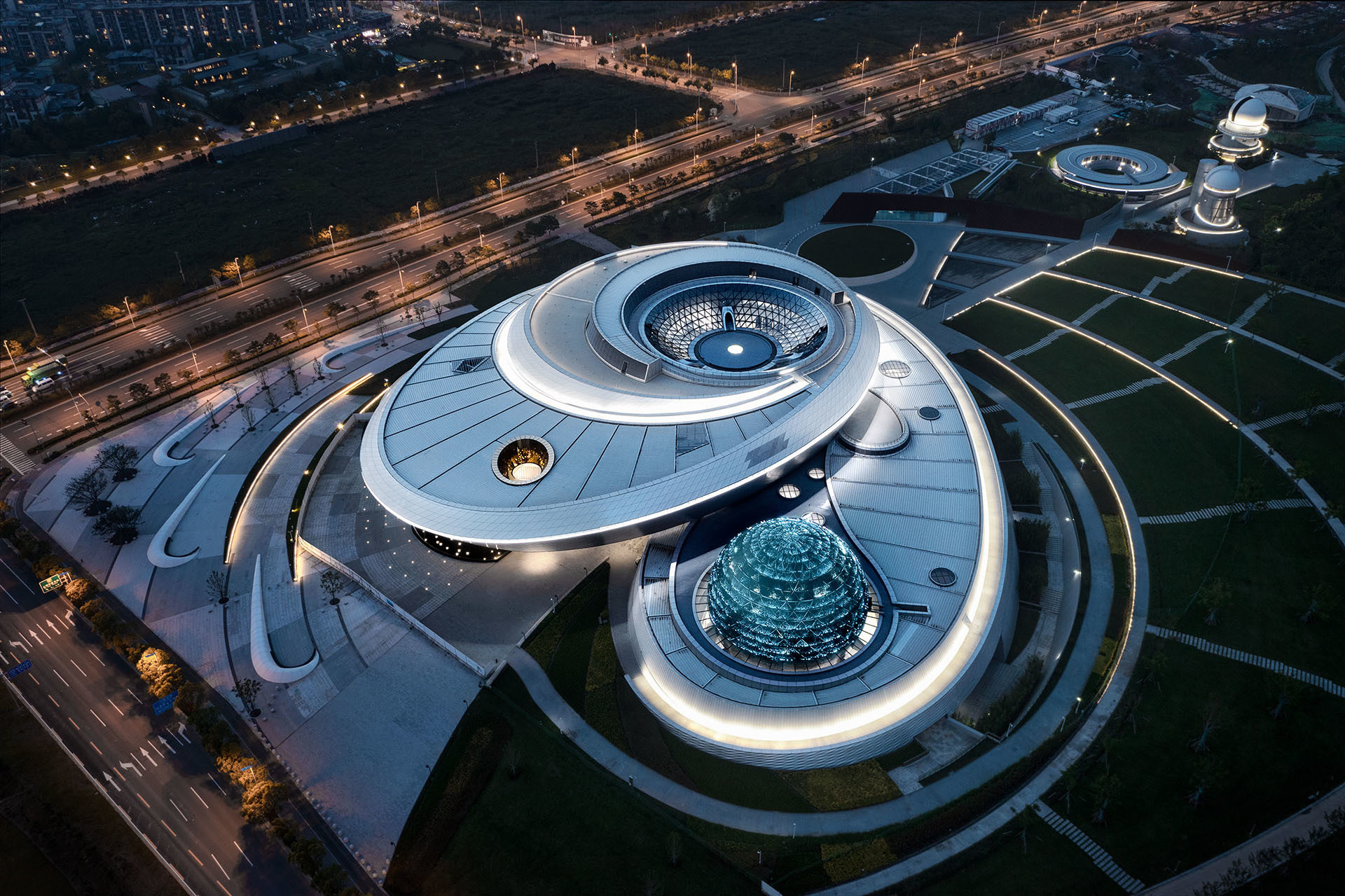
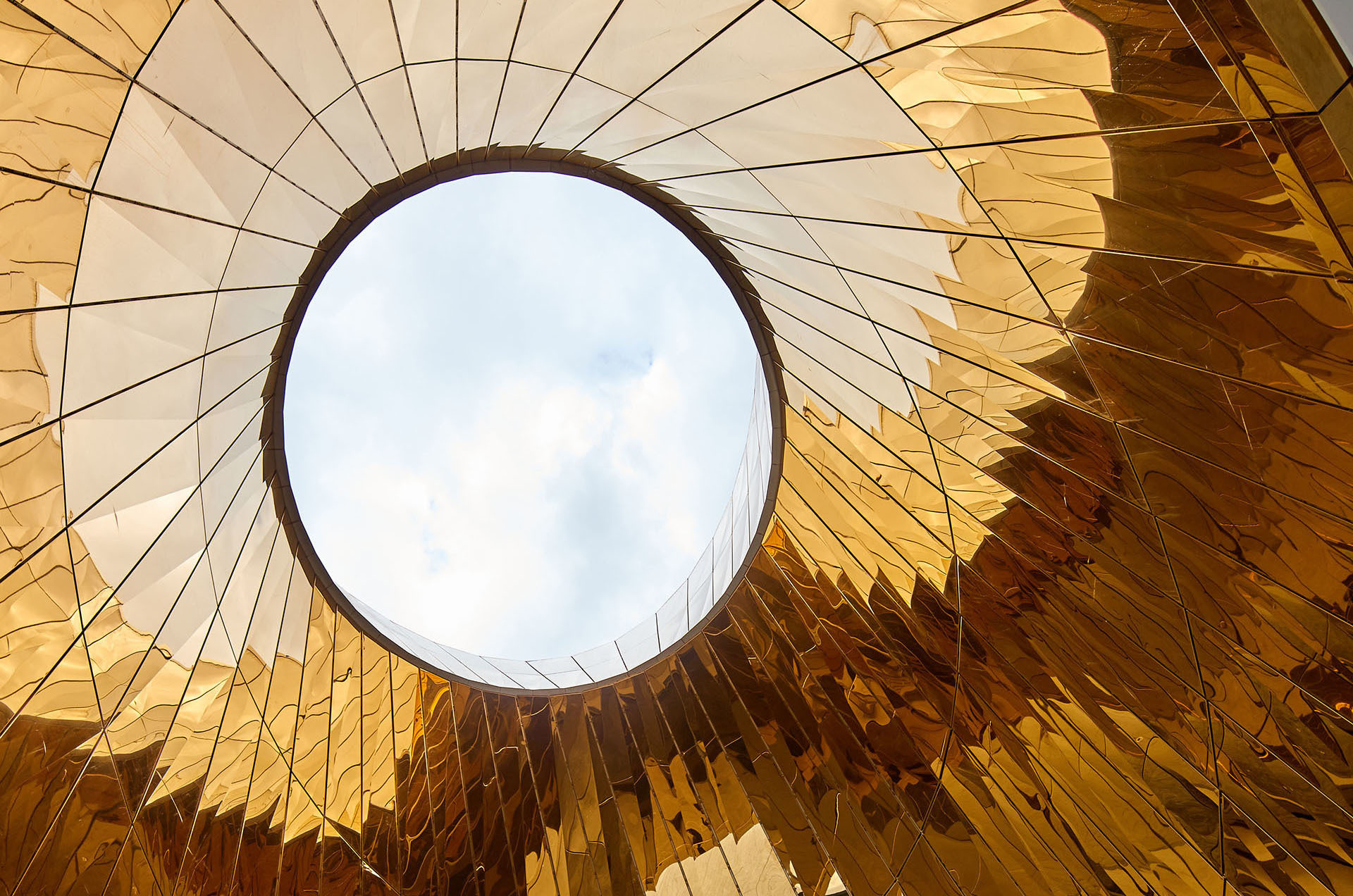
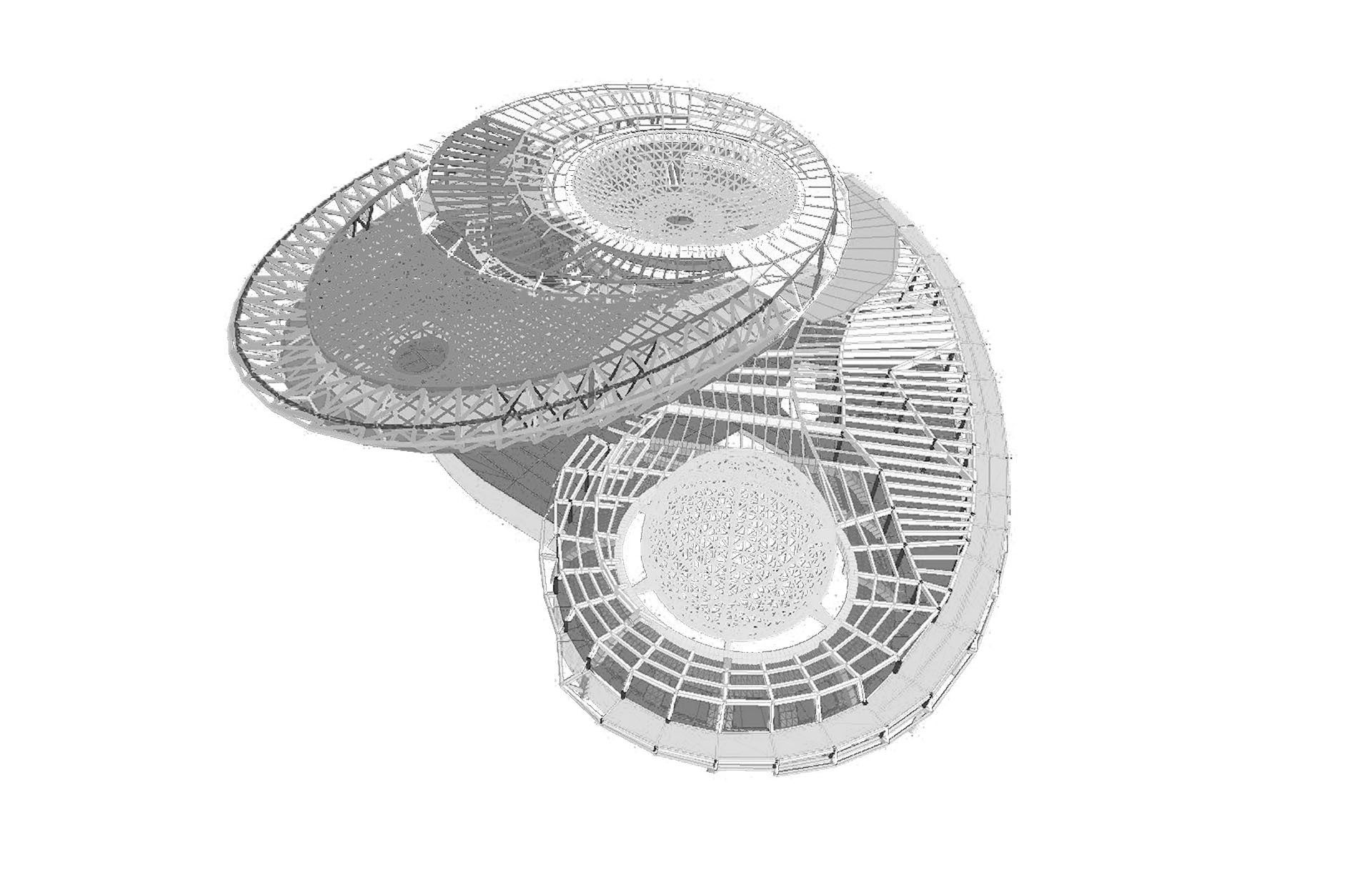
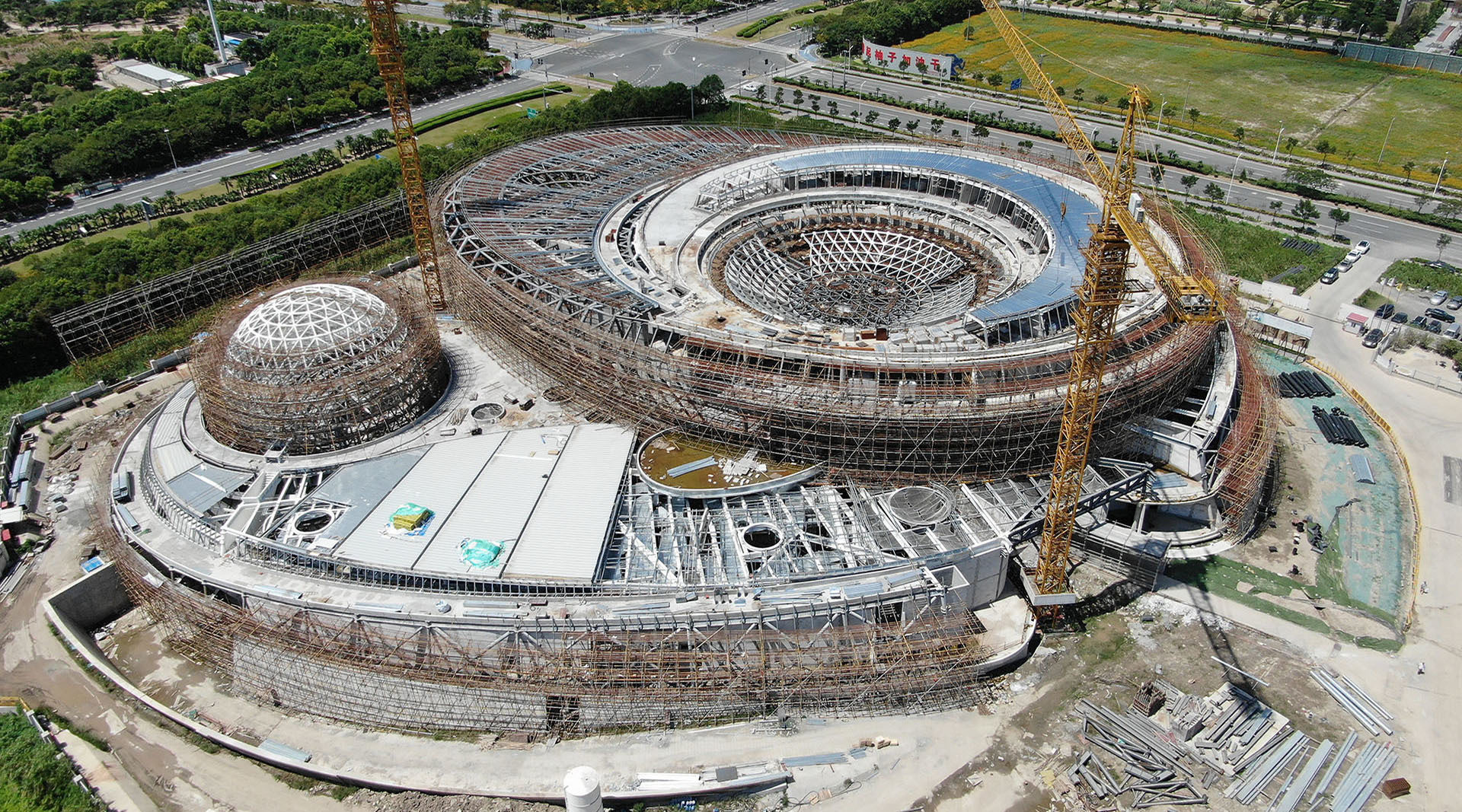
Drawing inspiration from astronomical principles, the design invokes the experience of orbital motion. Each of the building’s three principal forms – the Oculus, the Inverted Dome and the Sphere – act as functioning astronomical instruments, tracking the sun, moon, and stars and reminding visitors that our conception of time originates in distant astronomical objects.
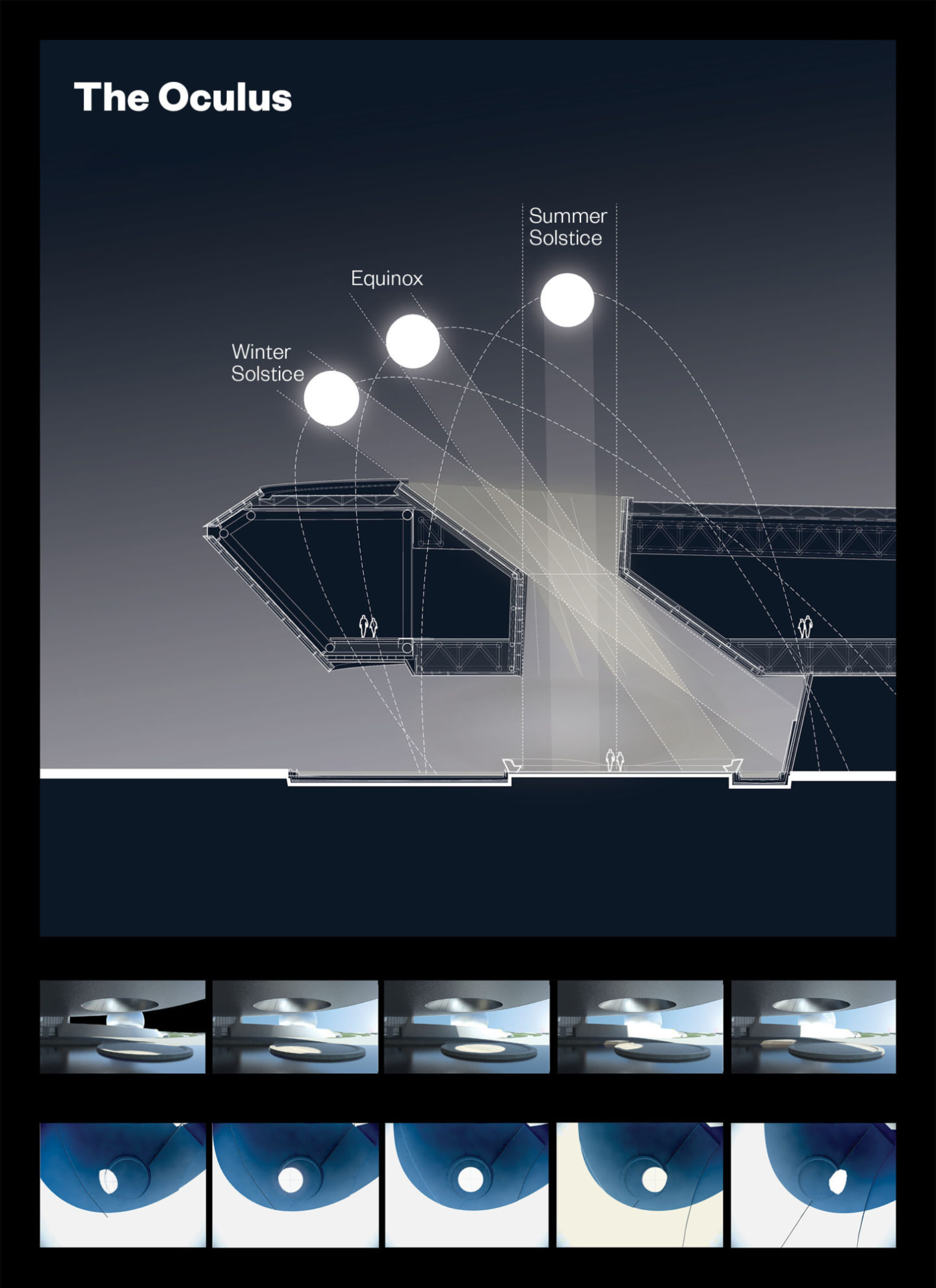
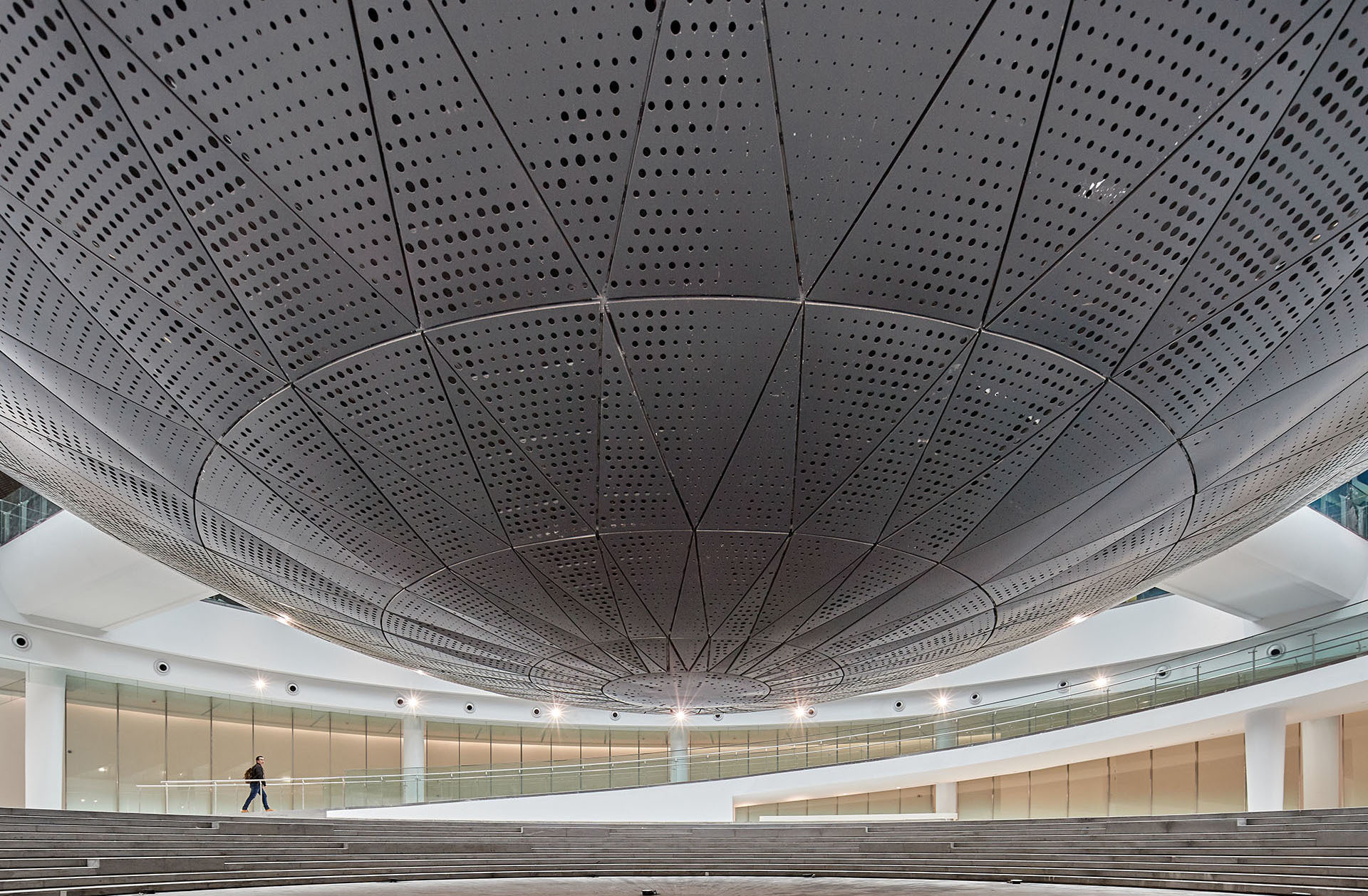
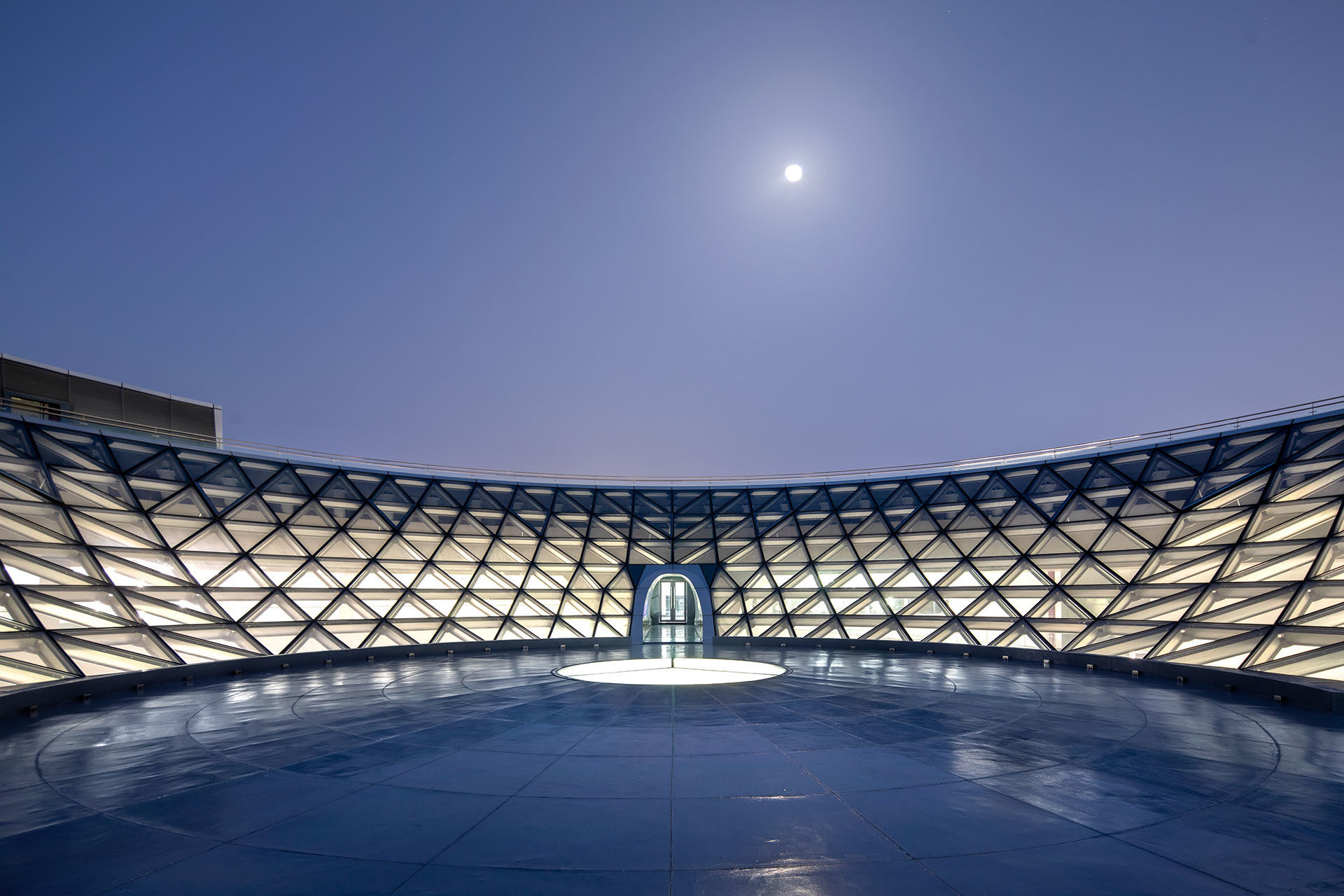
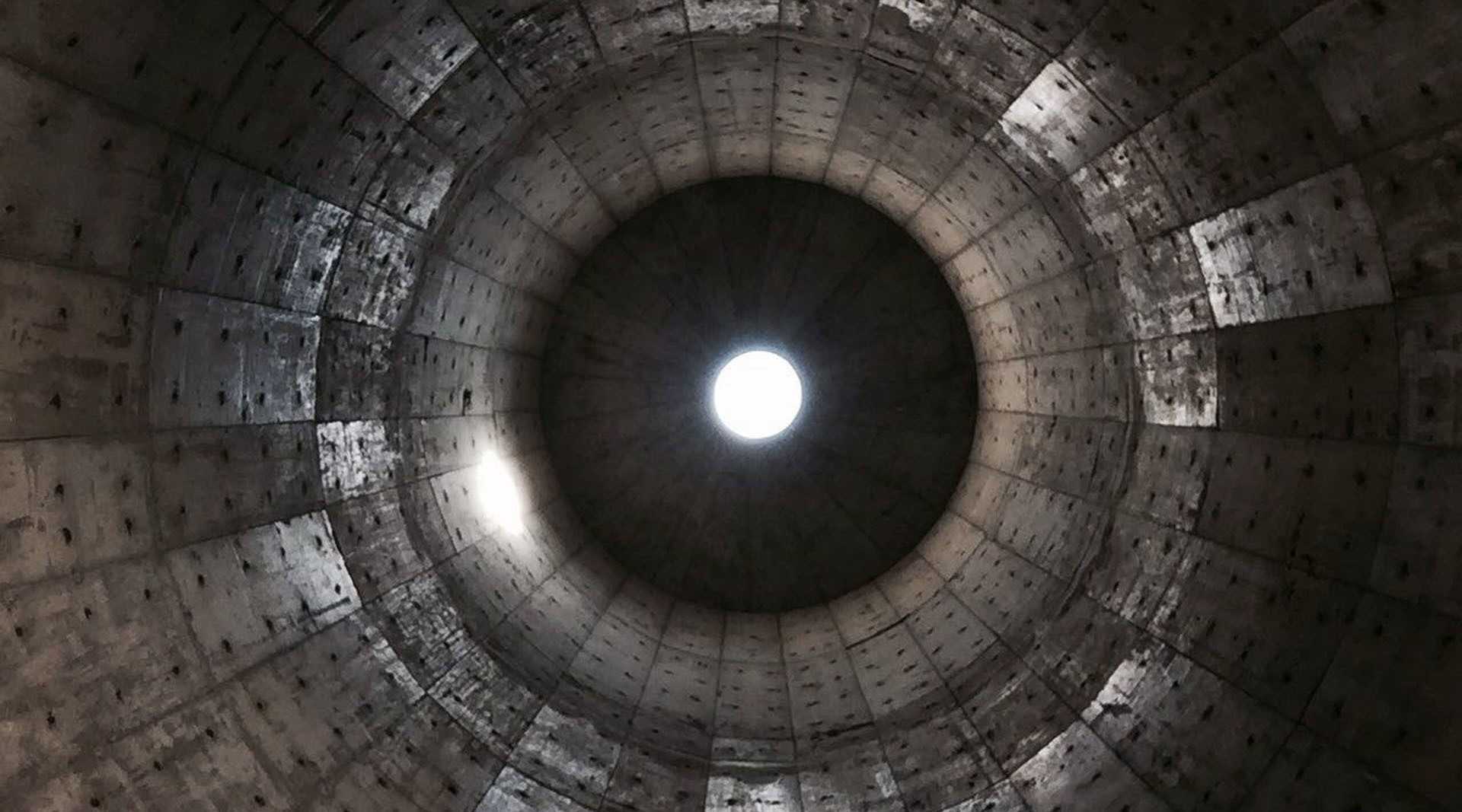
The Oculus, suspended above the main entry to the Museum, demonstrates the passage of time by tracking a circle of sunlight on the ground across the entry plaza and reflecting pool. At noon during the summer solstice, there is a full circle, which aligns with a circular platform within the Museum’s entry plaza. The Oculus creates a veritable time piece in the civic square.
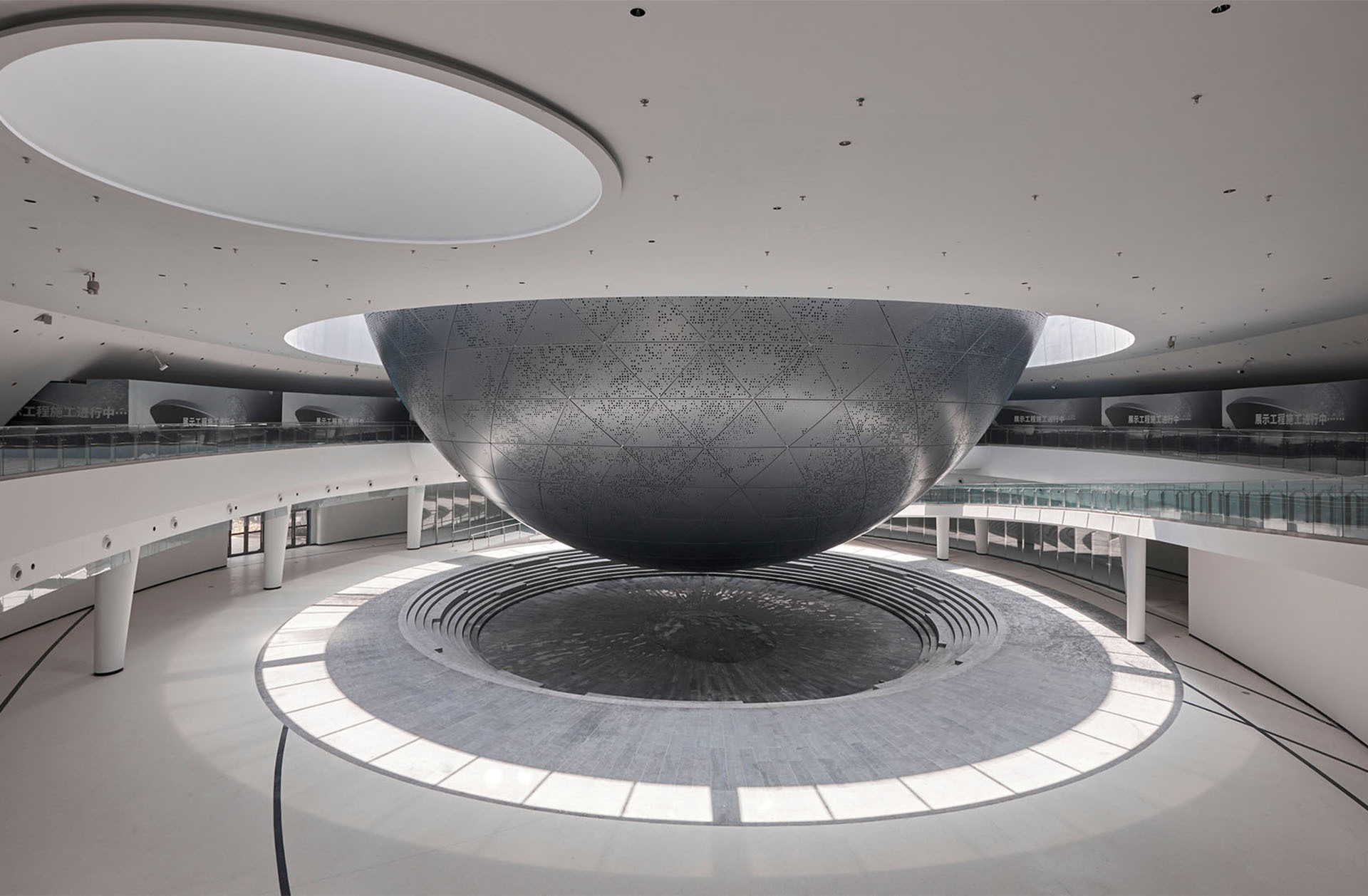
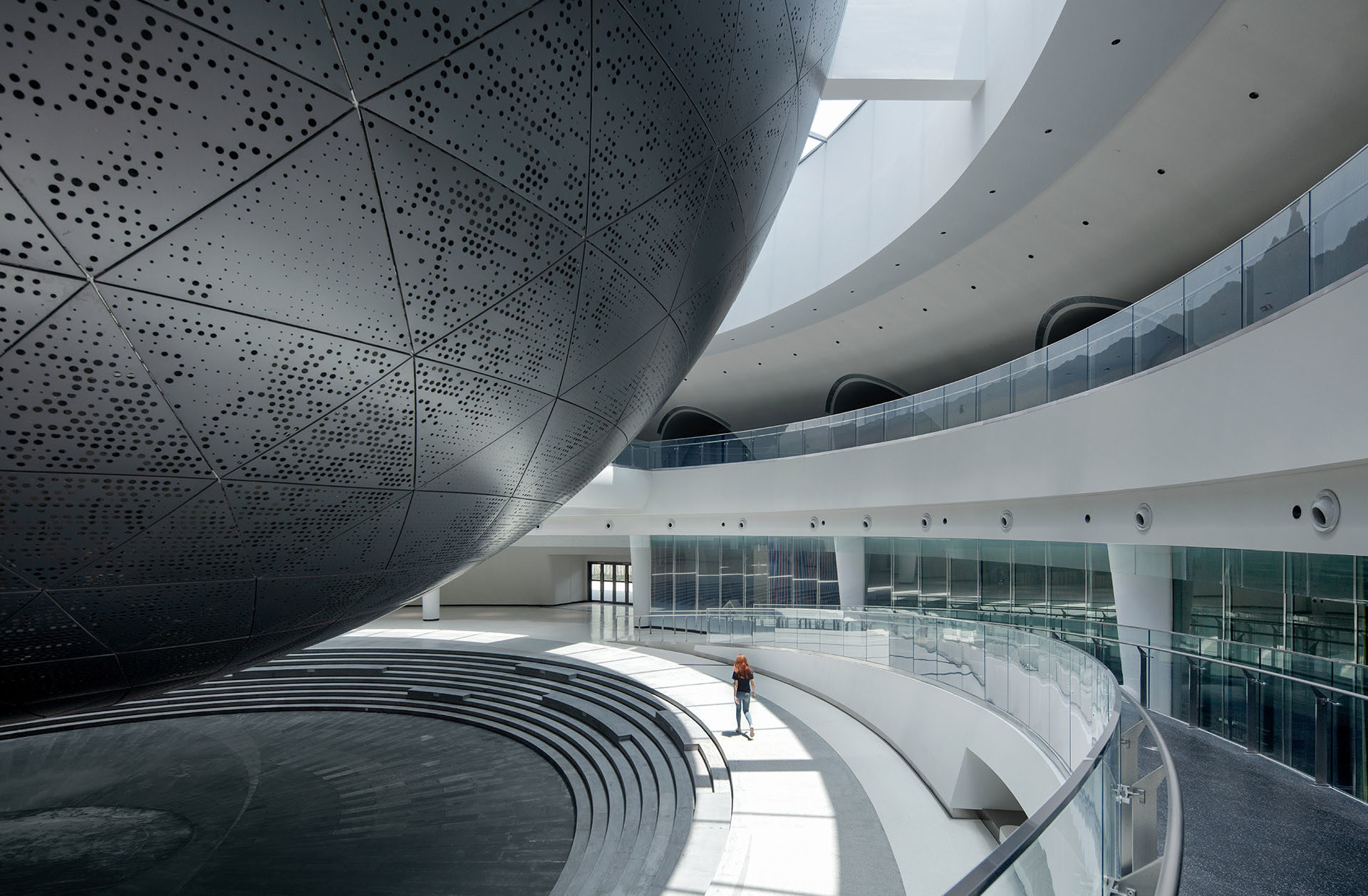
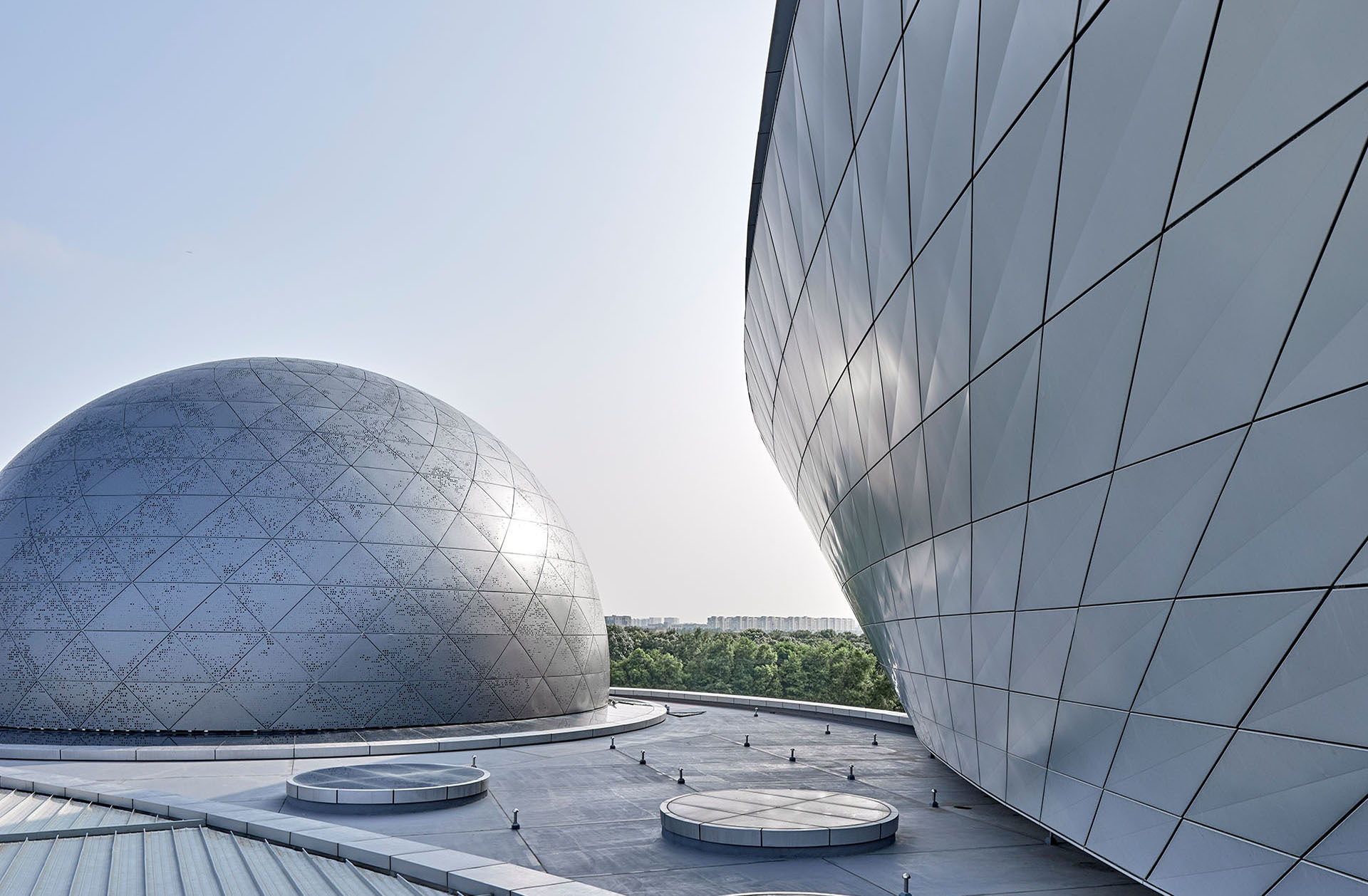
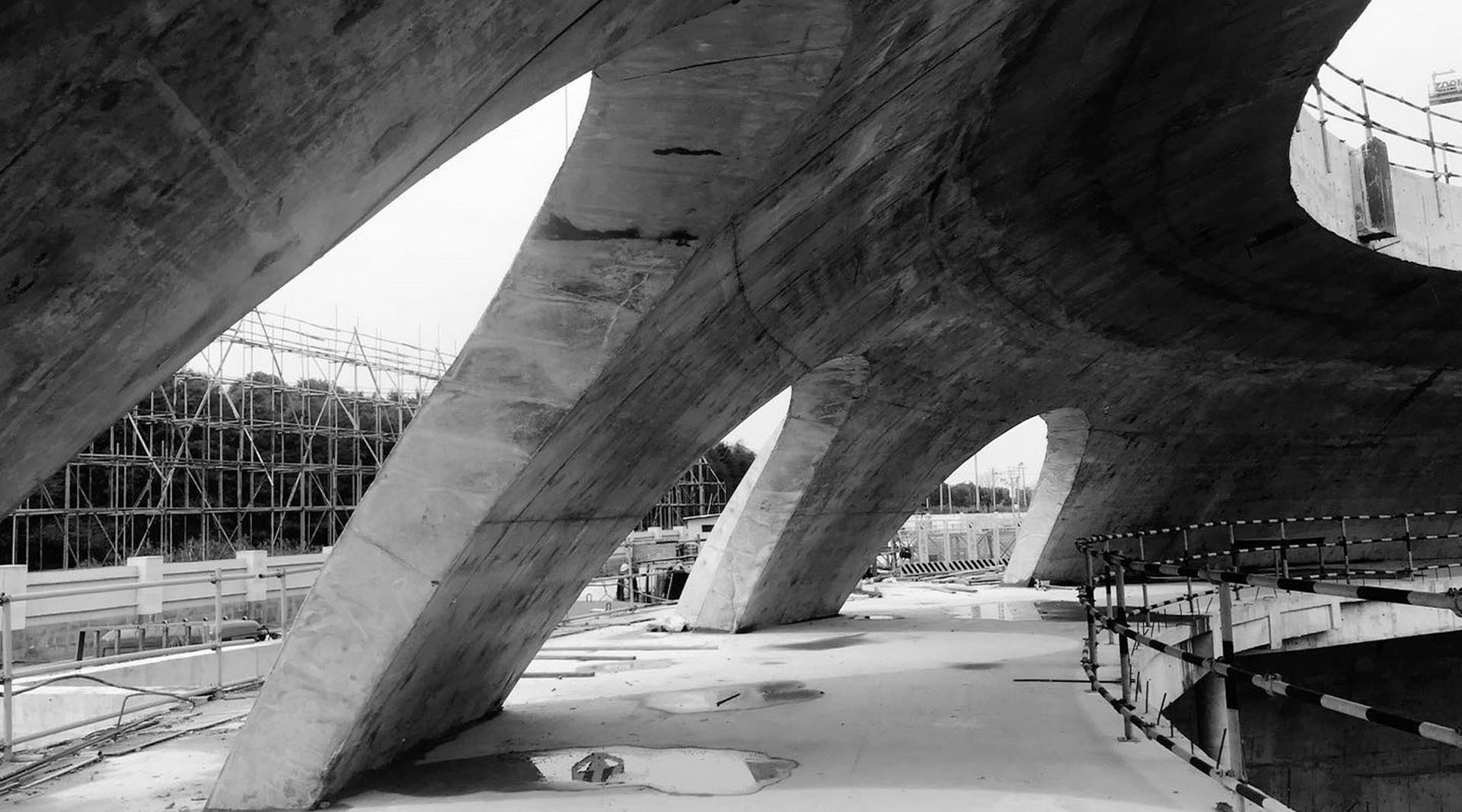
The Sphere houses the planetarium theater, which is half submerged in the building. With minimal visible support, it evokes an illusion of weightlessness or anti-gravity. The pure spherical form references the primordial shapes in our universe and, like the orientation we yield from our position relative to the sun or moon, becomes an ever-present reference point for the visitor. The Sphere derives its shape not only from the requirements of the programmatic element it contains, but as an abstract manifestation of a primary celestial form. Embedded in the roof plane of the lower Museum wing, as if rising out of the Earth-bound horizon, the sphere gradually emerges into view as one rounds the building, the drama unfolding as though one were approaching a planet from one of its moons, allowing visitors to experience it as a weightless mass from below.
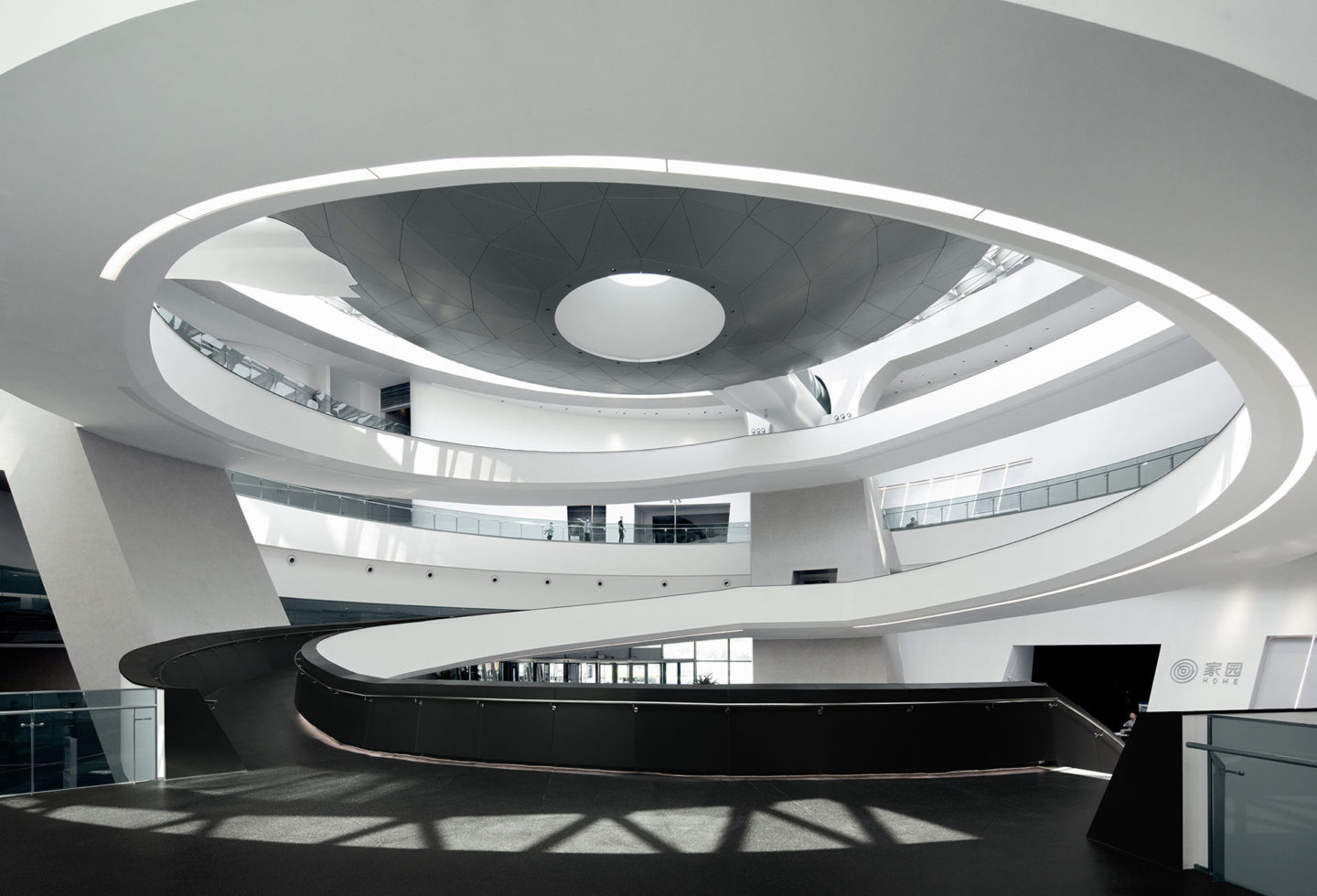
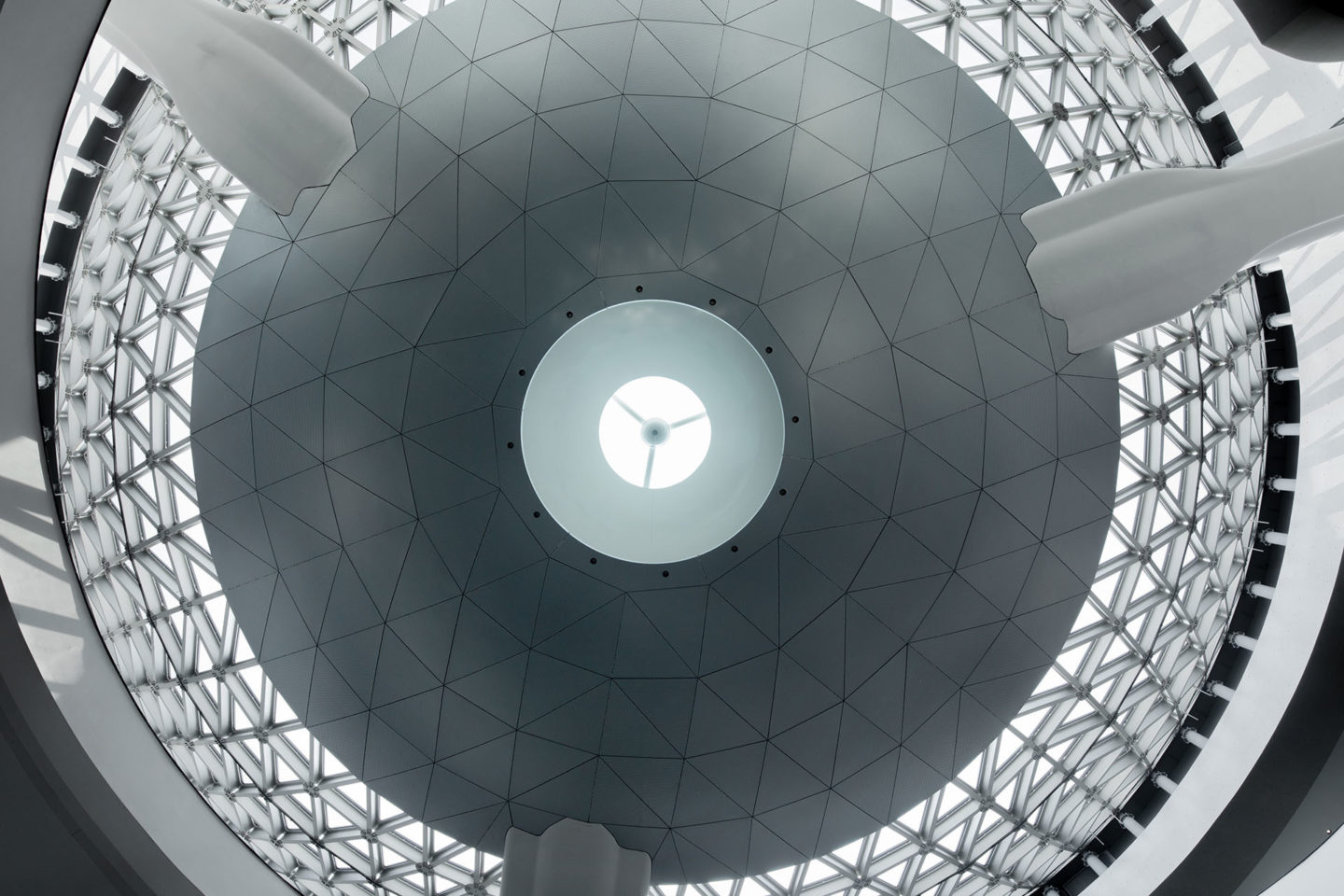
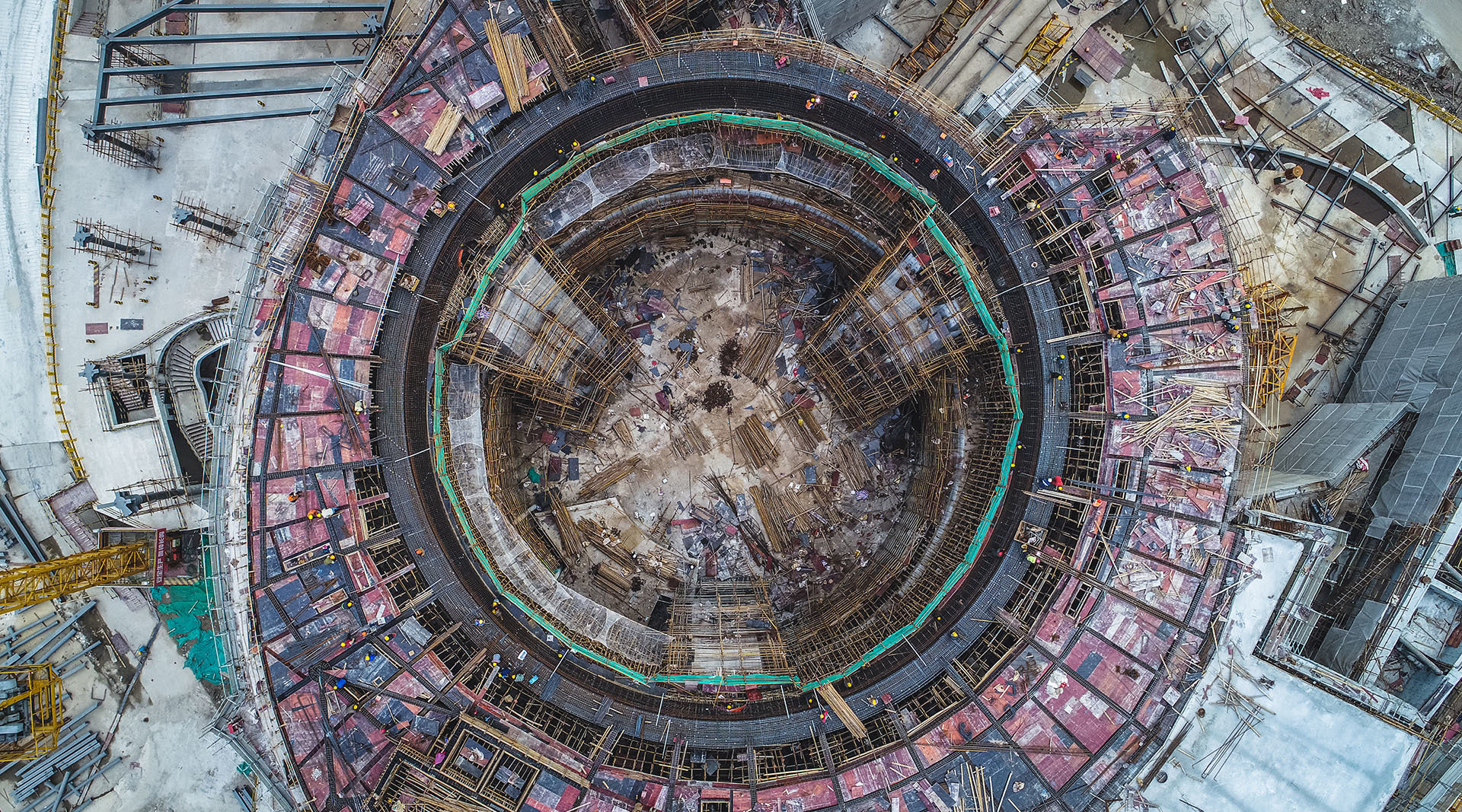
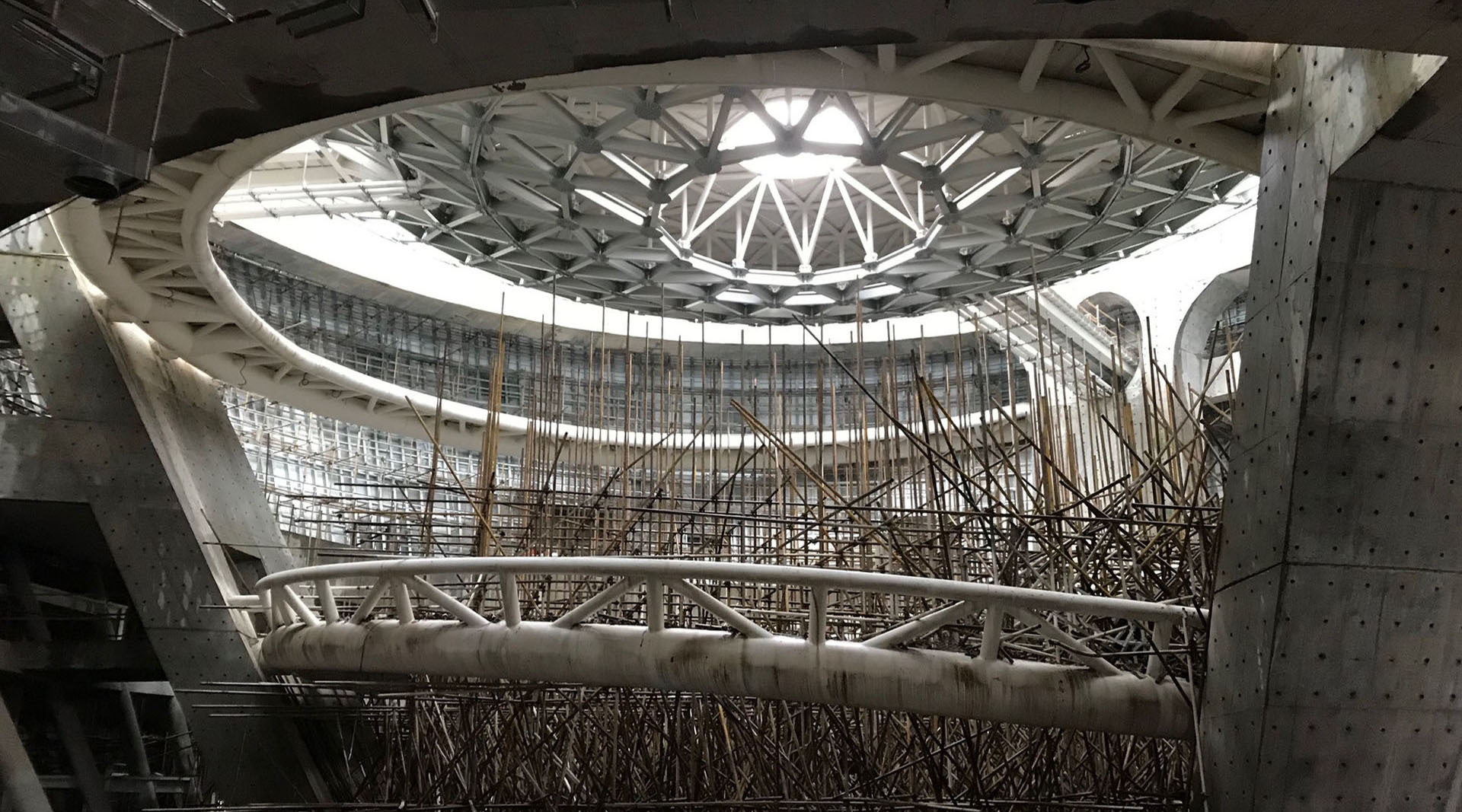
The Inverted Dome is a large inverted glass tension structure which sits on top of the central atrium of the building at the roof line so visitors can occupy the center of the glass dish with an unimpeded view of the sky. The culmination of the exhibit journey, this space cuts the view of the horizon and adjacent urban context, and focuses the visitor on the all-encompassing sky – a real encounter with the universe to conclude the simulated experience within. The 720-degree spiraling ramp inside the Museum and underneath the Inverted Dome traces the orbital flow of the visitor sequence throughout the Museum exhibits and launches the eye upward to its apex.
While elevating the scientific and technological capabilities of the Shanghai Science and Technology Museum and serving as a Museum for heightening universal perspective, the Shanghai Astronomy Museum creates a landmark structure and civic hub within the developing Lingang area.
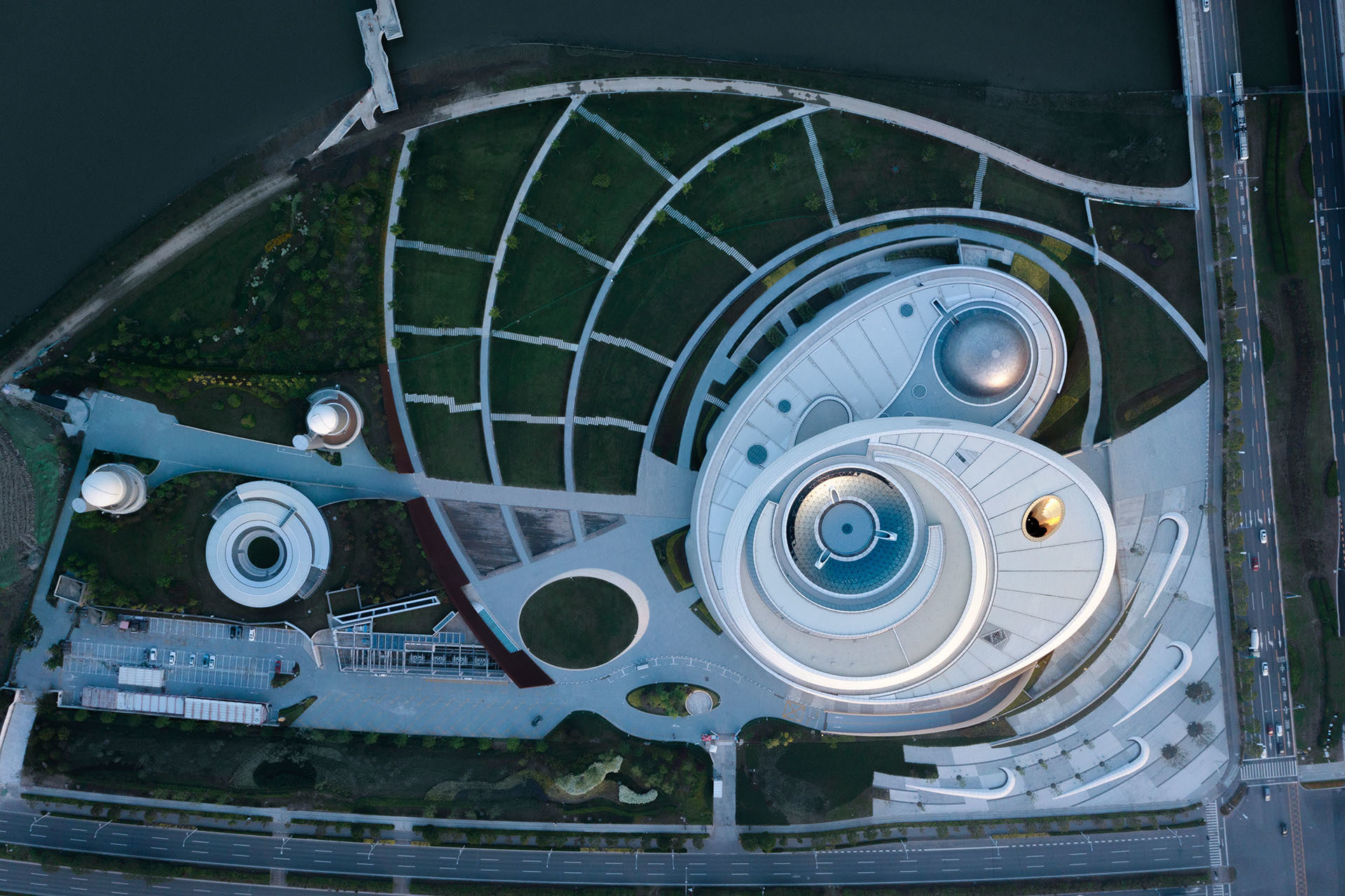
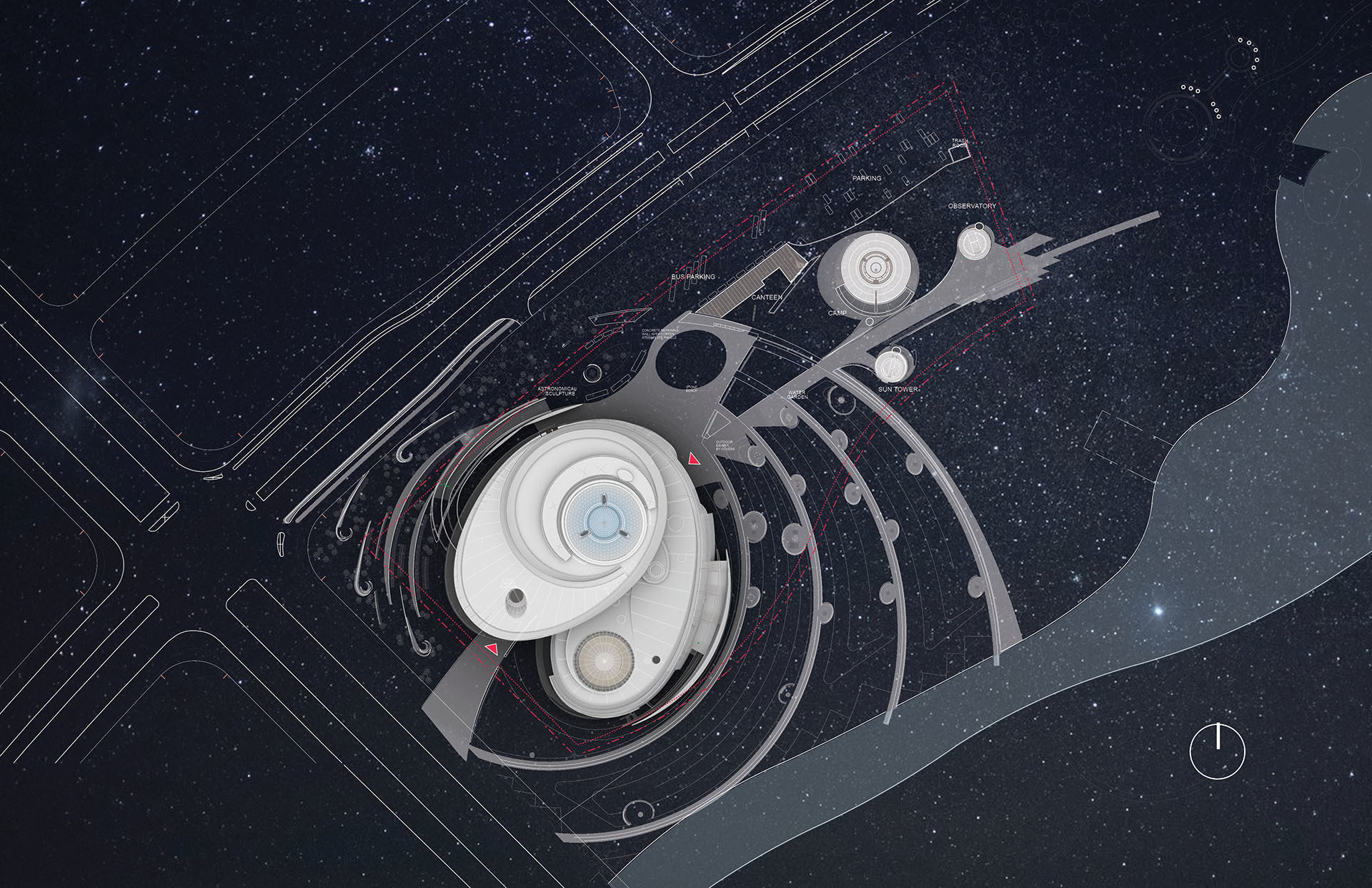
Set within an expansive green zone, the Museum grounds include a host of buildings and programming including temporary and permanent exhibits, a 78-foot solar telescope, an observatory, an optical Planetarium, Education and Research Center, and Digital Sky Theater. Programming at the Museum will feature immersive environments, artifacts and instruments of space exploration, and educational exhibitry.